
Theodore Roosevelt National Park
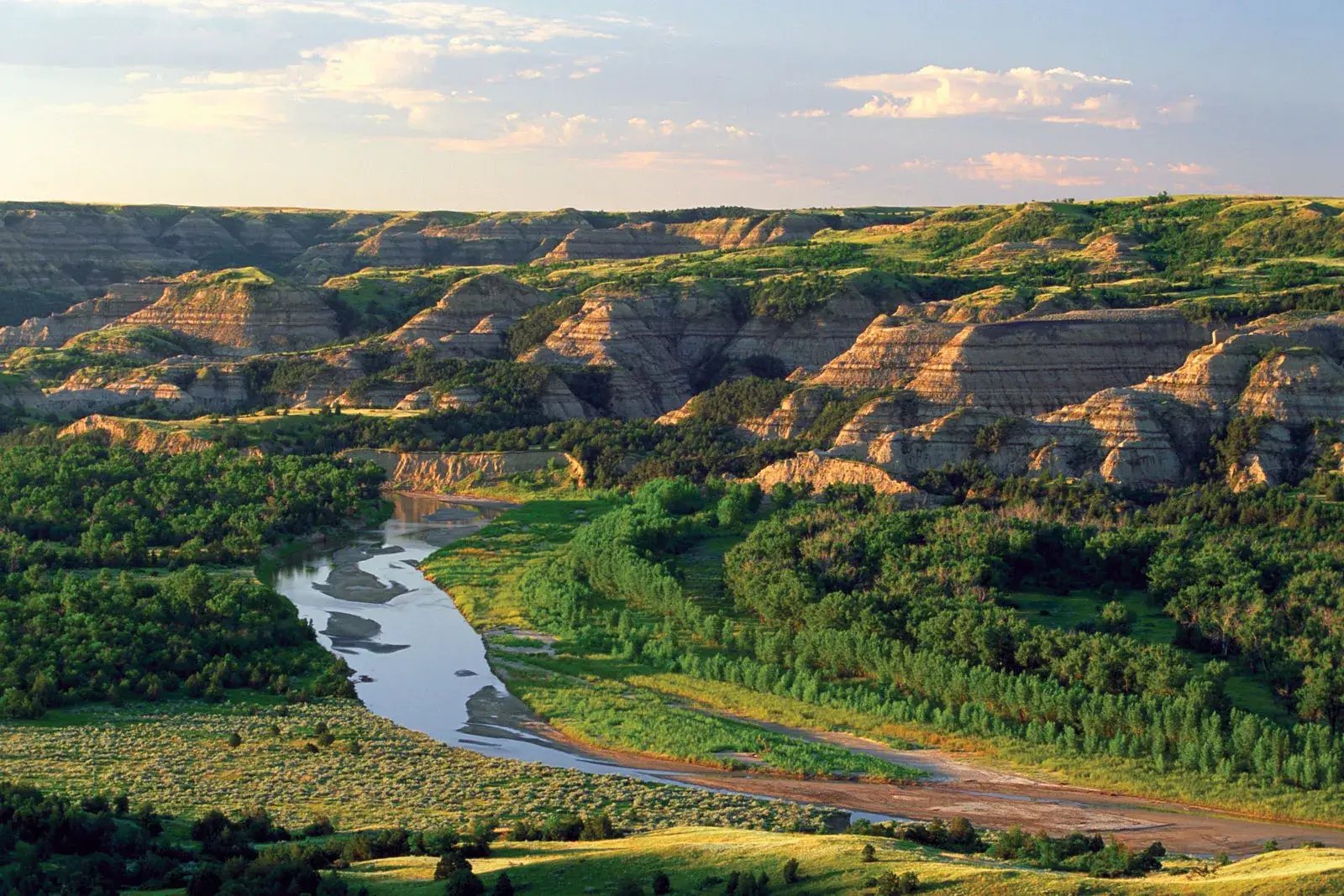
Theodore Roosevelt National Park is a 70,000-acre national park in western North Dakota known for its rolling prairies, rugged badlands, and diverse wildlife. Hiking, camping, and wildlife watching are popular activities in the park, which is also a popular destination for those interested in the history and legacy of its namesake, President Theodore Roosevelt.
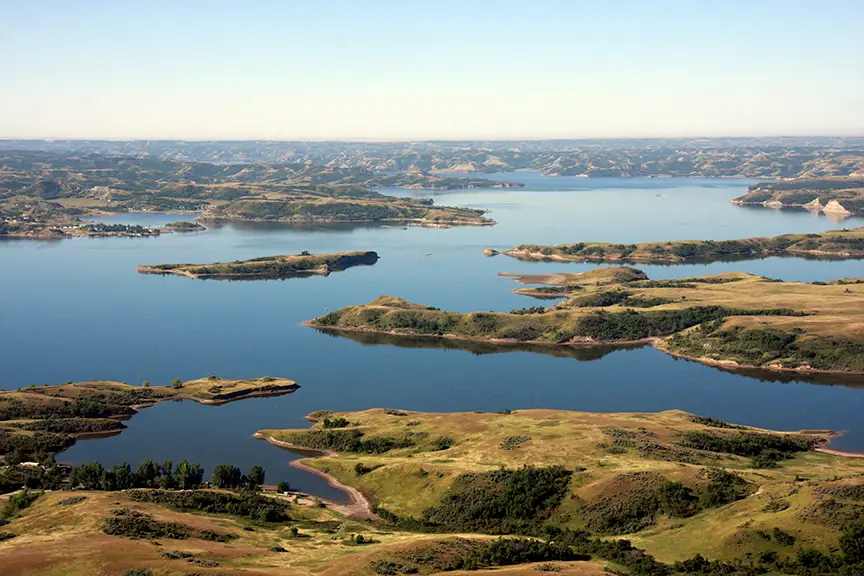
Lake Sakakawea
Lake Sakakawea is a large reservoir located in western North Dakota. It offers a range of recreational activities, including fishing, boating, and hiking. The lake is surrounded by scenic rolling hills and is popular among outdoor enthusiasts and nature lovers. Visitors can also enjoy stunning views of the Missouri River and the surrounding landscape.
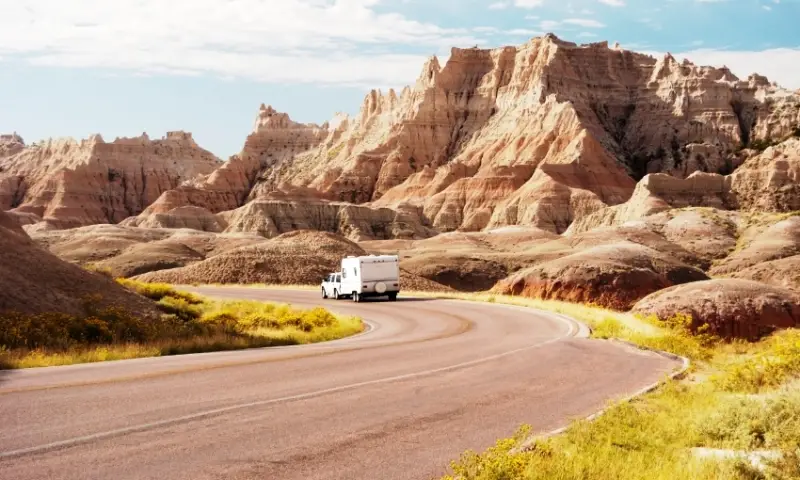
Badlands Loop
The Badlands Loop is a scenic drive through the rugged badlands of western North Dakota. It offers breathtaking views of the unique geological formations and diverse wildlife, including bighorn sheep, pronghorns, and rattlesnakes. The drive is approximately 36 miles long and takes visitors through some of the most stunning landscapes in North Dakota. It's a popular destination for nature lovers, photographers, and those seeking an outdoor adventure.
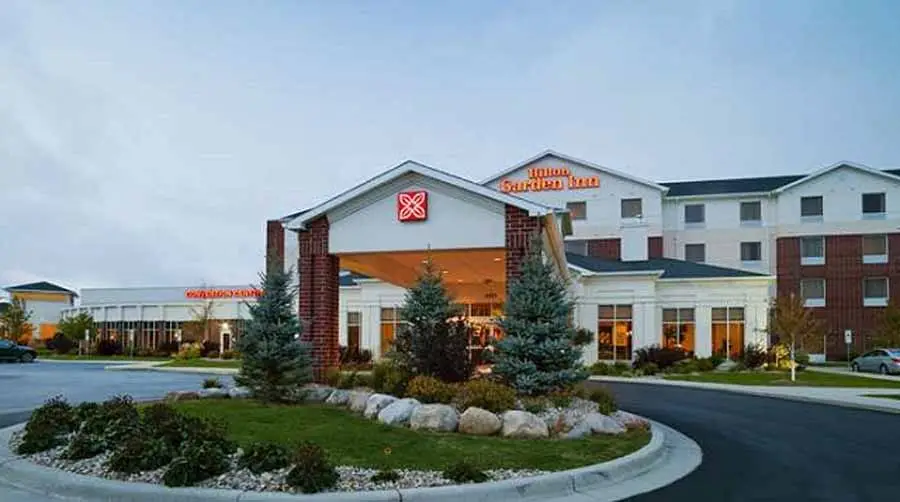
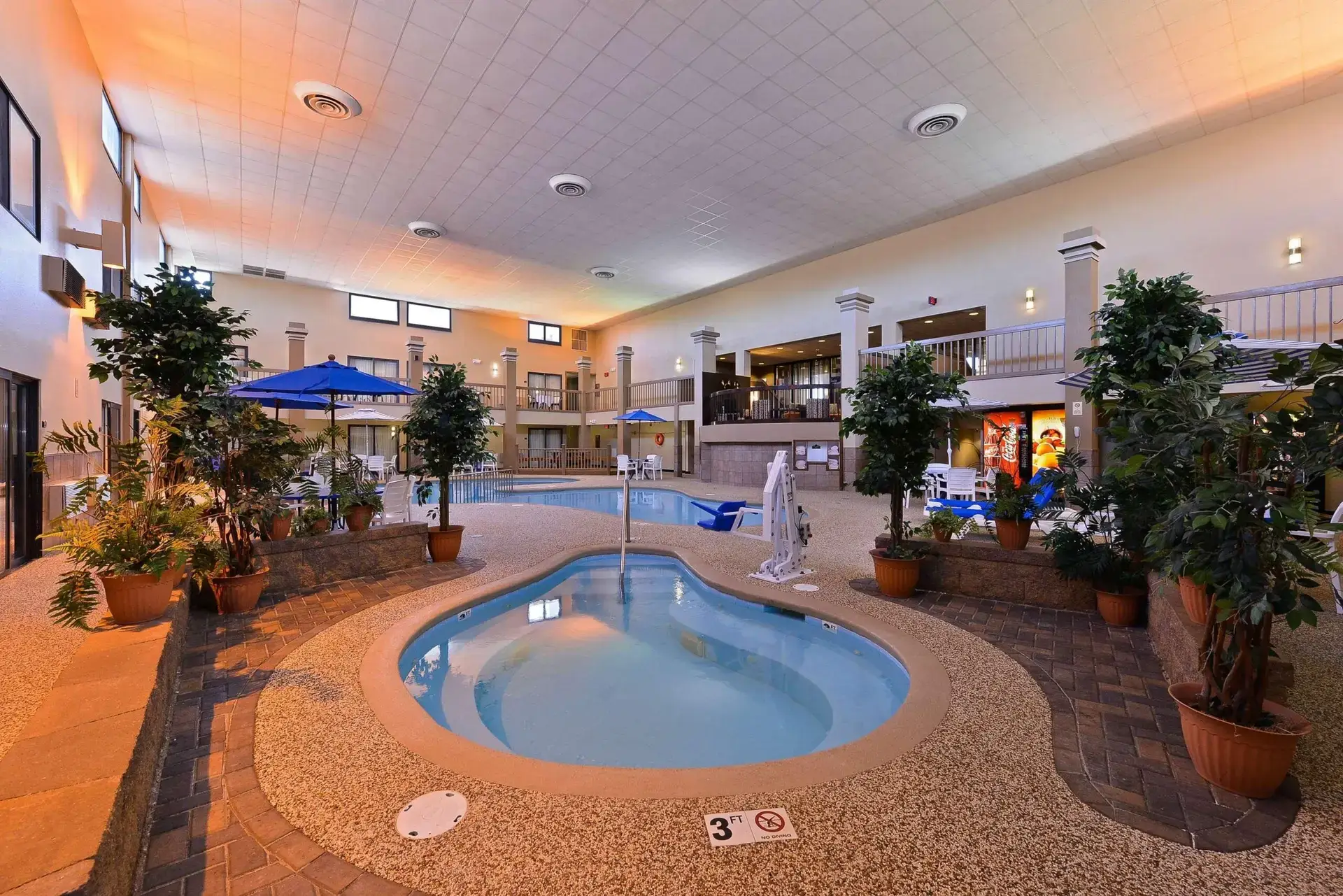
Hilton Garden Inn Fargo
A modern hotel located in the heart of Fargo, offering stylish rooms and a variety of on-site amenities, including a restaurant, fitness center, and indoor pool.
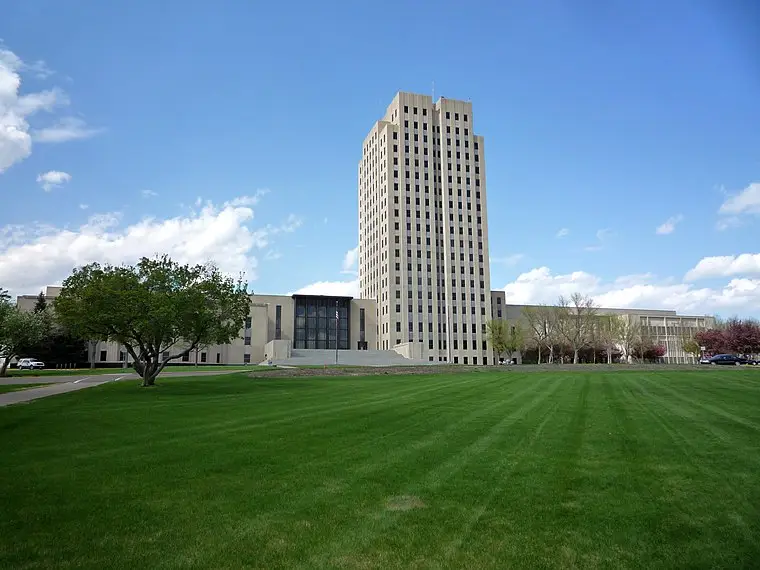
Grand Hotel Minot
A historic hotel in Minot, offering elegant rooms and suites with traditional decor, as well as on-site dining and a fitness center.
Ramada by Wyndham Bismarck
A comfortable and convenient hotel located in the heart of Bismarck, offering spacious rooms, a fitness center, and a restaurant serving a variety of delicious cuisine.
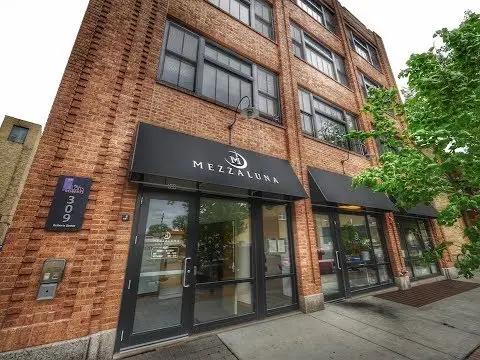
Mezzaluna
An upscale Italian restaurant in Fargo, known for its delicious cuisine, elegant atmosphere, and attentive service.
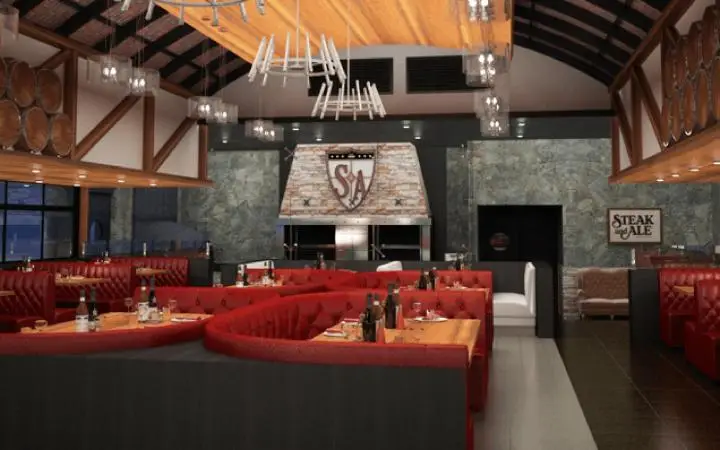
Dru Hall Kitchen & Bar:
A popular restaurant in Grand Forks, serving a variety of creative dishes made with locally sourced ingredients, as well as an extensive selection of craft beers and cocktails.
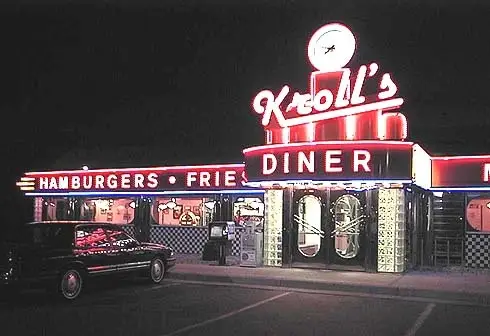
Kroll's Diner
A classic diner in Bismarck, offering a menu of delicious comfort food and classic American dishes, served in a cozy, retro setting.