

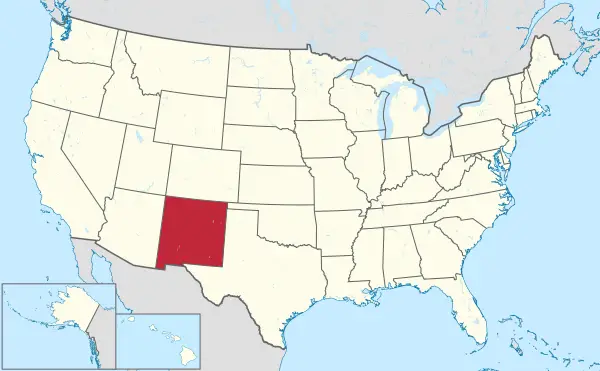

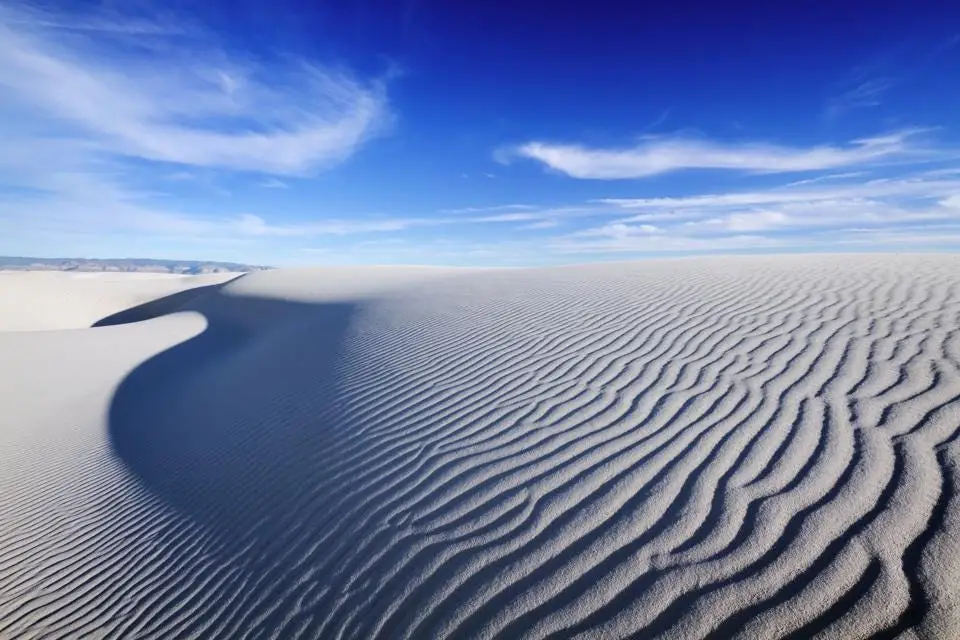
White Sands National Park
White Sands National Park is a unique landscape of brilliant white sand dunes that stretch for miles across the desert. Visitors can enjoy activities such as hiking, picnicking, and sand sledding.
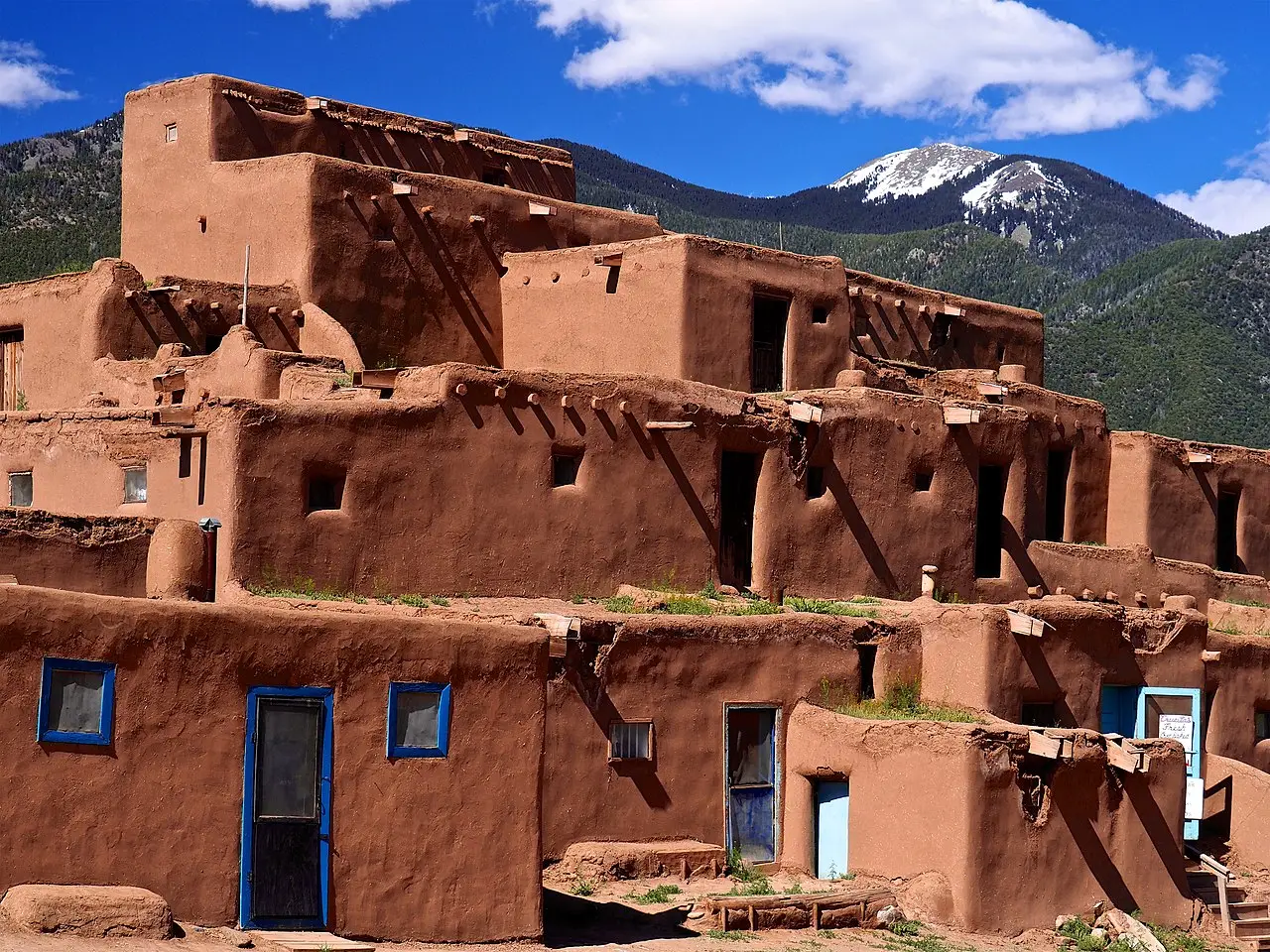
Taos Pueblo
Taos Pueblo is an ancient Native American village that has been continuously inhabited for over 1,000 years. The pueblo is known for its beautiful adobe architecture and is considered a spiritual center for the Taos tribe.
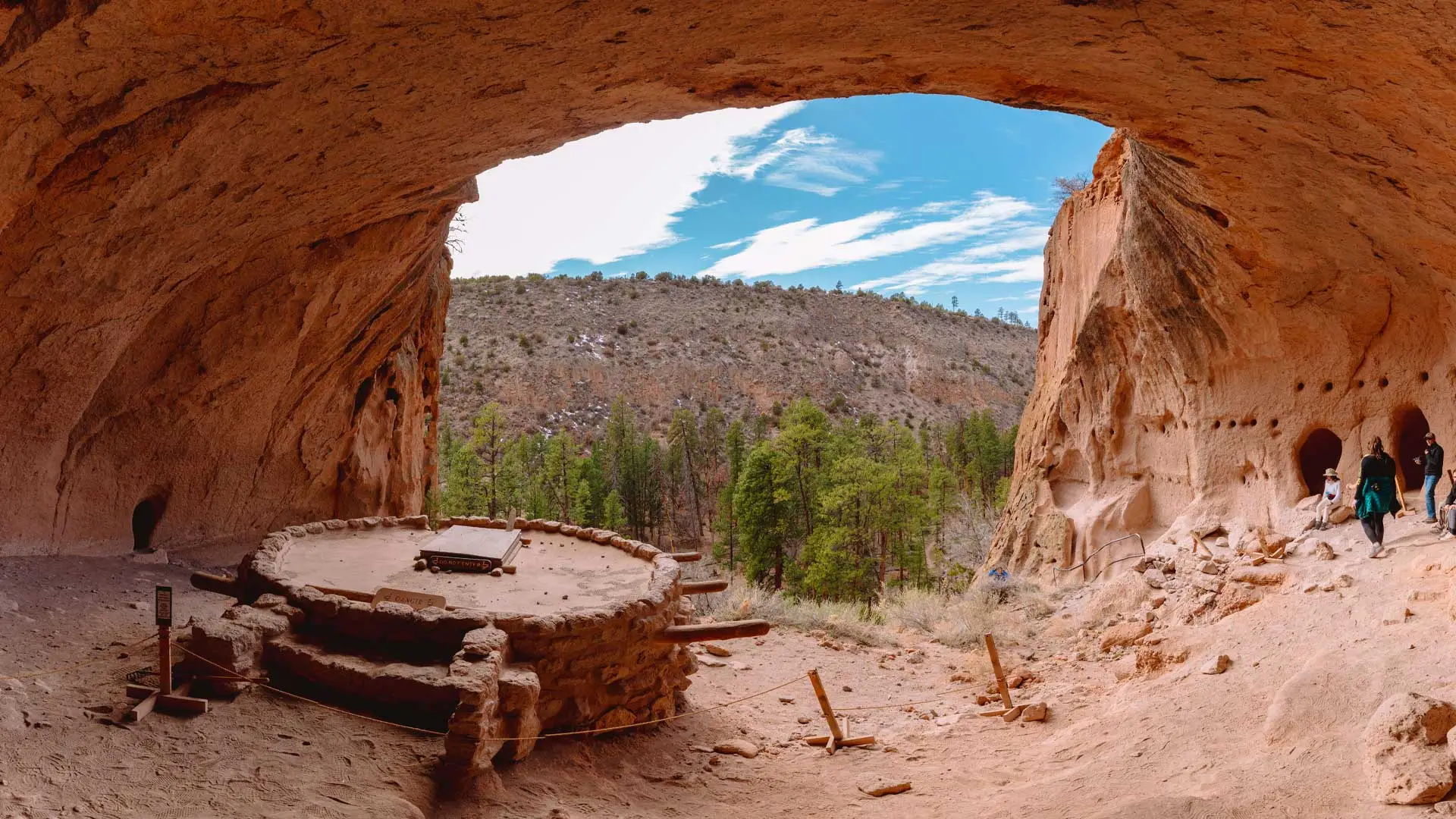
Bandelier National Monument
Bandelier National Monument is a stunning park filled with towering cliffs and scenic canyons. The park is home to ancient Native American cliff dwellings and petroglyphs, making it a rich cultural and historical site. Visitors can hike, camp, and explore the park's many trails and ruins.
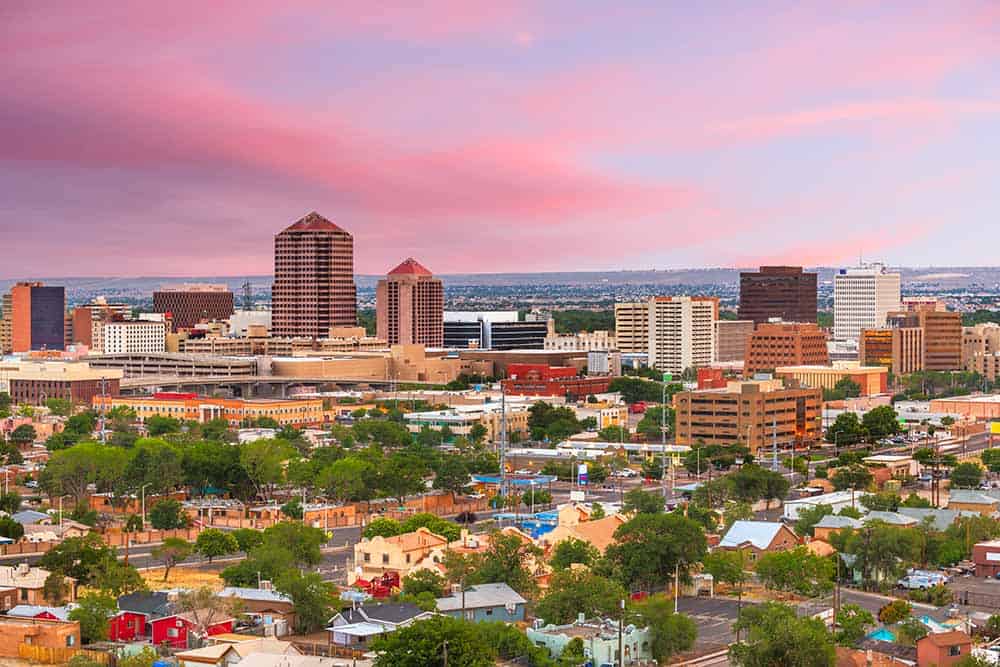
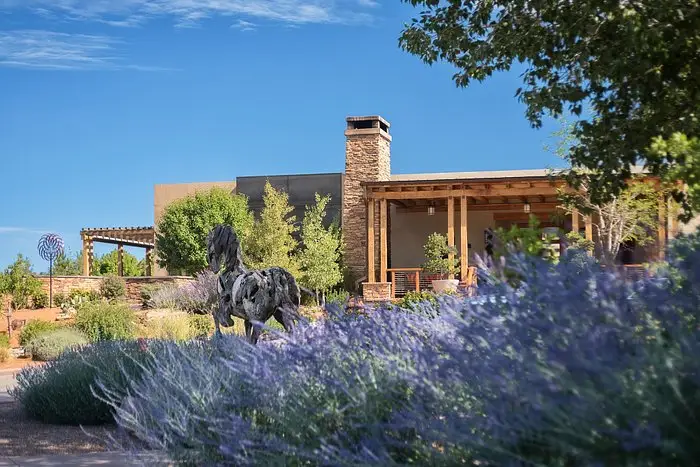
Four Seasons Resort Rancho Encantado Santa Fe:
This luxurious resort is located in the heart of Santa Fe and offers stunning views of the surrounding desert and mountains.
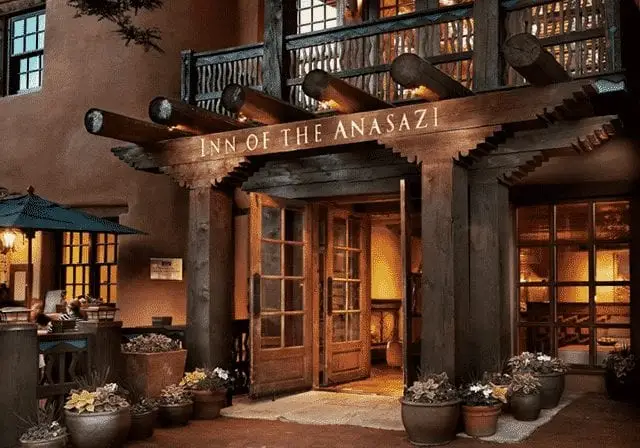
Rosewood Inn of the Anasazi
This elegant hotel is located in the heart of Santa Fe and features a unique blend of ancient Native American and Spanish-colonial architecture.
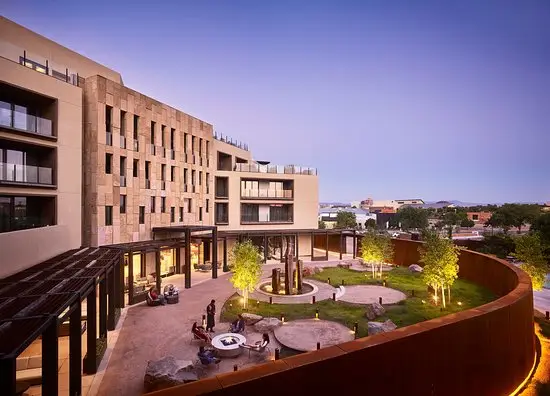
Hotel Chaco
This stylish hotel is located in Albuquerque and features modern rooms and a convenient location near the city's top attractions.
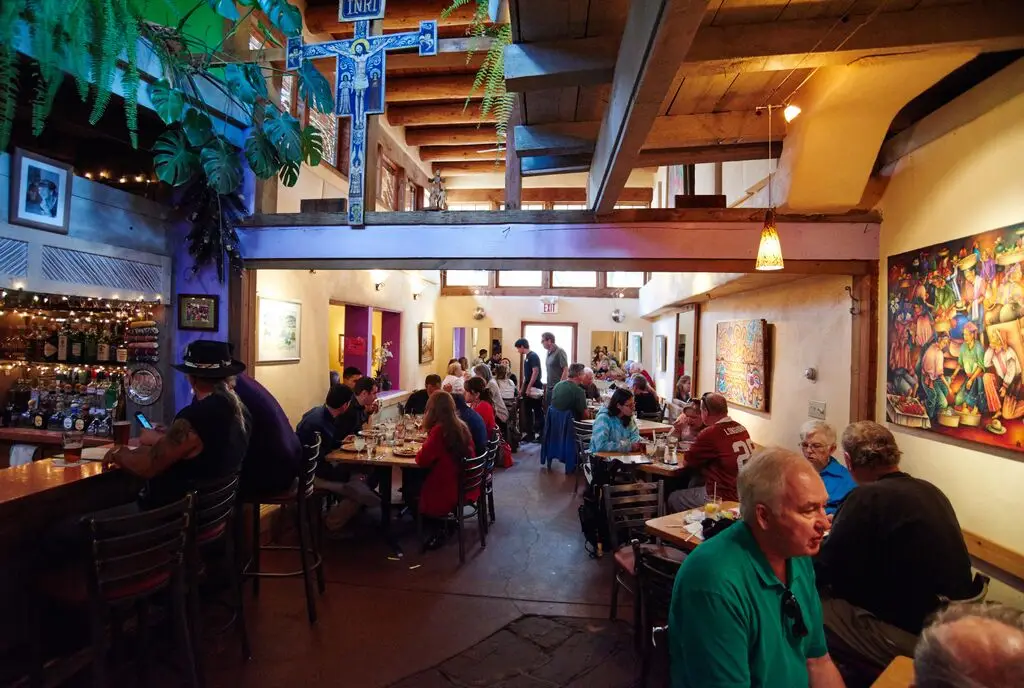
The Shed
The Shed is a Santa Fe institution known for its delicious New Mexican cuisine and cozy, welcoming atmosphere.
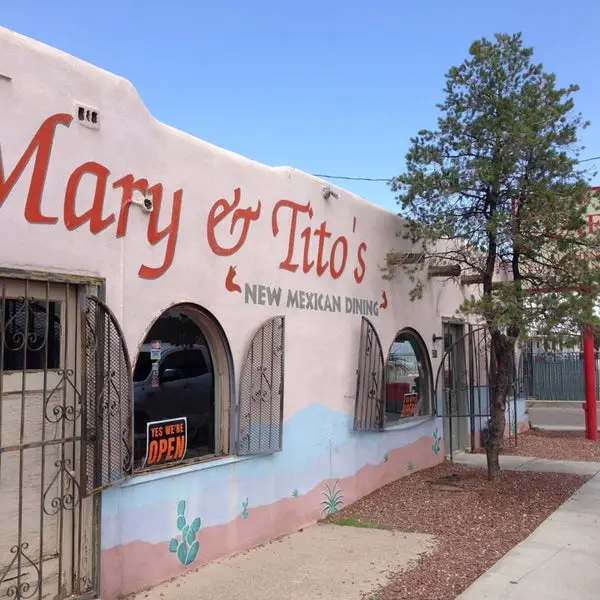
Mary & Tito's Cafe
Mary & Tito's Cafe is a family-owned restaurant in Albuquerque that is famous for its traditional New Mexican dishes and warm hospitality.
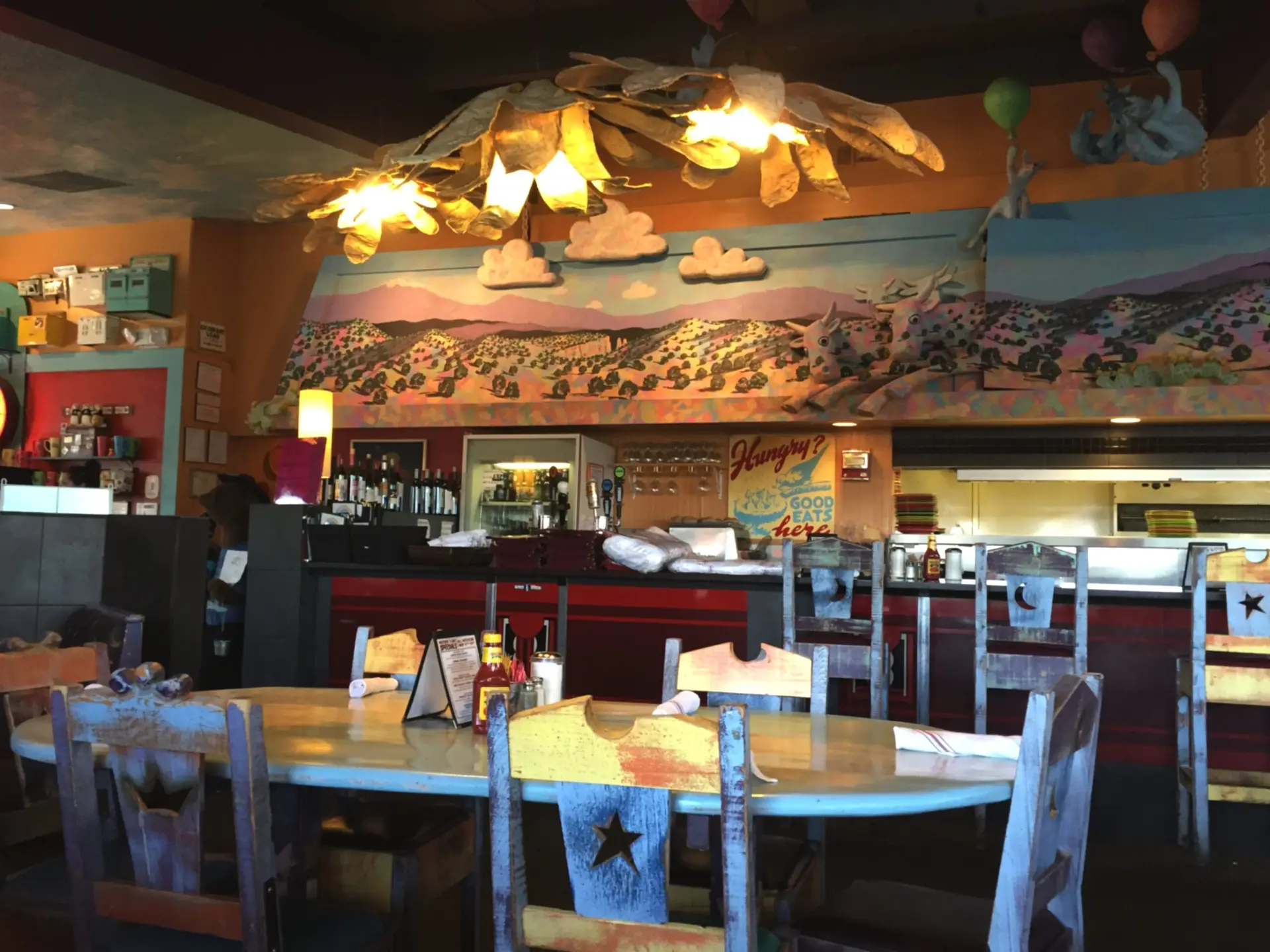
Range Cafe
The Range Cafe is a popular restaurant in Albuquerque that serves up classic American and Southwestern cuisine in a lively, rustic atmosphere.