
Rocky Mountains
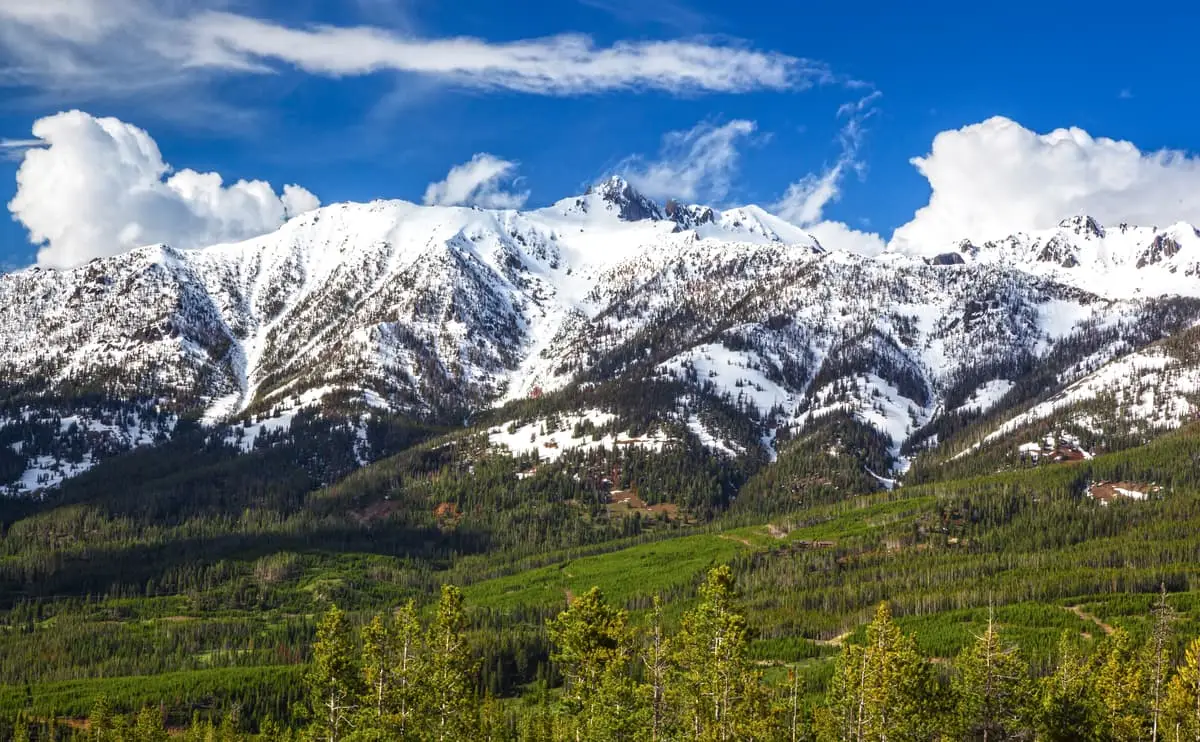
The Rocky Mountains are a mountain range located in Montana, USA, known for their breathtaking scenic vistas and outdoor recreation opportunities. The mountains offer scenic drives, world-class ski resorts, and numerous hiking and camping opportunities. The area is also home to abundant wildlife, including bears, wolves, and elk, making it a popular destination for wildlife viewing and hunting. The Rocky Mountains are a popular destination for tourists and outdoor enthusiasts, offering opportunities for adventure, relaxation, and exploration.
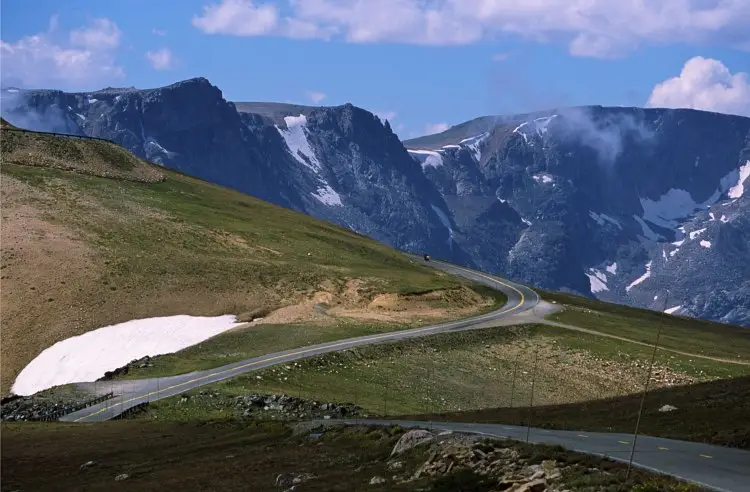
Beartooth Highway:
The Beartooth Highway is a scenic byway located in Montana, USA, offering stunning views of the surrounding Rocky Mountains. It winds through the mountains, reaching an elevation of 10,947 feet at its highest point. The highway is considered one of the most scenic drives in the country, with breathtaking vistas, alpine lakes, and wildlife along the way. It's a popular destination for tourists and outdoor enthusiasts, offering opportunities for hiking, camping, and fishing.
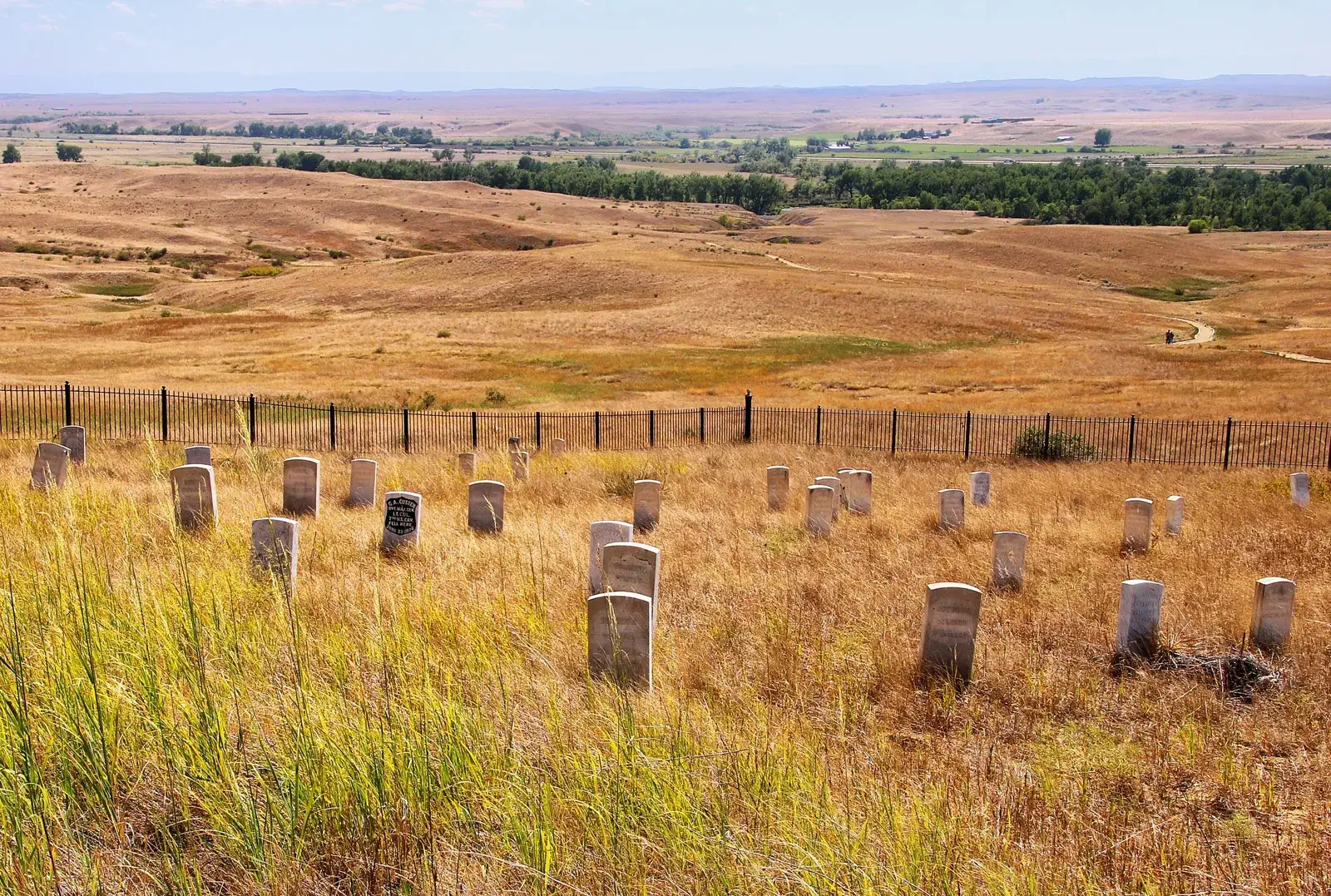
Little Bighorn Battlefield National Monument
Little Bighorn Battlefield National Monument is a historical site in southeastern Montana, marking the site of the Battle of Little Bighorn in 1876. The site features a museum and interpretive center, as well as monuments and markers commemorating the battle, which was fought between U.S. soldiers and several Native American tribes. The site is a place of solemn reflection and a reminder of a significant moment in American history.
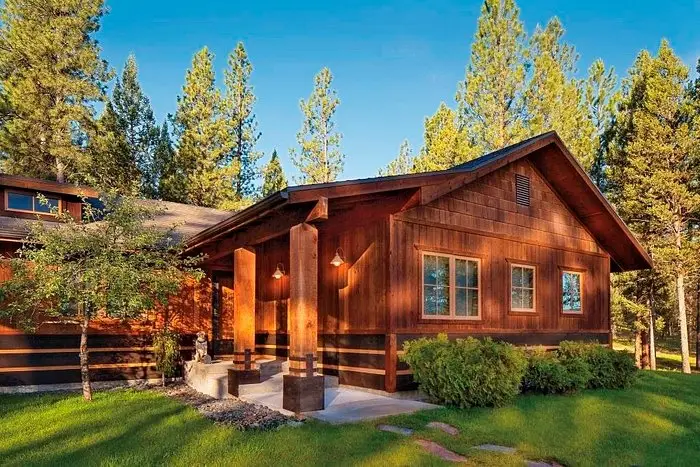
The Resort at Paws Up
This luxurious resort is located in Greenough, Montana and offers guests a unique blend of comfort and adventure. With a variety of accommodation options, including tents and lodges, the resort is perfect for families, couples, and groups.
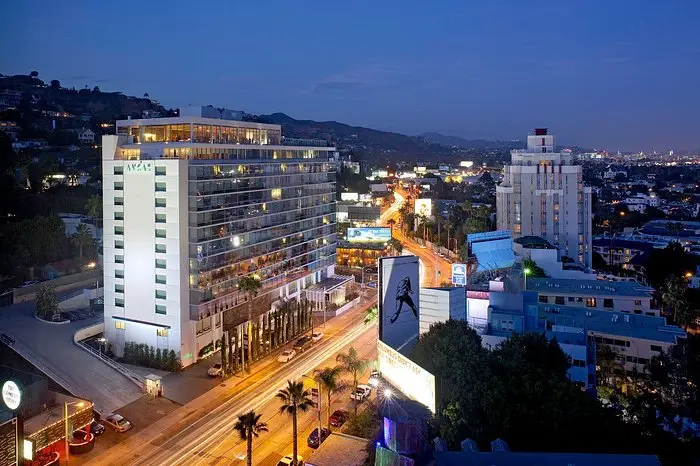
The Andaz West Hollywood
This boutique hotel is located in West Hollywood, Montana and offers guests a modern and stylish stay. With a focus on comfort and convenience, the Andaz West Hollywood is a great choice for travelers looking for a contemporary and chic experience.
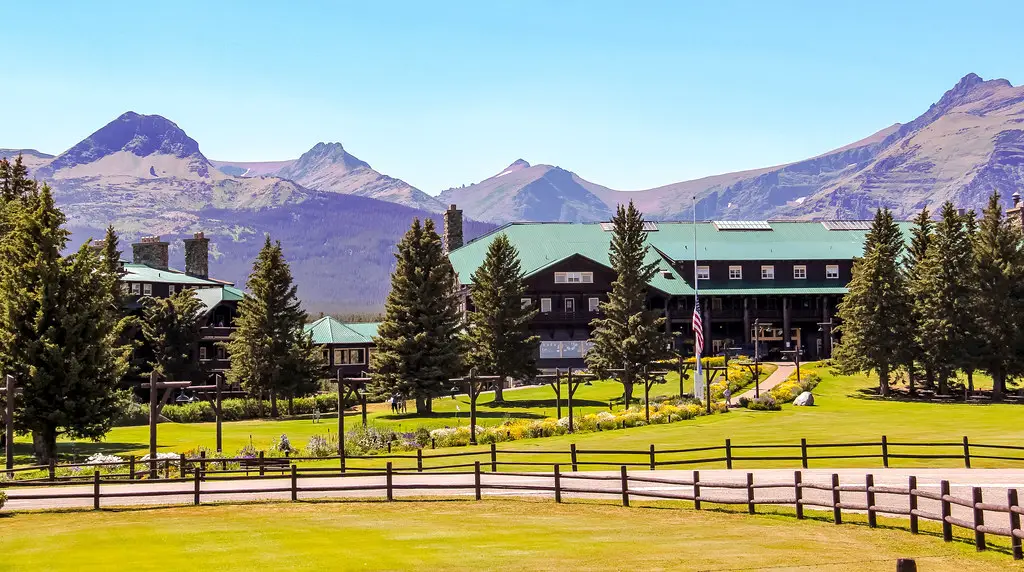
The Glacier Park Lodge
This historic lodge is located in East Glacier Park, Montana and offers guests a traditional and rustic stay. With its stunning natural setting and convenient location near Glacier National Park, the Glacier Park Lodge is a popular choice for travelers looking to experience the best of Montana's natural beauty.
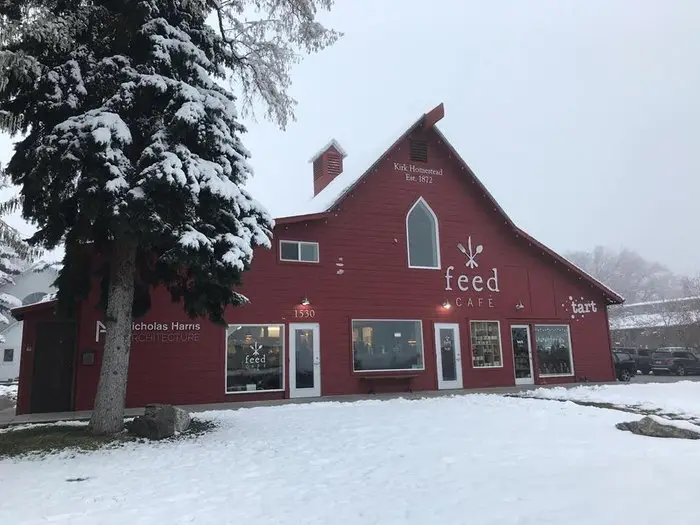
The Farmhouse
Located in Bozeman, Montana, The Farmhouse is a farm-to-table restaurant that serves locally-sourced, seasonal ingredients. The menu features classic dishes with a contemporary twist, and the restaurant's welcoming atmosphere makes it a popular destination for both locals and visitors.
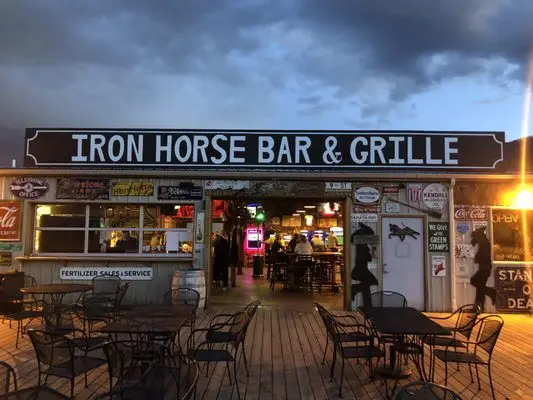
The Iron Horse Bar & Grill
This casual eatery is located in Whitefish, Montana and offers a variety of classic American dishes in a friendly and laid-back setting. With its extensive menu and affordable prices, the Iron Horse Bar & Grill is a great choice for families, friends, and solo travelers.
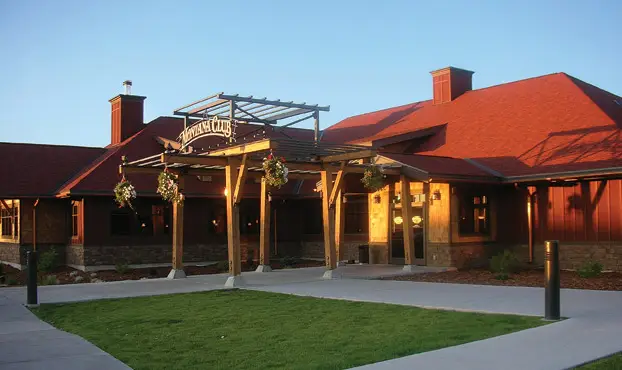
The Montana Club
This upscale restaurant is located in Helena, Montana and offers guests a sophisticated dining experience. With a focus on fresh, high-quality ingredients and a wide selection of menu items, the Montana Club is a popular destination for special occasions, business dinners, and romantic meals.