

Gulf Islands National Seashore
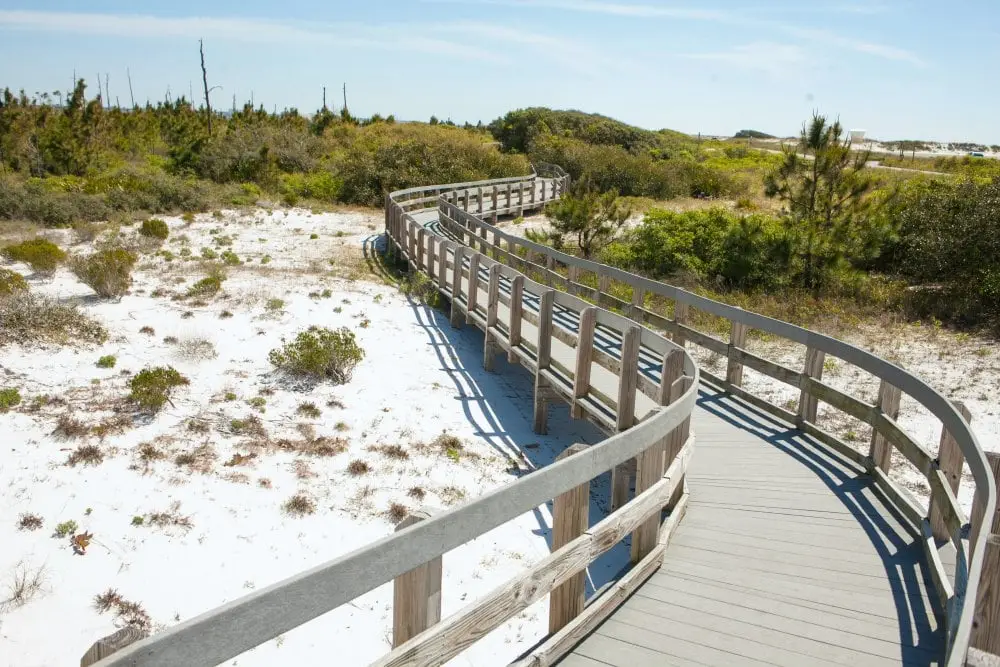
Gulf Islands National Seashore is a protected area along the Gulf of Mexico, stretching across Mississippi and Florida. The seashore offers visitors scenic beaches, dunes, and diverse wildlife, making it a popular destination for outdoor activities such as hiking, swimming, and bird watching. It is also home to historic sites, including Civil War fortifications and lighthouses.
Natchez Trace Parkway
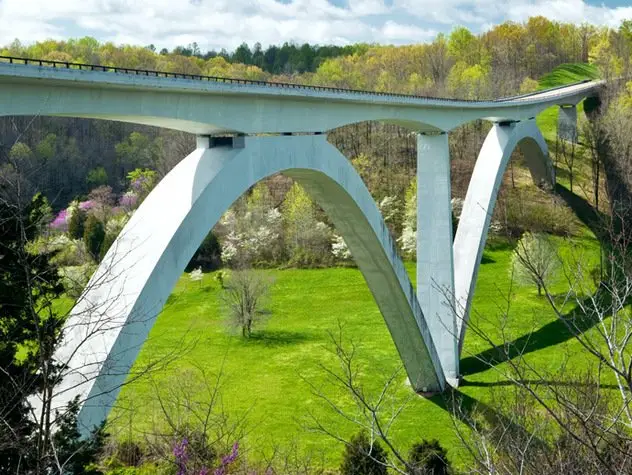
Natchez Trace Parkway is a 444-mile road that follows the historic Natchez Trace trade route. The scenic drive offers breathtaking views of rolling hills and forests, and is a popular destination for outdoor activities such as hiking, biking, and camping. The parkway is also home to historic sites, including Native American mounds and Civil War battlefields, making it a must-see for history buffs.
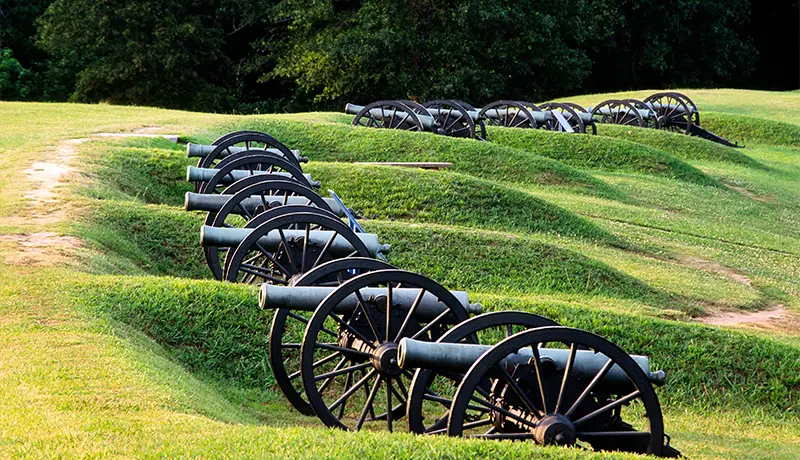
Vicksburg National Military Park
Vicksburg National Military Park is a historic site in Mississippi, preserving the battlefields and monuments of the Battle of Vicksburg. The battle was a key moment in the Civil War, and the park offers visitors the chance to explore its rich history through museum exhibits, monuments, and guided tours. The park also features scenic walking trails and picnic areas, making it a popular destination for both history buffs and outdoor enthusiasts.
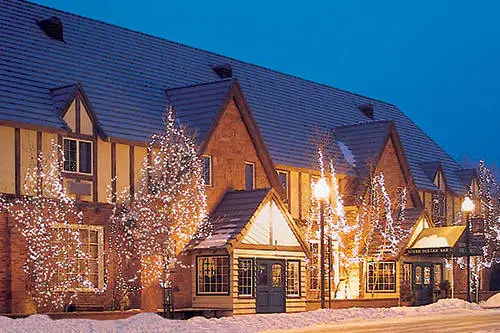
The Roosevelt Hotel in Jackson
The Roosevelt Hotel is a historic hotel located in the heart of Jackson, Mississippi. The hotel, which was built in the 1920s, features elegant and spacious rooms, fine dining options, and a full-service spa.
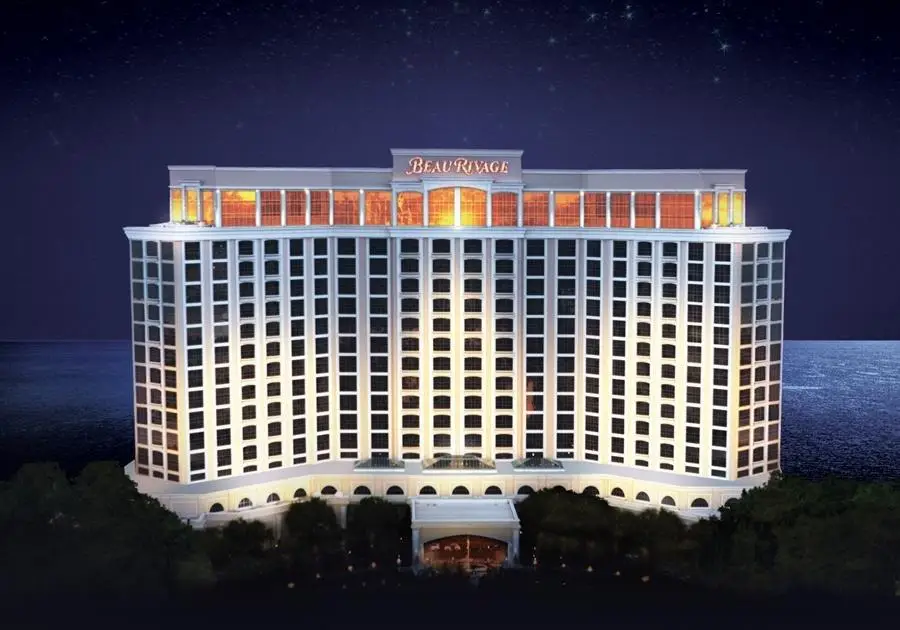
The Beau Rivage Resort & Casino in Biloxi
The Beau Rivage Resort & Casino is a luxury resort located on the Gulf Coast in Biloxi, Mississippi. The resort features a casino, multiple dining options, a pool, and a full-service spa.
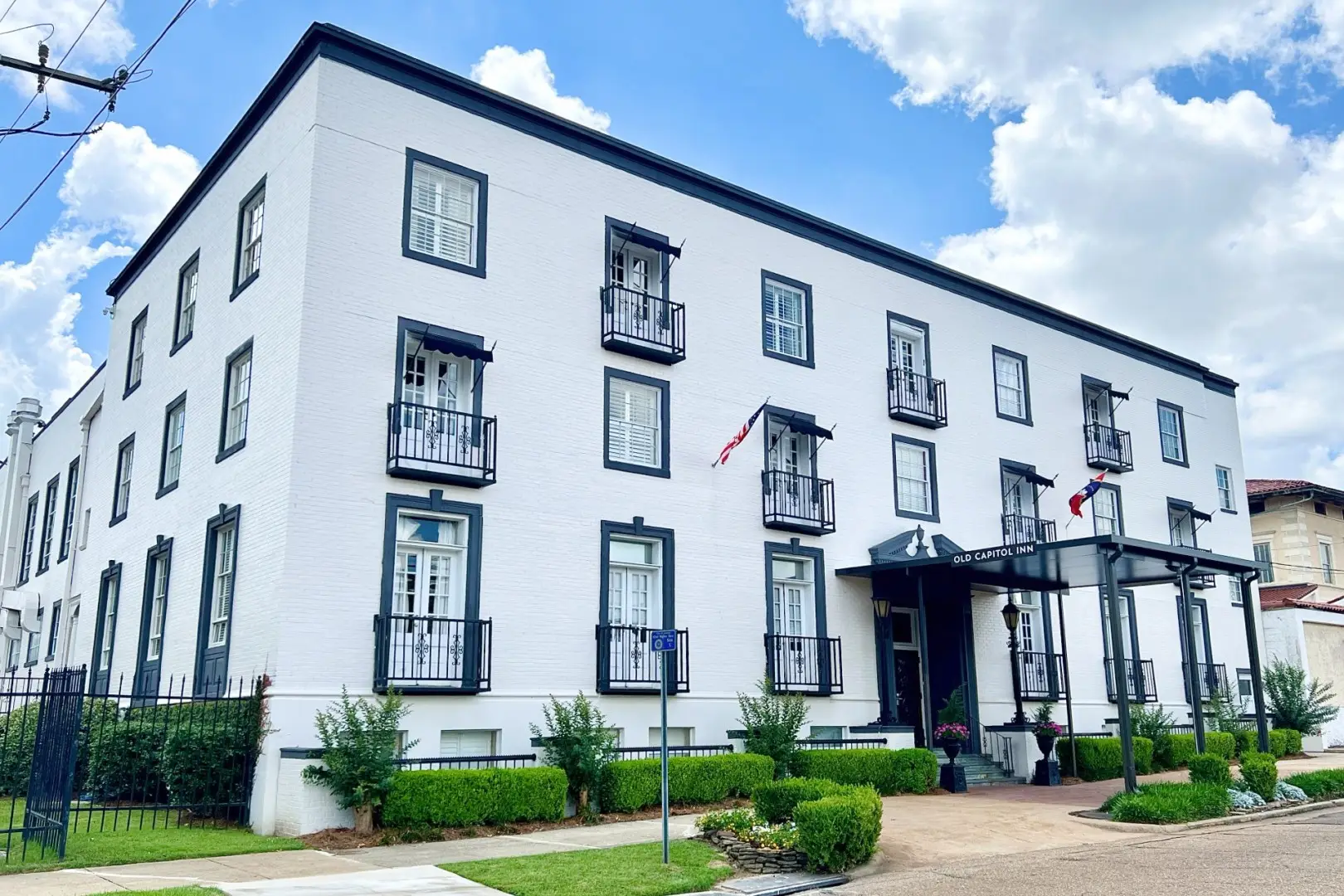
The Old Capitol Inn in Jackson
The Old Capitol Inn is a charming and historic hotel located in the heart of Jackson, Mississippi. The hotel, which is housed in a restored 19th-century building, features elegant rooms, a rooftop terrace, and a restaurant serving southern cuisine.
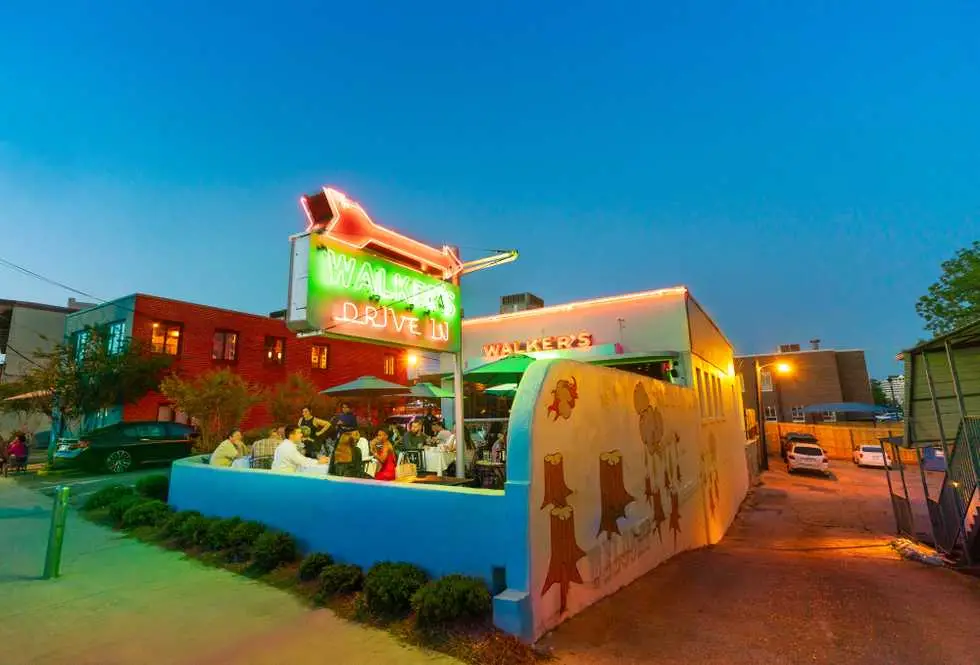
Walker's Drive-In in Jackson
Walker's Drive-In is a popular restaurant located in Jackson, Mississippi. The restaurant, which has been serving Southern cuisine since the 1970s, is known for its classic dishes, such as fried chicken and biscuits.
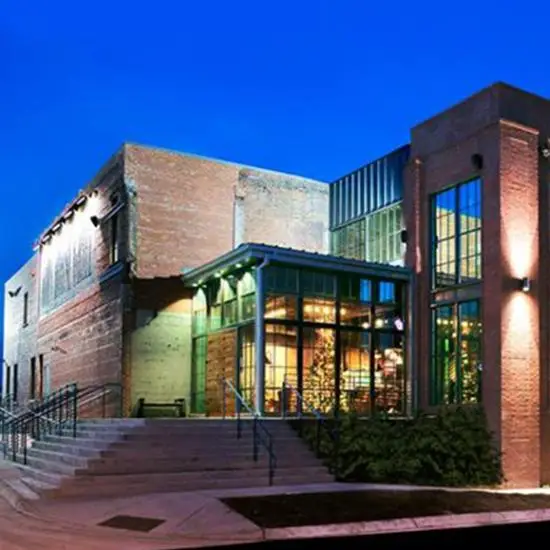
The Iron Horse Grill in Gulfport
The Iron Horse Grill is a casual dining restaurant located in Gulfport, Mississippi. The restaurant, which is housed in a restored train depot, serves a variety of Southern and American dishes, including steaks and se
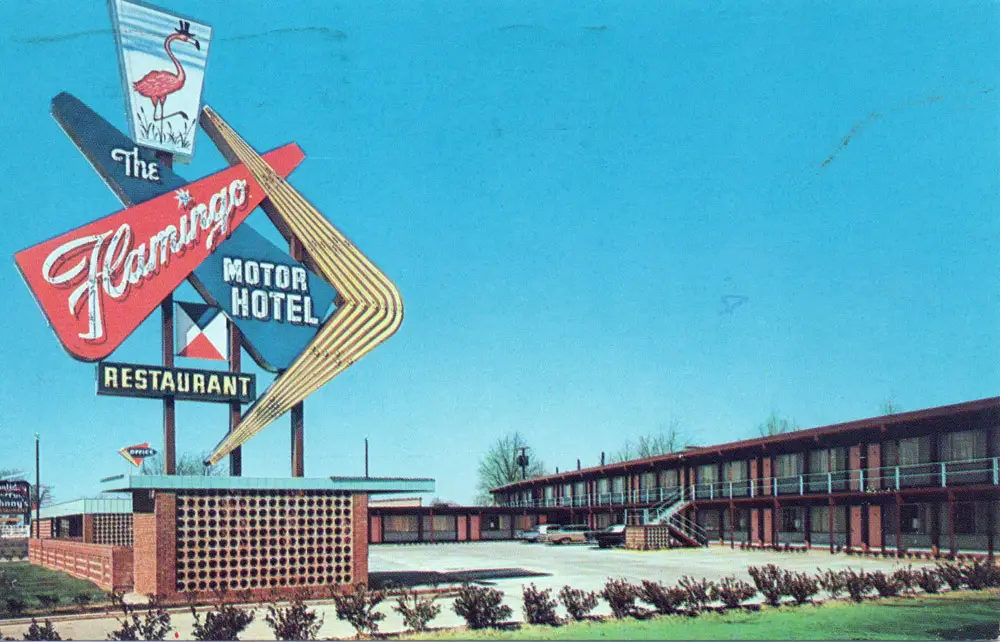
The Flamingo Restaurant in Jackson
The Flamingo Restaurant is a classic Southern diner located in Jackson, Mississippi. The restaurant, which has been serving home-style cooking since the 1940s, is famous for its biscuits, gravy, and other traditional Southern dishes.