
Flint Hills
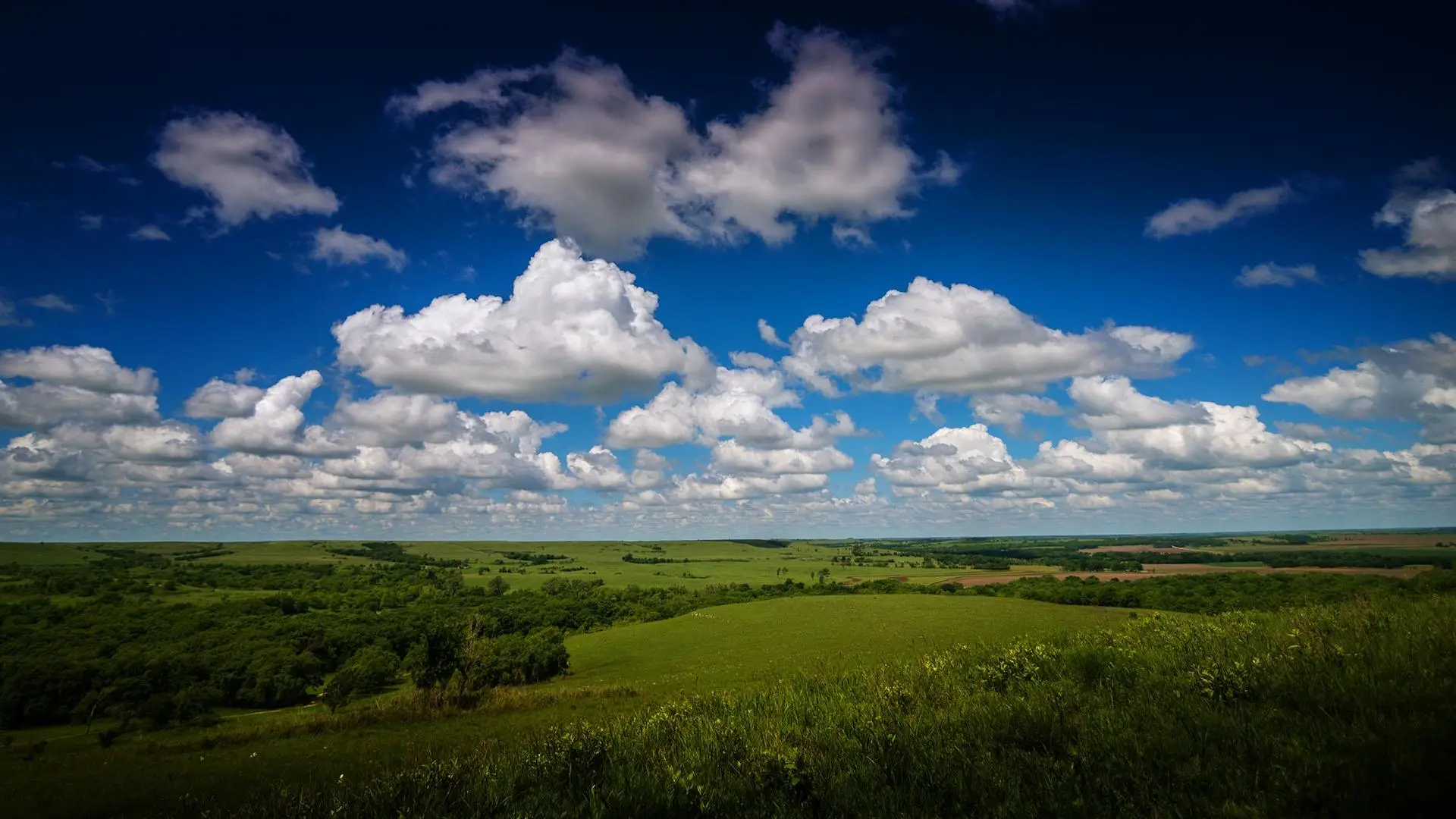
Flint Hills is a region of rolling hills and prairies located in Kansas, USA. It is known for its unique geography and diverse ecosystem, including tallgrass prairies, oak savannas, and limestone outcroppings. The Flint Hills are also a significant part of Kansas' history and culture, with a rich tradition of ranching and farming. Today, the Flint Hills are protected and preserved, offering opportunities for outdoor recreation, scenic drives, and nature observation.
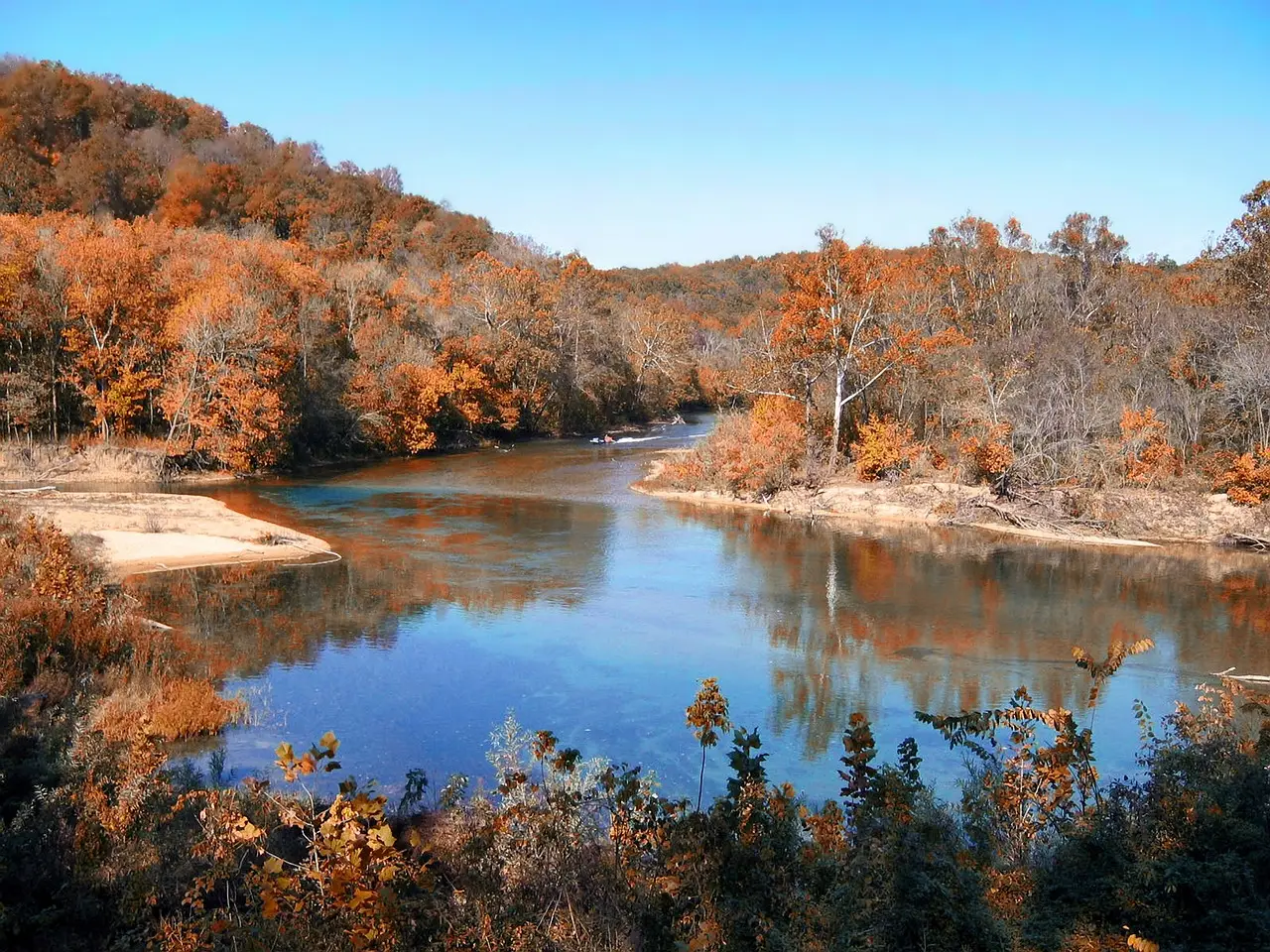
Kansas River
Kansas River, also known as the Kaw, is a major river in the state of Kansas, USA. It originates in eastern Kansas and flows into the Missouri River, covering a total distance of approximately 170 miles. The river offers recreational opportunities such as fishing, boating, and kayaking. It is also a source of drinking water, irrigation, and hydroelectric power for the state. The Kansas River has a rich history, playing a crucial role in the settlement of the western United States and the development of the state of Kansas.
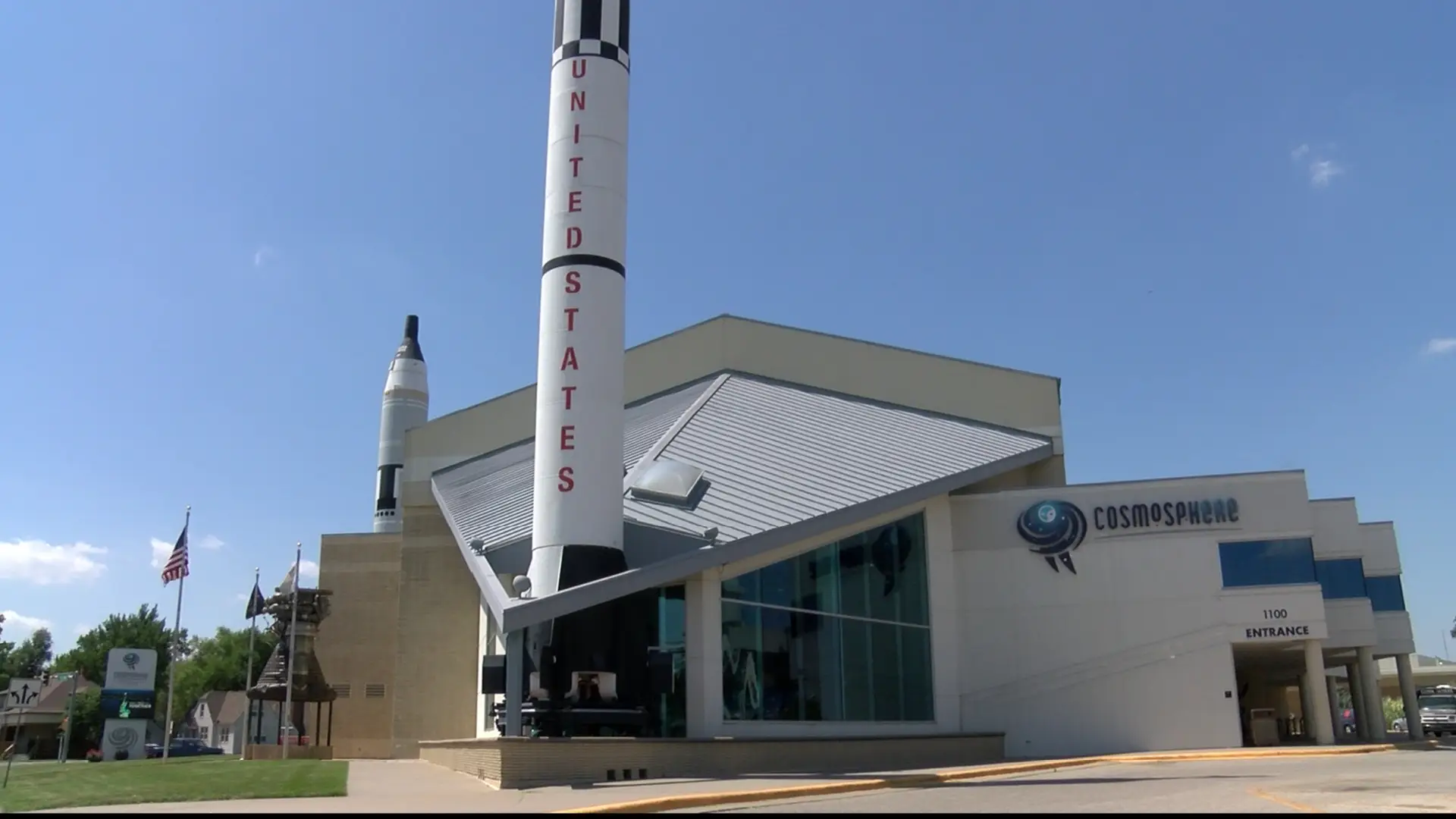
Kansas Cosmosphere and Space Center
The Kansas Cosmosphere and Space Center is a museum located in Hutchinson, Kansas, dedicated to space exploration and technology. It features exhibits on the history of space travel, including artifacts and interactive displays showcasing the technologies and scientific achievements of space exploration. The Cosmosphere is home to one of the largest collections of Soviet and American space artifacts in the world, including a lunar module and a moon rock. It also offers educational programs, planetarium shows, and IMAX films, making it a popular tourist attraction for families, space enthusiasts, and science students.
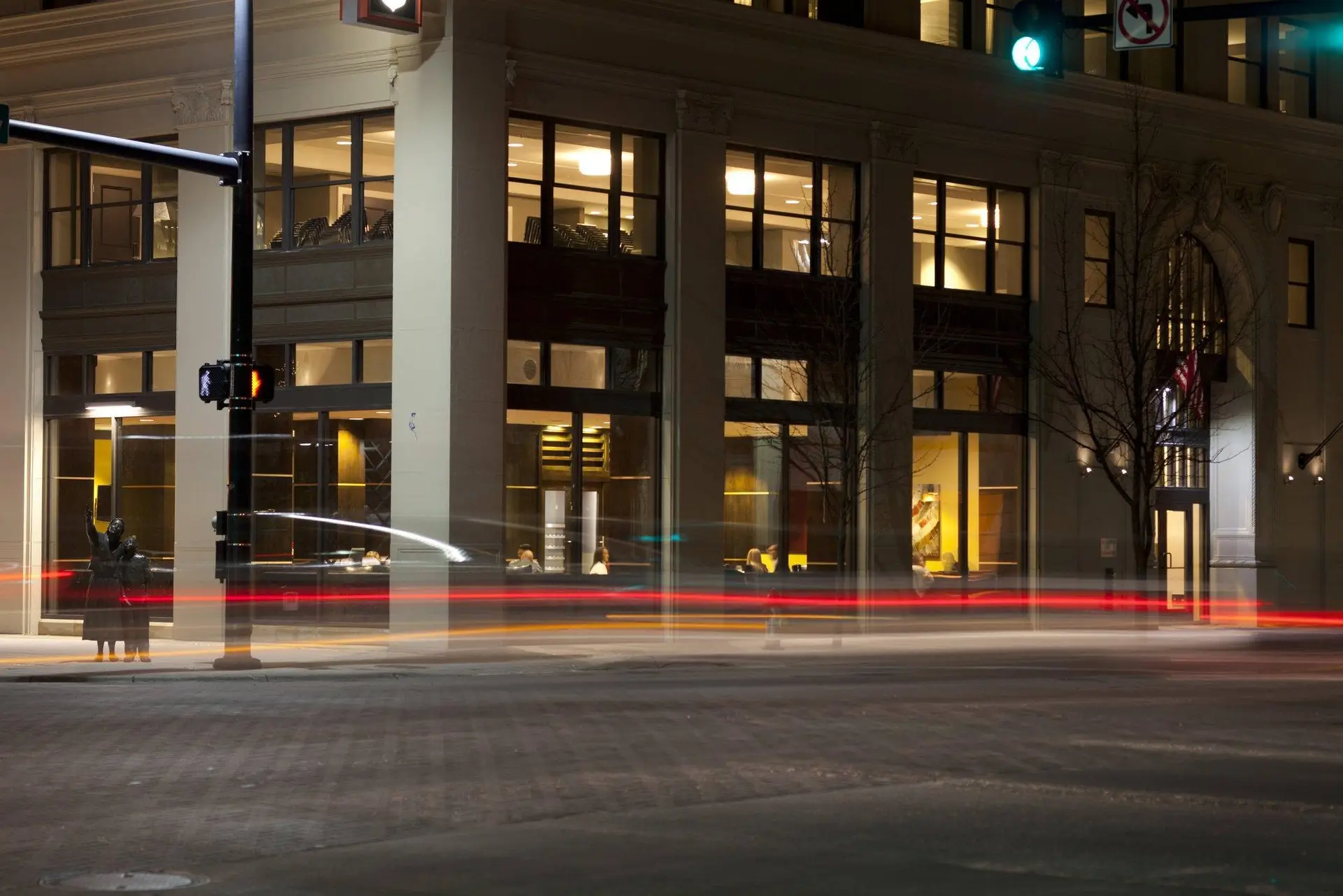
The Ambassador Hotel Wichita
A historic hotel located in downtown Wichita, offering elegant rooms and suites with vintage charm.
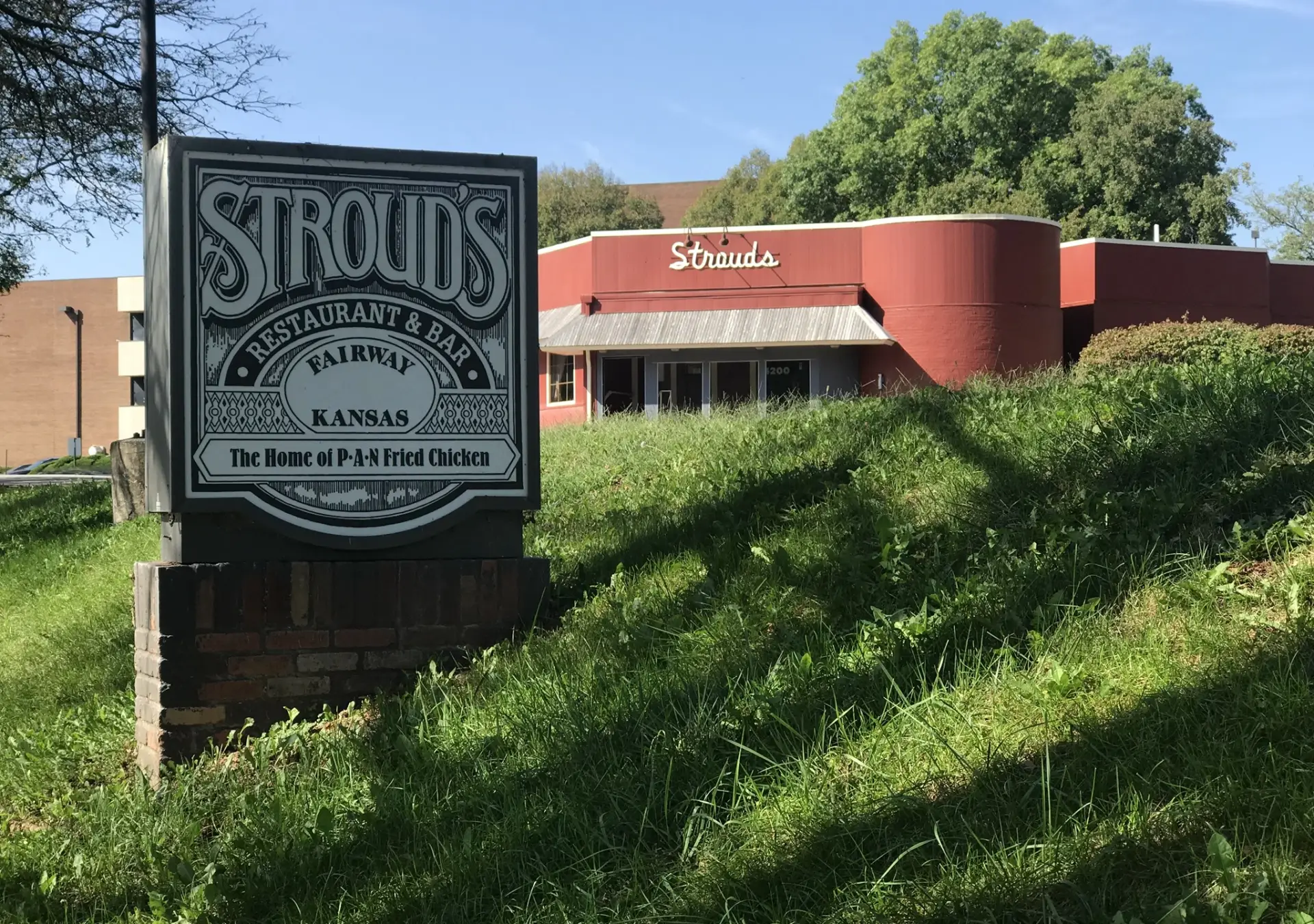
The Stroud's Hotel and Restaurant:
A family-owned and operated hotel located in the heart of Kansas, offering comfortable rooms and a popular restaurant serving home-style cooking.
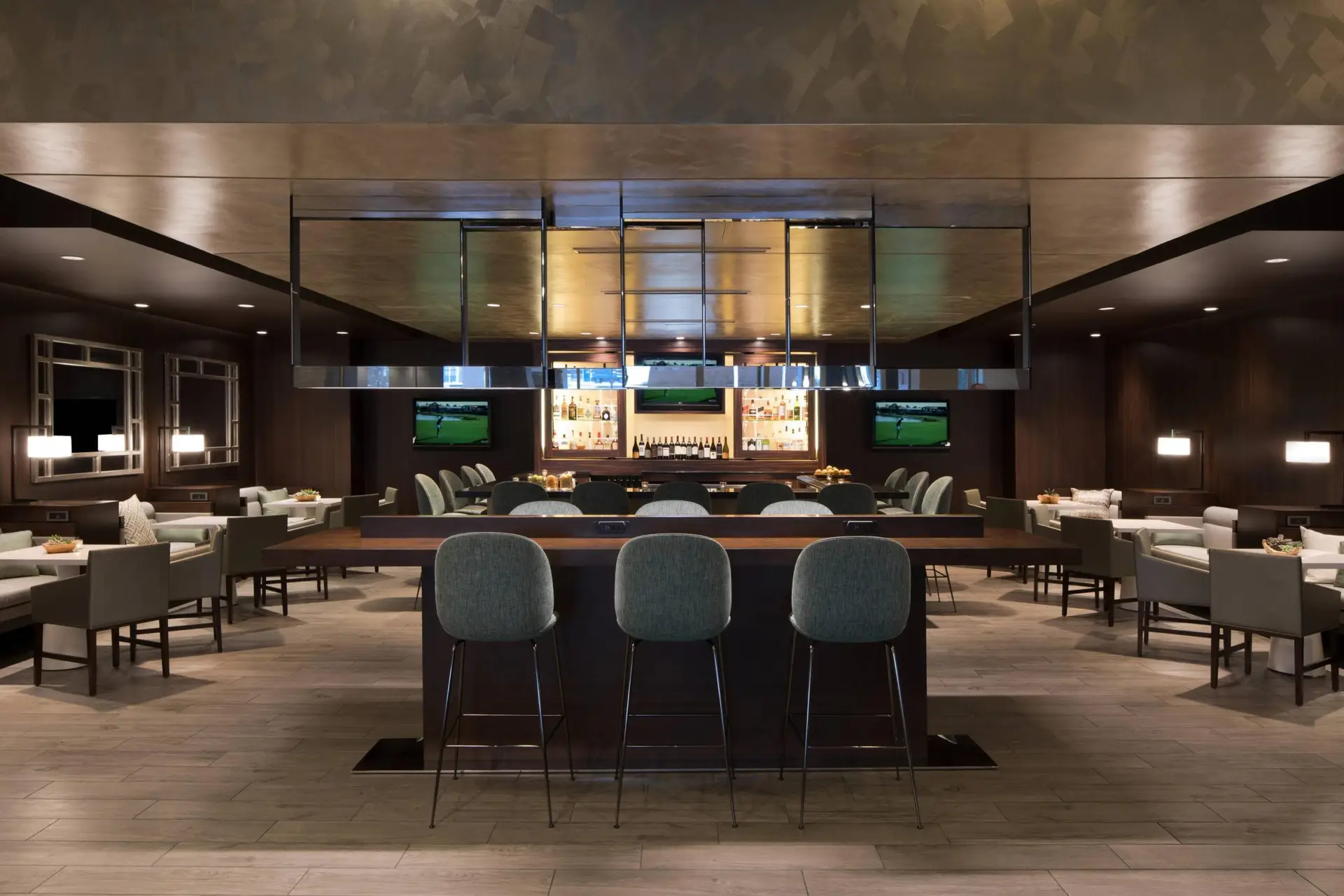
The Kansas City Marriott Country Club Plaza
A luxurious hotel located in the heart of Kansas City, featuring spacious rooms and suites, a fitness center, and an on-site restaurant.
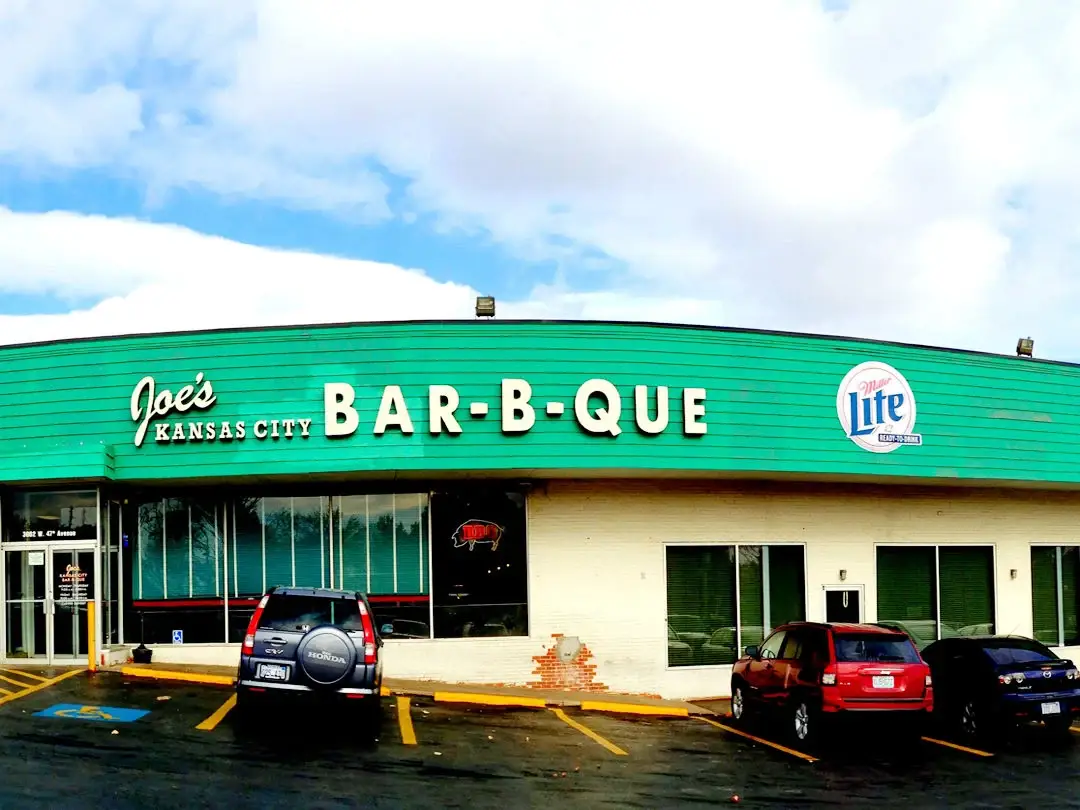
Joe's Kansas City Bar-B-Que
A legendary barbecue restaurant in Kansas City, serving mouth-watering ribs, brisket, and pulled pork.
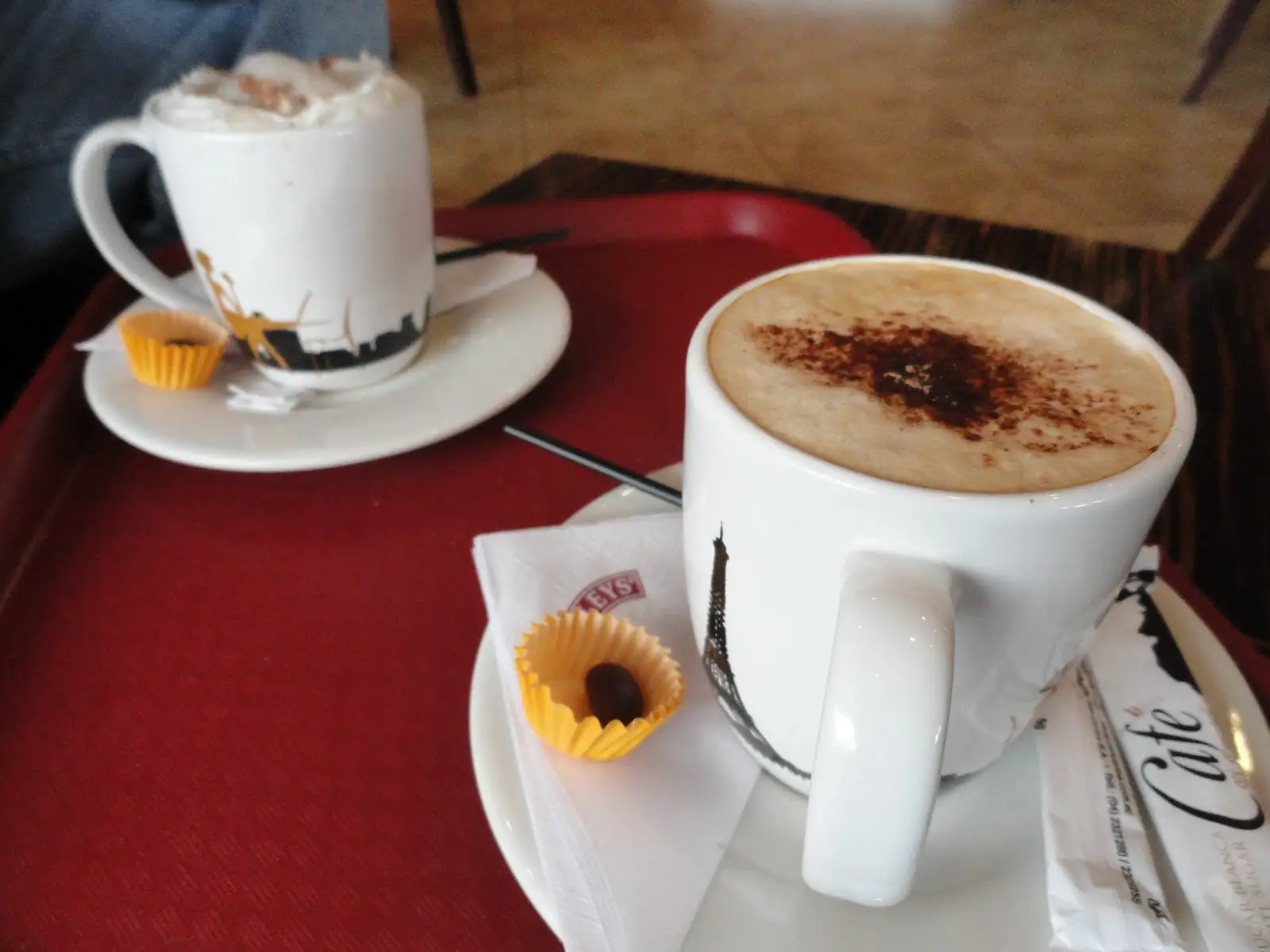
The Windhorse Cafe
A family-owned and operated restaurant in Lawrence, offering farm-to-table cuisine using locally-sourced ingredients.
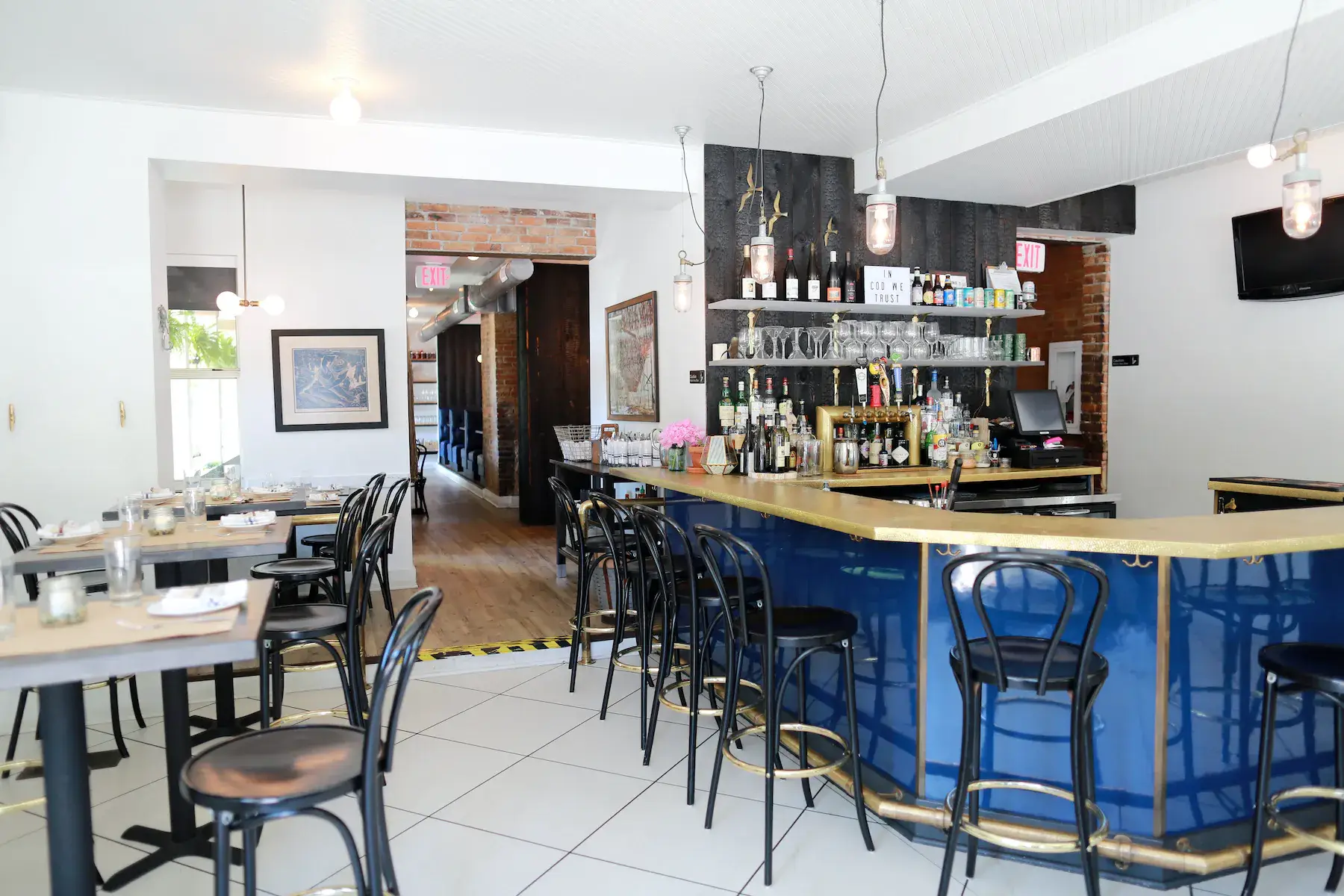
The Anchor
A popular seafood restaurant in Wichita, serving fresh, sustainably-sourced fish and seafood, along with hand-crafted cocktails.