

Volcanoes National Park
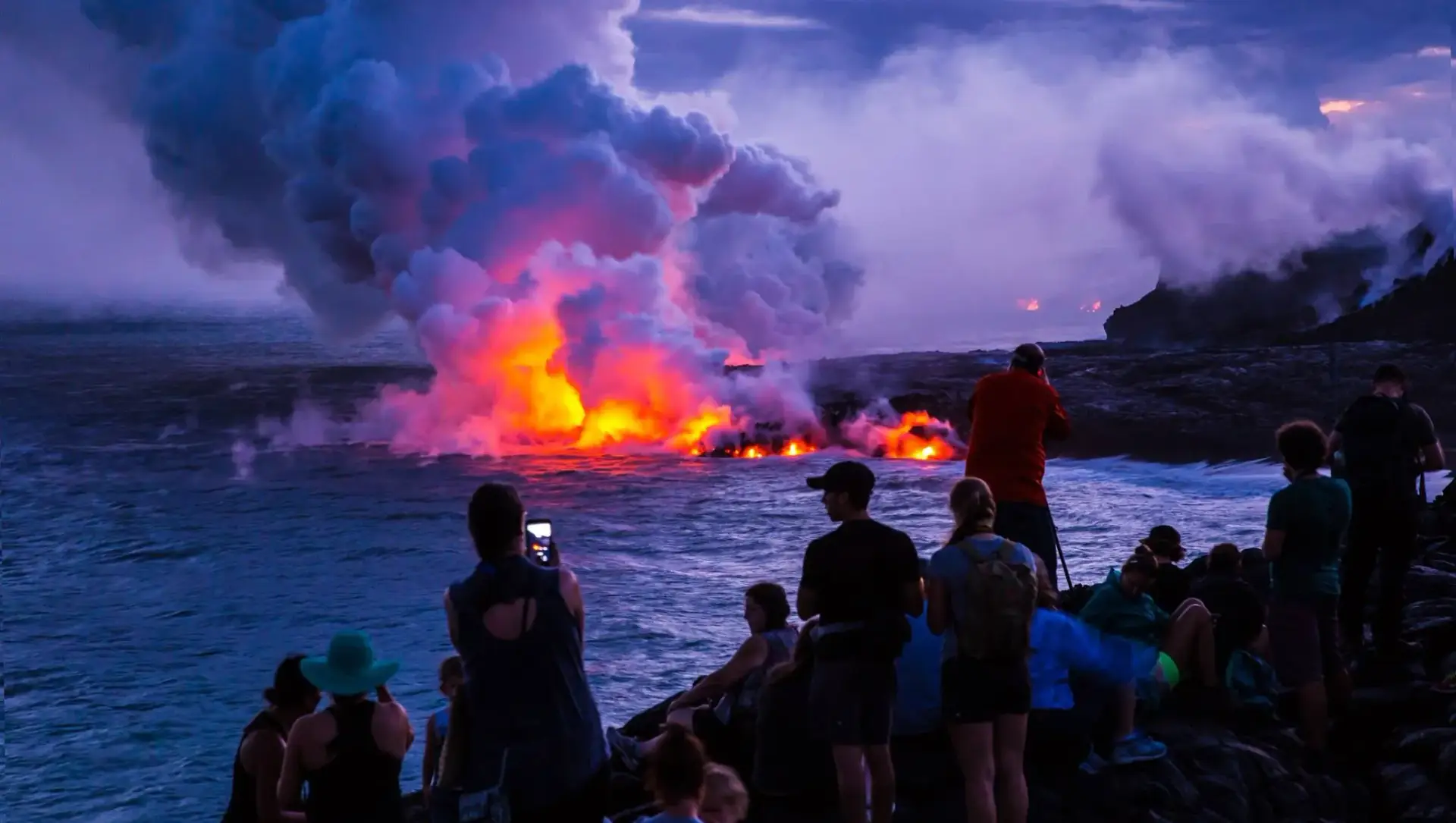
Volcanoes National Park is a unique and fascinating park in Hawaii that showcases the power of volcanic activity. It is home to two active volcanoes, Kilauea and Mauna Loa, and offers visitors the chance to witness the creation of new land through volcanic eruptions. The park features diverse landscapes, including barren lava fields, lush rainforests, and steam vents. Visitors can hike, camp, and explore the area to learn more about the geology and history of the Hawaiian Islands.
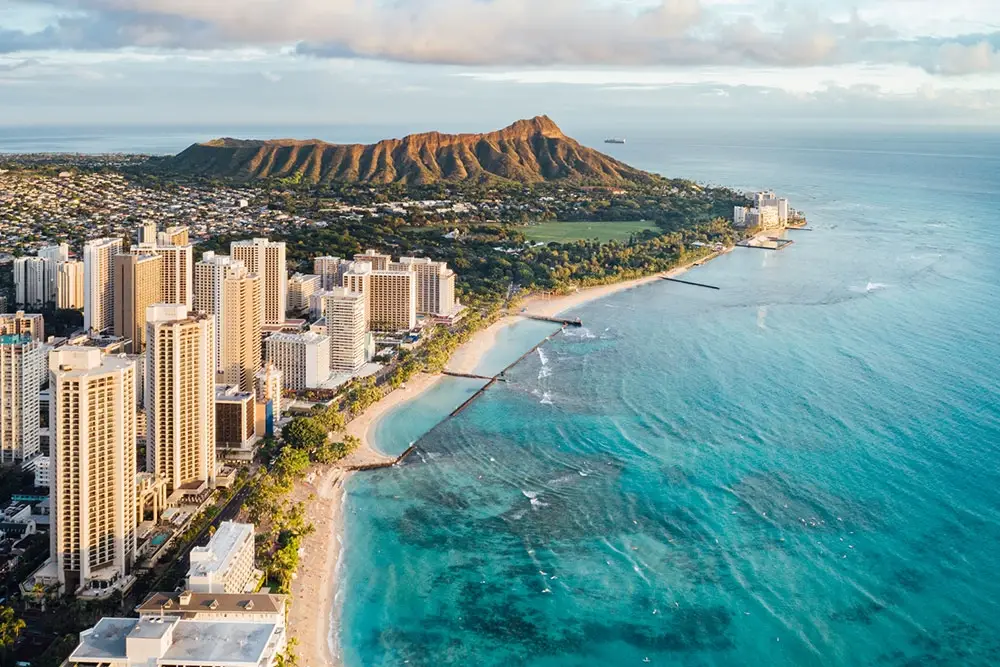
Waikiki Beach
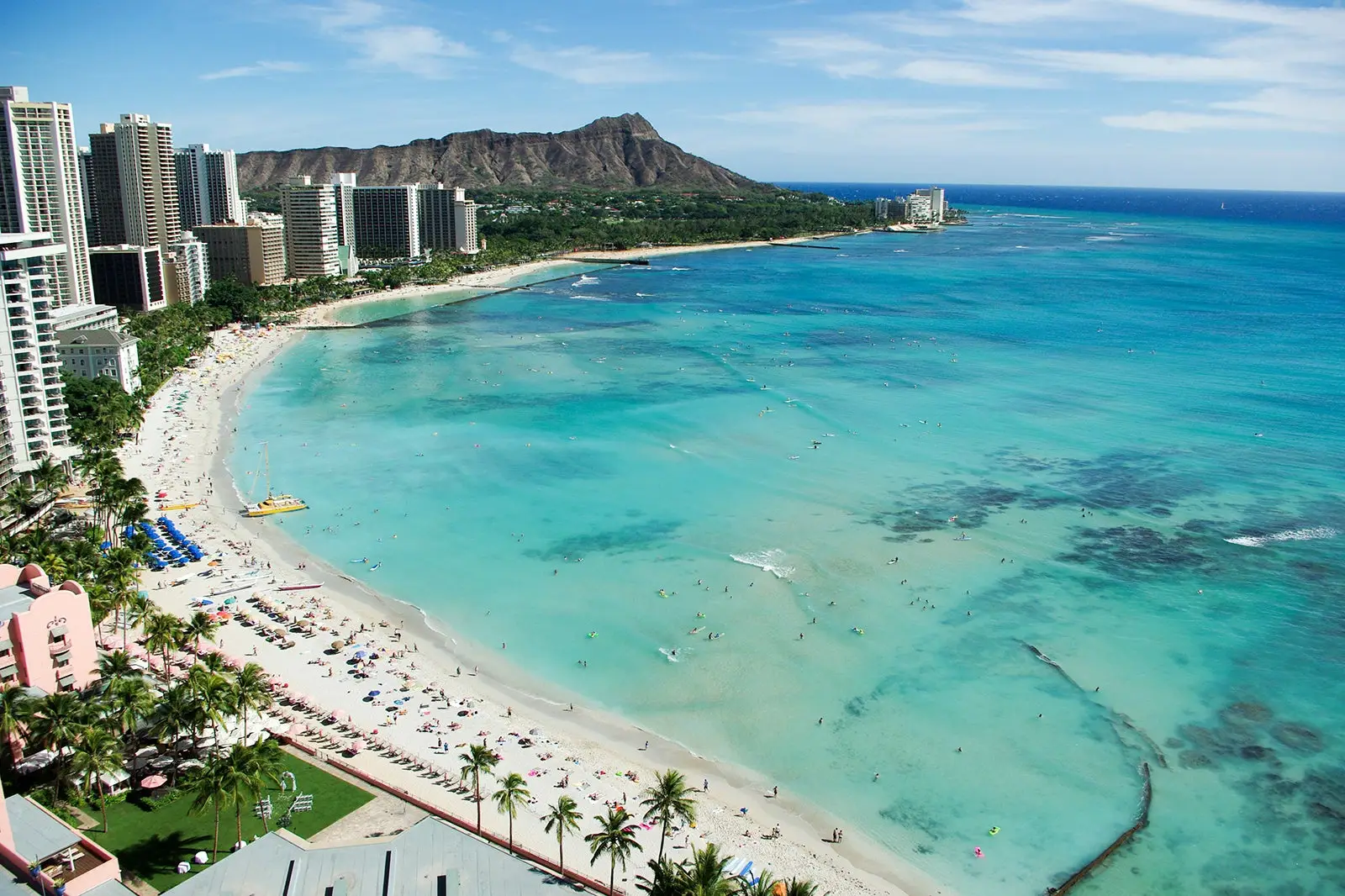
Waikiki Beach is a world-renowned tourist destination located in Honolulu, Hawaii. This iconic beach is known for its iconic surf culture, vibrant nightlife, and diverse water activities such as surfing, paddling, and swimming. The beach is surrounded by luxury hotels, shopping, and dining options, making it a popular spot for both tourists and locals. Despite its popularity, Waikiki Beach still retains its beauty and charm, with crystal-clear waters and a picturesque sunset.
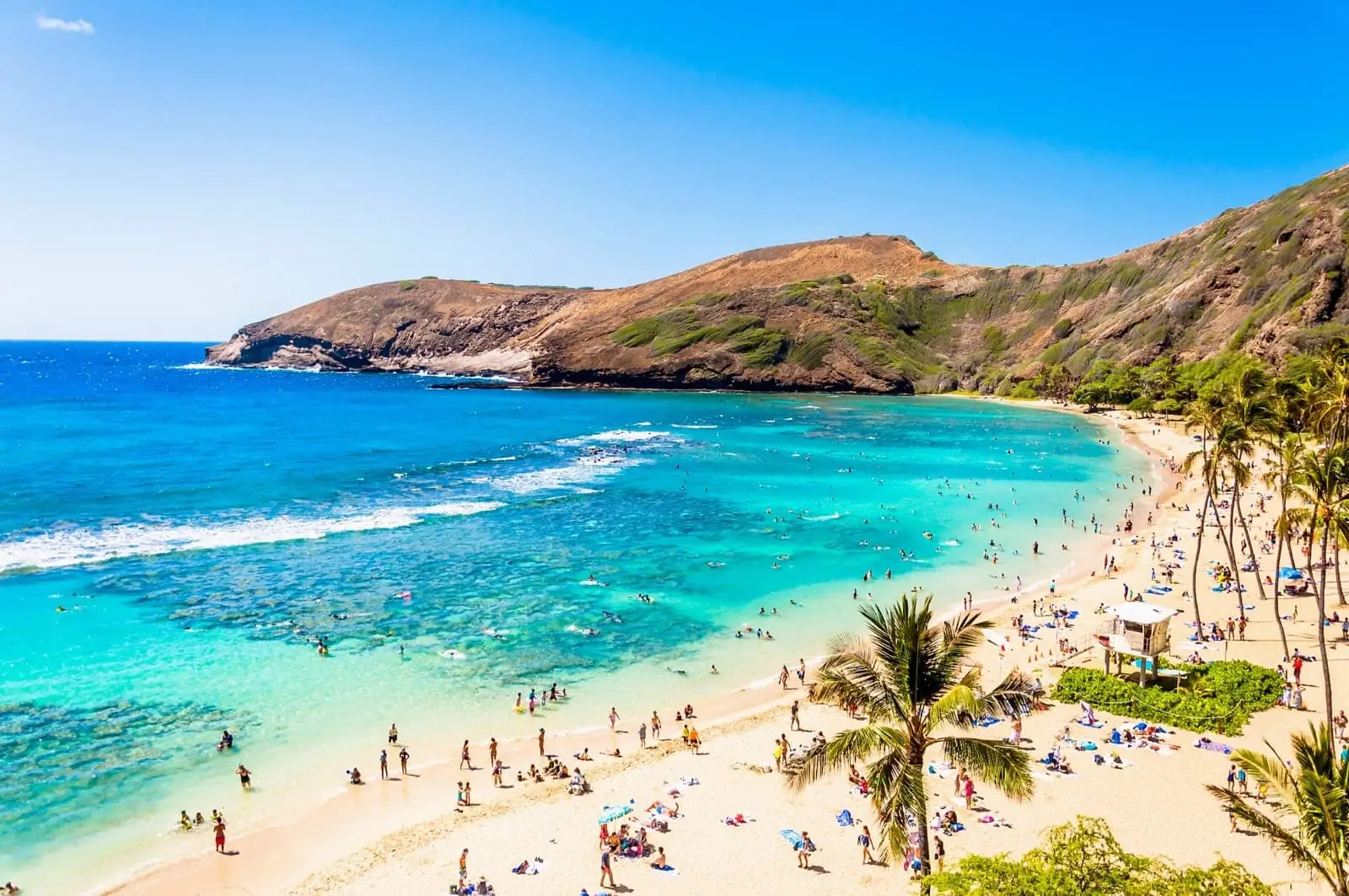
Hanauma Bay
Hanauma Bay is a marine conservation area located on the southeast coast of Oahu, Hawaii. This popular snorkeling spot is known for its crystal-clear waters and diverse marine life, including over 400 species of fish. Hanauma Bay has been recognized as one of the best snorkeling spots in the world and attracts thousands of visitors every year. To protect the delicate ecosystem, visitors are required to attend an educational presentation before entering the bay. The stunning scenery and unique opportunity to explore the underwater world make Hanauma Bay a must-visit destination for nature lovers.
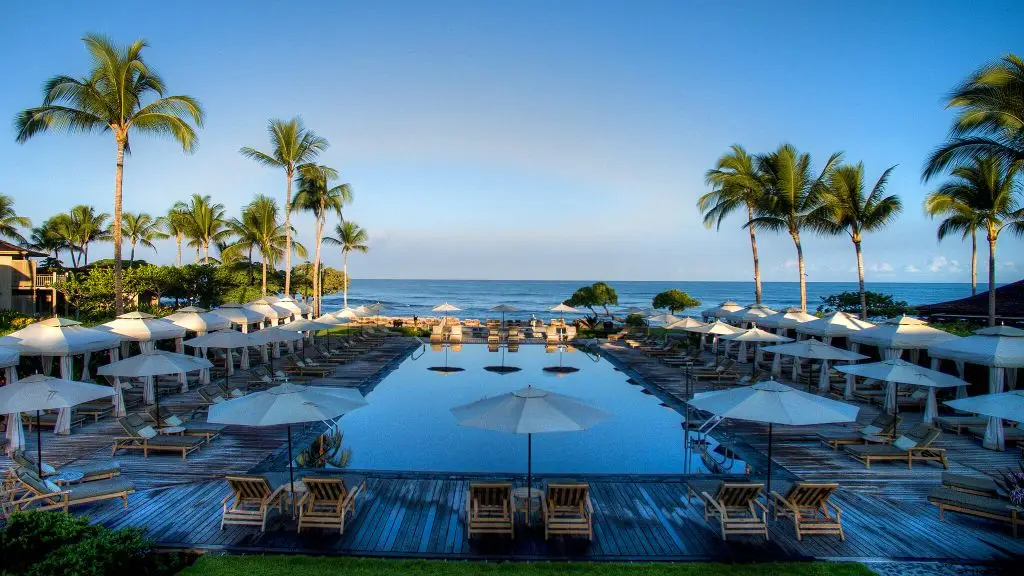
Four Seasons Resort Hualalai
This luxurious resort is located on the Big Island of Hawaii and offers guests a true taste of Hawaiian paradise. With a focus on sustainability, the resort features spacious rooms and suites, each with their own private lanai, as well as a range of dining options and on-site activities.
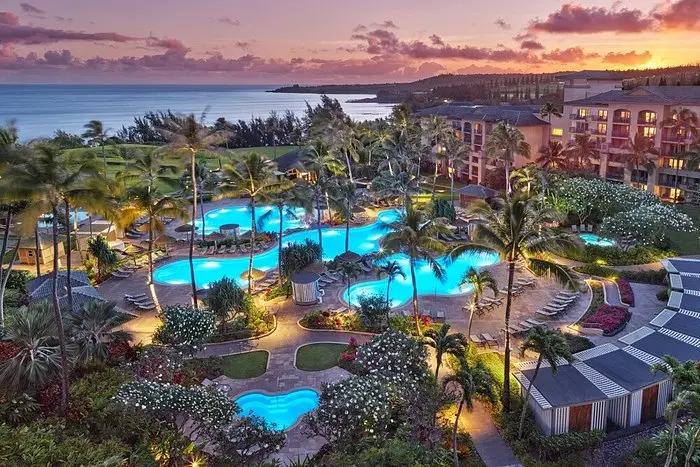
The Ritz-Carlton, Kapalua
This stunning resort is located on the island of Maui and offers guests breathtaking views of the Pacific Ocean and the surrounding mountains. The resort features a range of luxurious rooms and suites, as well as a variety of dining options and a full-service spa.
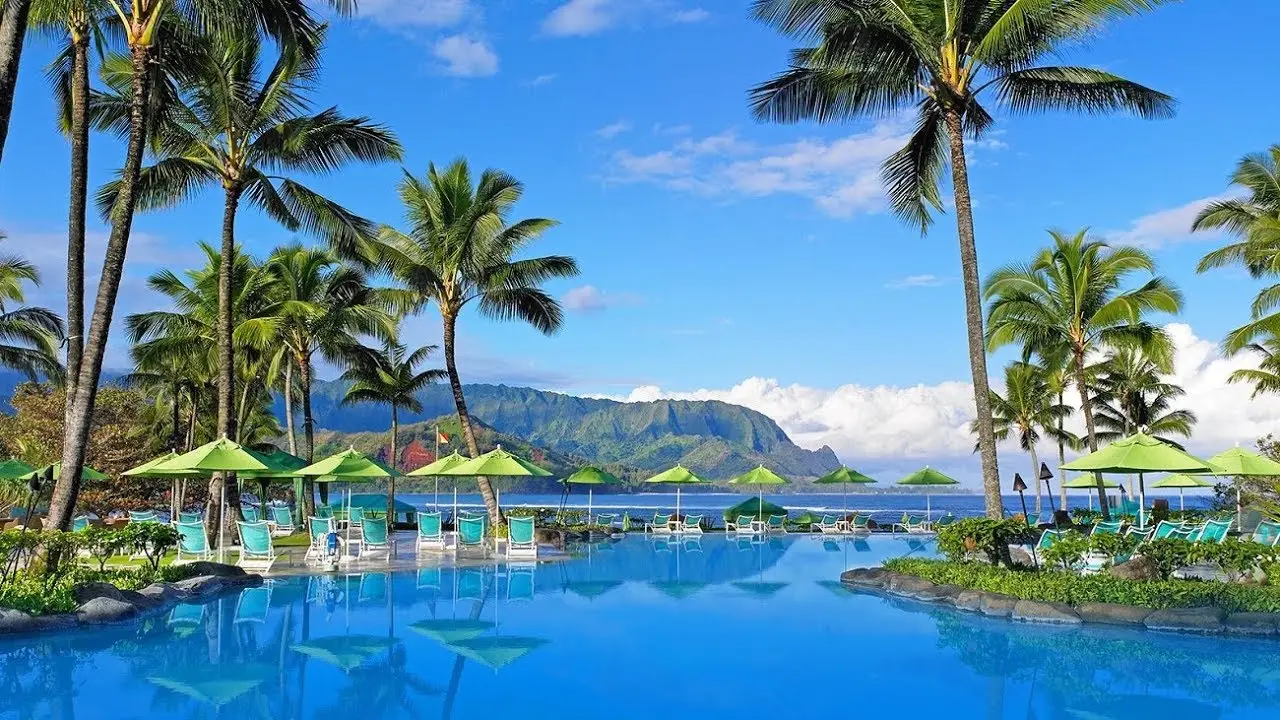
The St. Regis Princeville Resort
This iconic resort is located on the island of Kauai and offers guests a truly unforgettable Hawaiian experience. With a focus on luxury and comfort, the resort features spacious rooms and suites, each with their own private lanai, as well as a range of dining options and on-site activities.
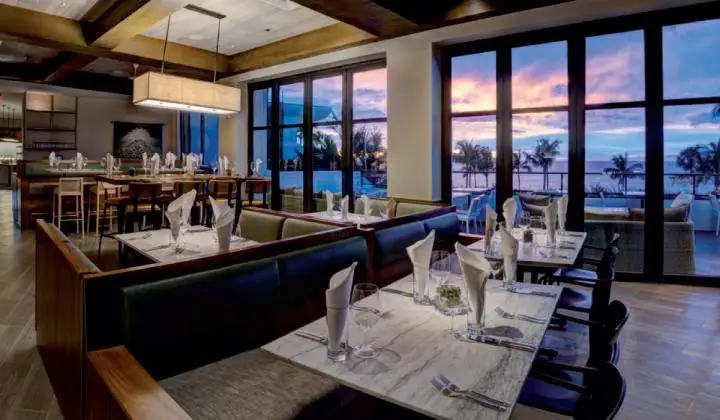
Roy's Hawaii
This popular restaurant is known for its unique blend of Hawaiian and Asian flavors, and offers a range of dishes including fresh seafood, steak, and poultry. With locations across the state, Roy's is a must-visit for anyone looking for delicious food and a truly unforgettable dining experience.
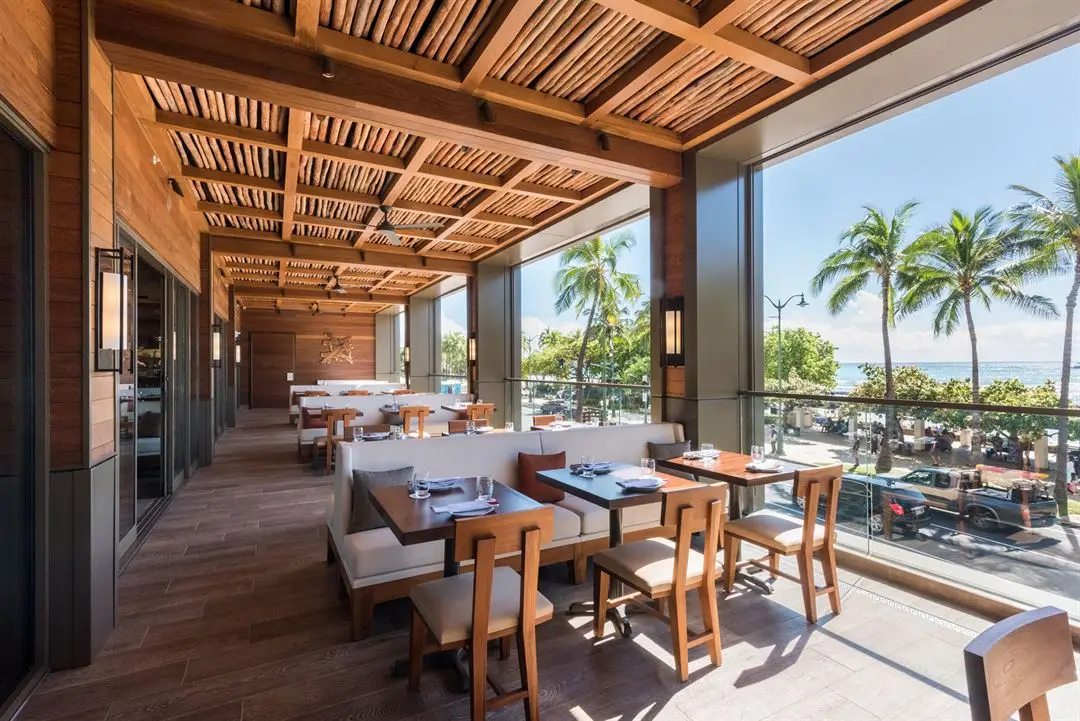
Morimoto Waikiki
This chic, modern restaurant is located in the heart of Waikiki and is a favorite among both locals and visitors. With a menu focused on contemporary Japanese cuisine, Morimoto Waikiki offers a range of dishes that are both creative and delicious.
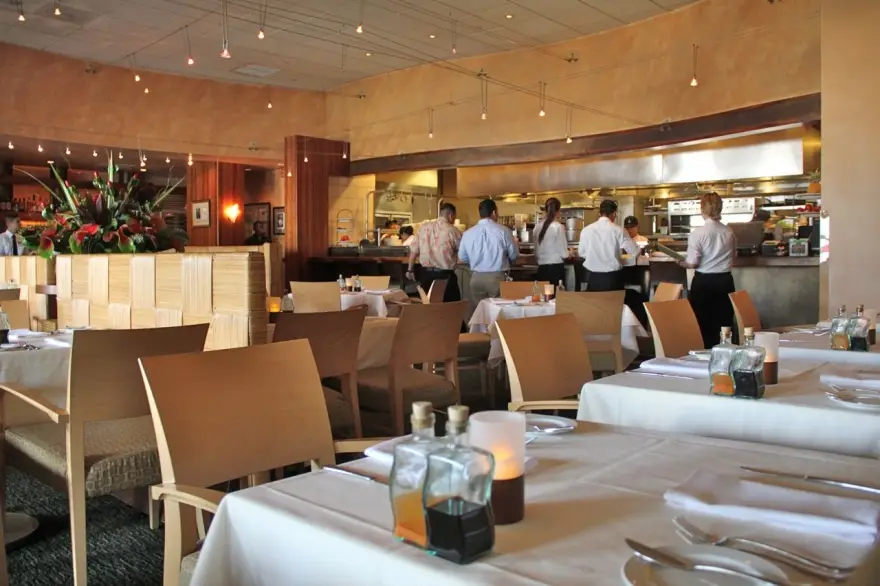
Alan Wong's Restaurant
This upscale restaurant is located in the heart of Honolulu and is considered one of the best restaurants in the state. With a menu that emphasizes fresh, locally-sourced ingredients and a blend of Hawaiian and Asian flavors, Alan Wong's Restaurant is a true culinary gem.