
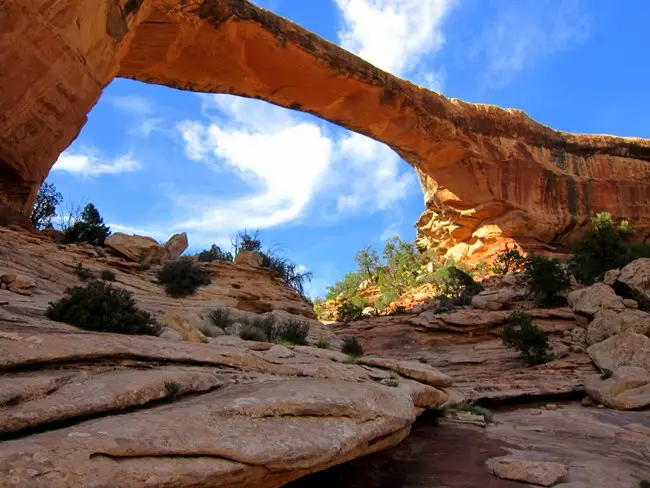
Natural Bridges National Monument
Natural Bridges National Monument is a geological wonder located in southeastern Utah, USA. It features three natural bridges, made of sandstone, that were carved over millions of years by the flowing waters of the nearby creek. The park offers stunning views of the bridges, as well as scenic hiking trails, picnic areas, and opportunities for wildlife viewing. It is a popular destination for photographers, hikers, and nature lovers. Visitors can also learn about the history and geology of the area at the visitor center.
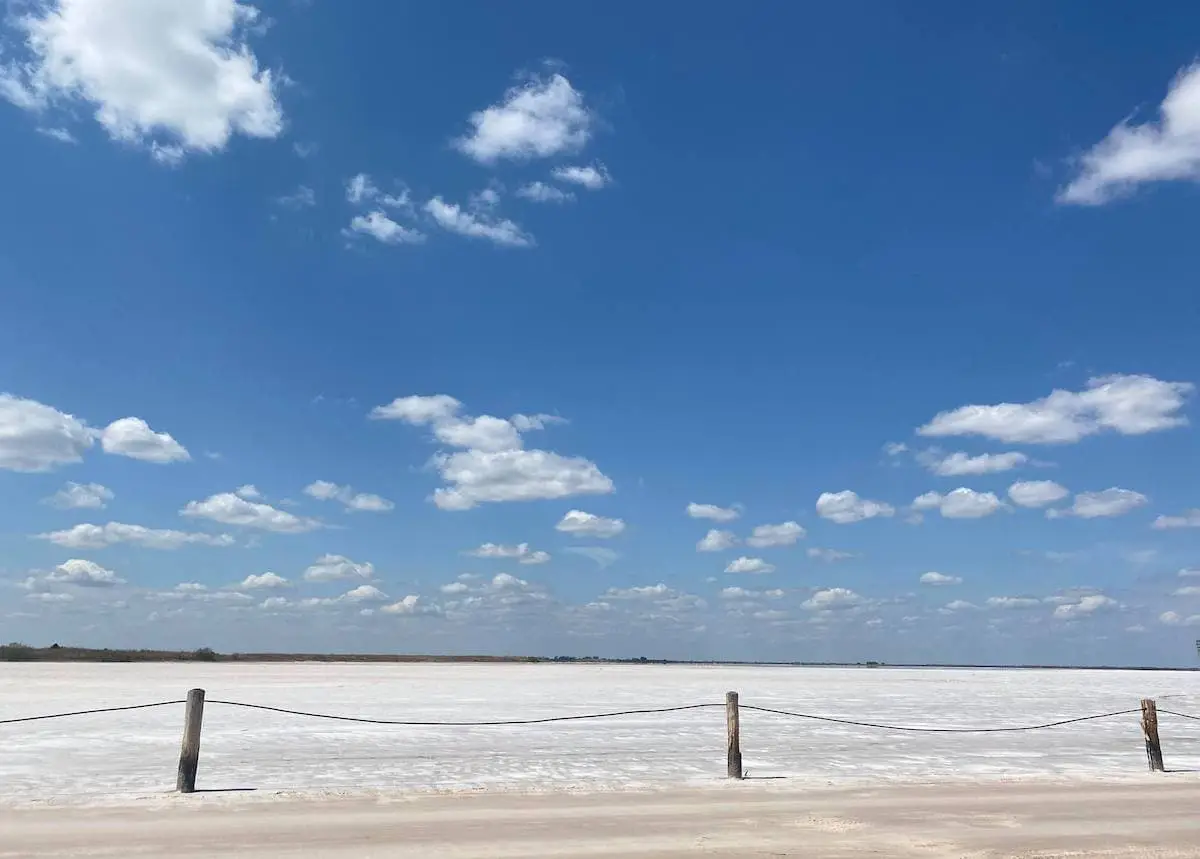
Great Salt Plains State Park
Great Salt Plains State Park is a unique park located in northwest Oklahoma, USA. The park is known for its large, salt-encrusted lake bed and the unique mineral formations found there. Visitors can collect selenite crystal formations and hunt for hourglass selenite. The park also features picnic areas, camping sites, and hiking trails. The lake bed is a popular destination for bird-watching and wildlife viewing, as many species of migratory birds use it as a stopover during their travels. Great Salt Plains State Park is a must-visit destination for those interested in geology, natural history, and outdoor recreation.
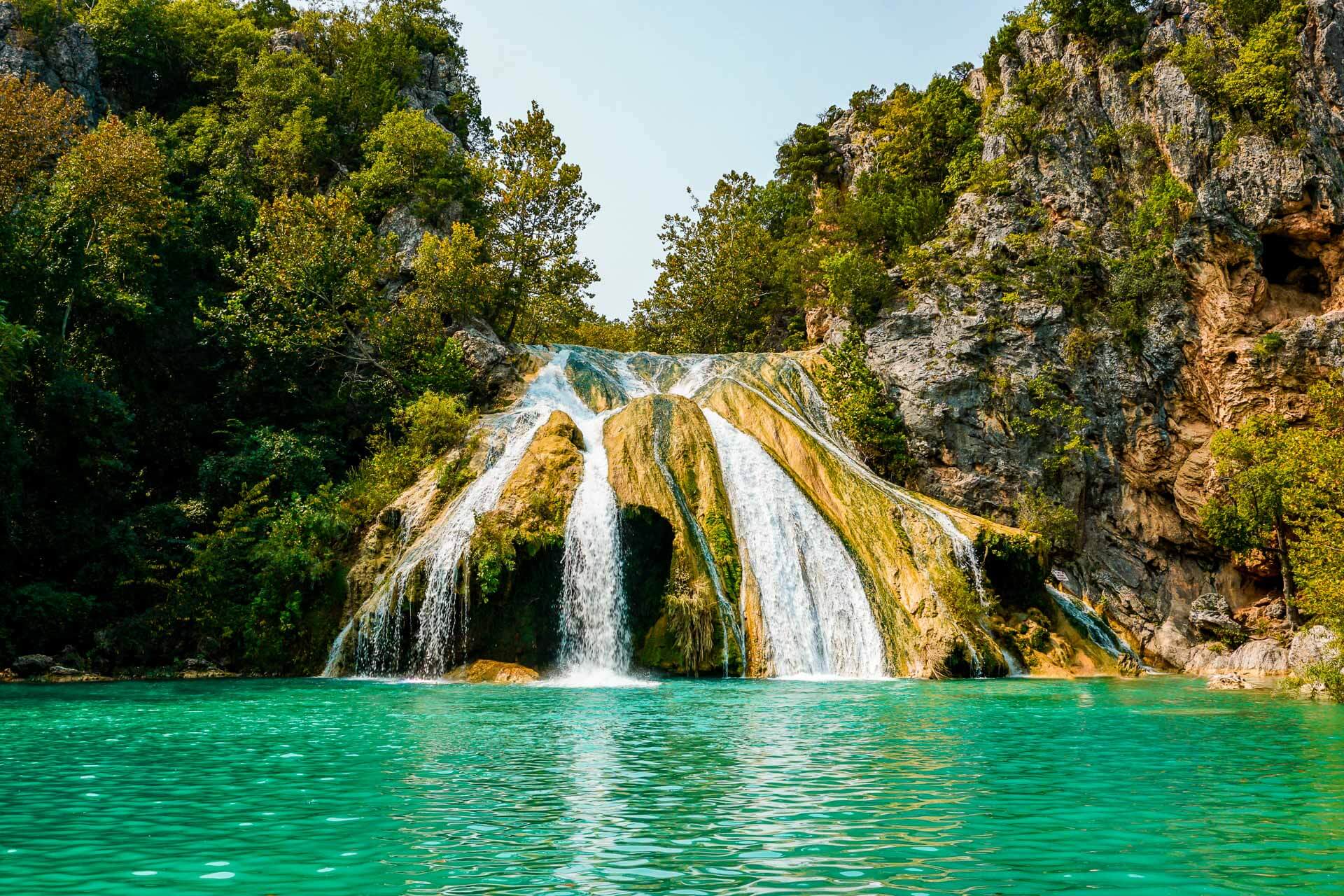
Turner Falls Park
Turner Falls Park is a popular park located in the Arbuckle Mountains of southern Oklahoma, USA. The park features a 77-foot waterfall, which is the largest in the state. Visitors can swim in the crystal-clear pool at the base of the falls or hike along the trails that lead to scenic overlooks. The park also offers picnic areas, camping sites, and cabins for overnight stays. In addition to the waterfall, Turner Falls Park is known for its natural beauty, including dense forests, rock formations, and diverse wildlife. It's a great destination for those looking for a peaceful escape in nature and outdoor recreation.

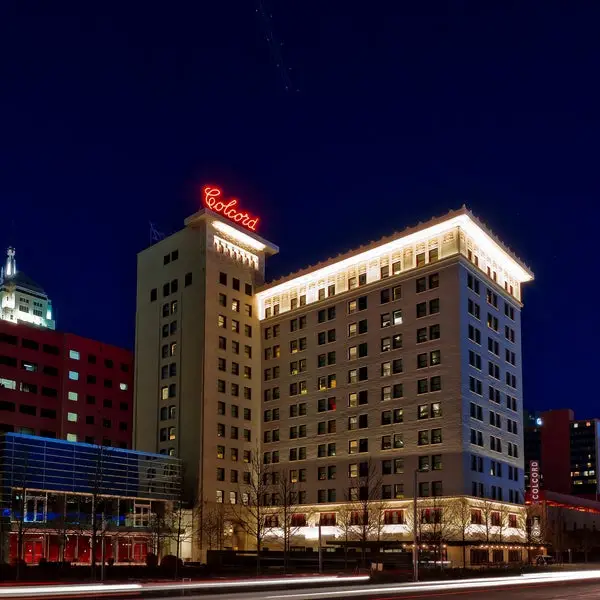
Colcord Hotel, Oklahoma City
Located in the heart of downtown Oklahoma City, the Colcord Hotel offers a luxurious stay with its elegant rooms, on-site restaurant, and stunning views of the city.
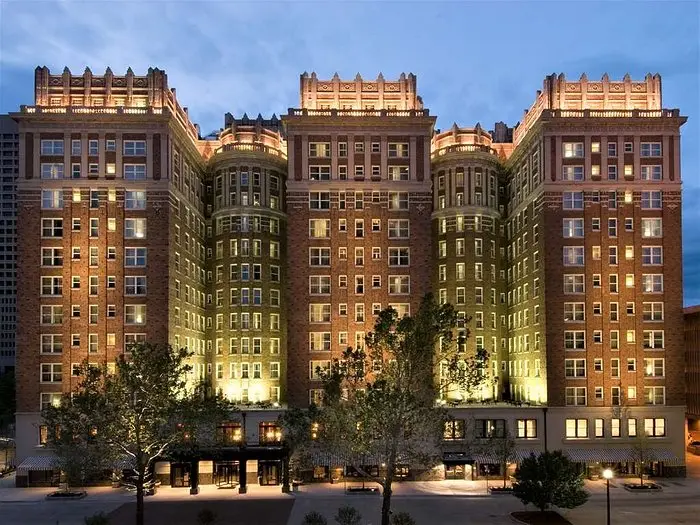
Skirvin Hilton, Oklahoma City
This historic hotel, dating back to 1911, is known for its elegance and sophistication. With its plush rooms, top-notch dining options, and central location, the Skirvin Hilton is a popular choice for travelers visiting Oklahoma City.
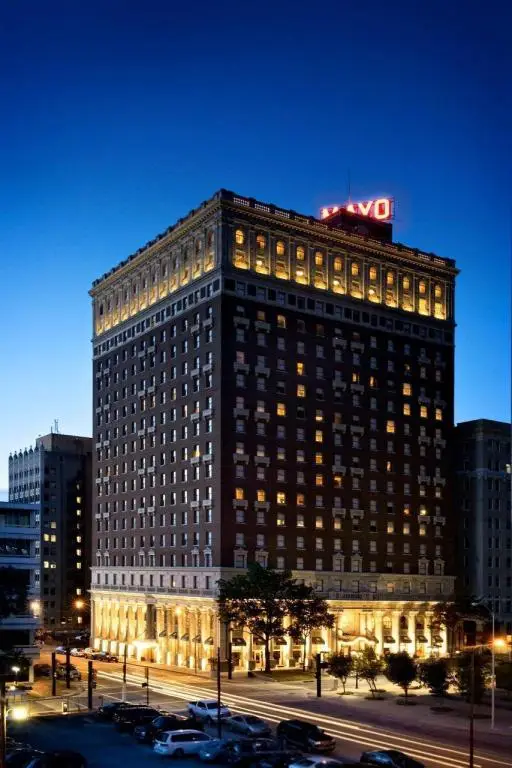
The Mayo Hotel
This iconic hotel, built in 1925, offers a blend of vintage charm and modern amenities. The Mayo Hotel's rooms are spacious and well-appointed, and the hotel's prime location in the heart of Tulsa makes it a popular choice for travelers.
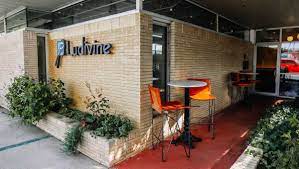
Ludivine
Located in Oklahoma City, Ludivine is a farm-to-table restaurant that offers an upscale dining experience with a focus on locally sourced ingredients.
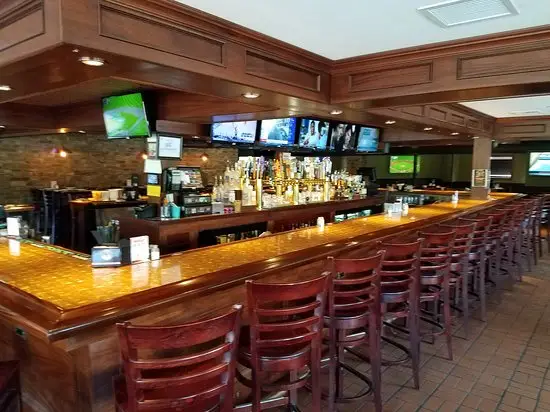
The Draughthouse
The Draughthouse in Tulsa is known for its extensive craft beer selection and hearty pub fare, making it a popular destination for beer lovers.
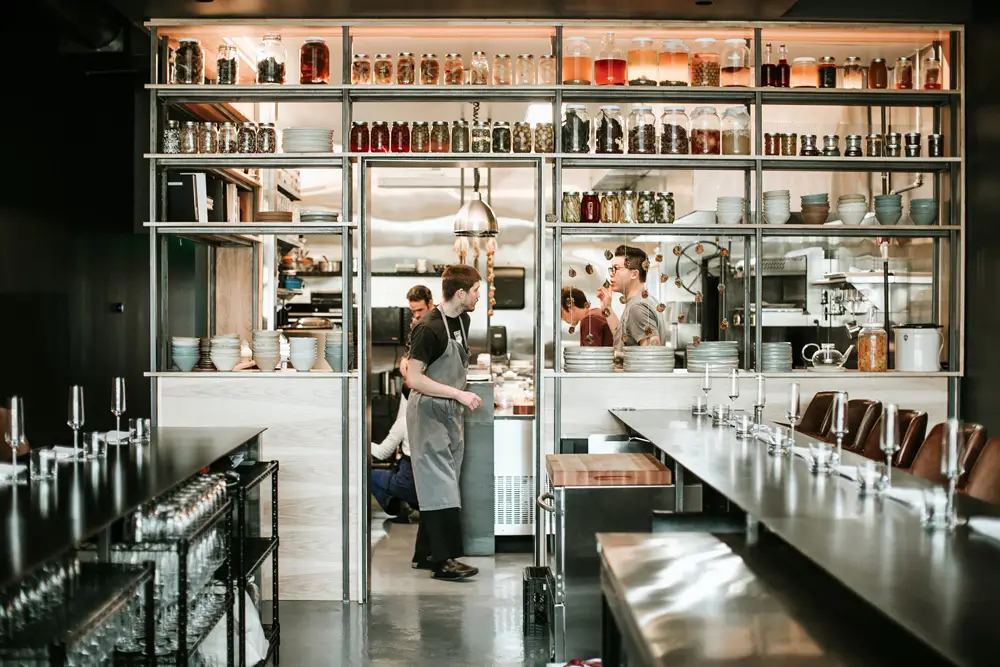
Nonesuch
Another Oklahoma City restaurant, Nonesuch is a fine-dining establishment that offers a multi-course tasting menu with a focus on seasonal ingredients and modern cooking techniques.