
Acadia National Park
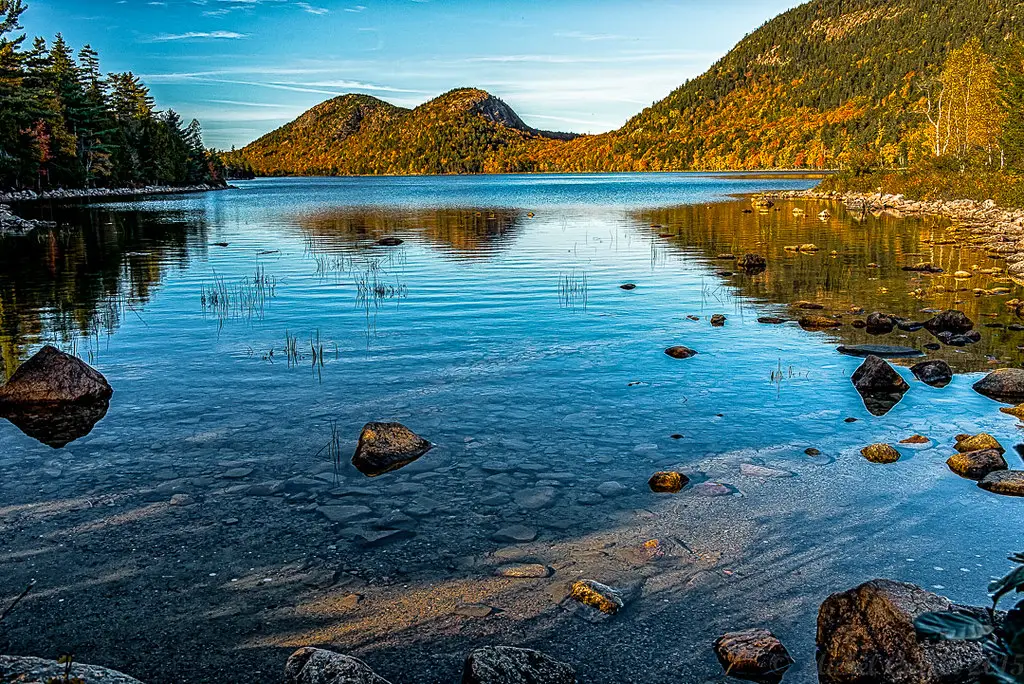
Acadia National Park is located on the coast of Maine, USA and is known for its diverse landscapes including mountains, lakes, and forests. It is home to various wildlife species and offers recreational activities such as hiking, camping, and wildlife viewing. The park also includes the historic village of Bar Harbor and is a popular tourist destination, attracting over 3 million visitors annually.
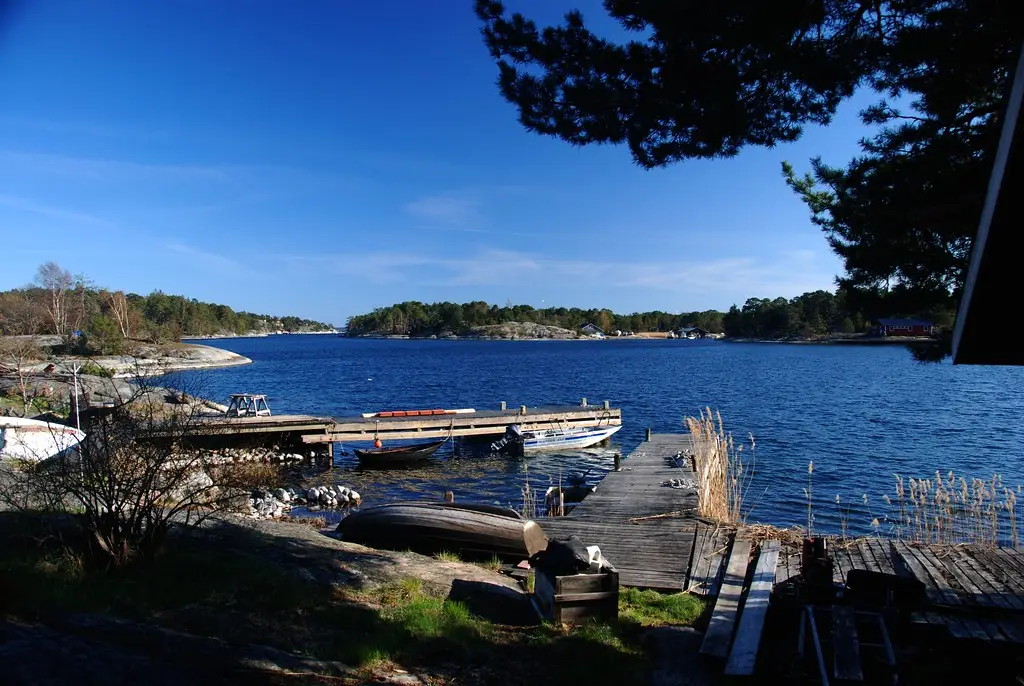
Bar Harbor
Bar Harbor is a coastal town in Maine, USA, known for its stunning natural beauty and proximity to Acadia National Park. The town attracts many visitors each year to explore its rugged coastline, scenic hikes, and diverse wildlife. Visitors can enjoy activities such as boating, kayaking, and whale watching, as well as dining on local seafood.
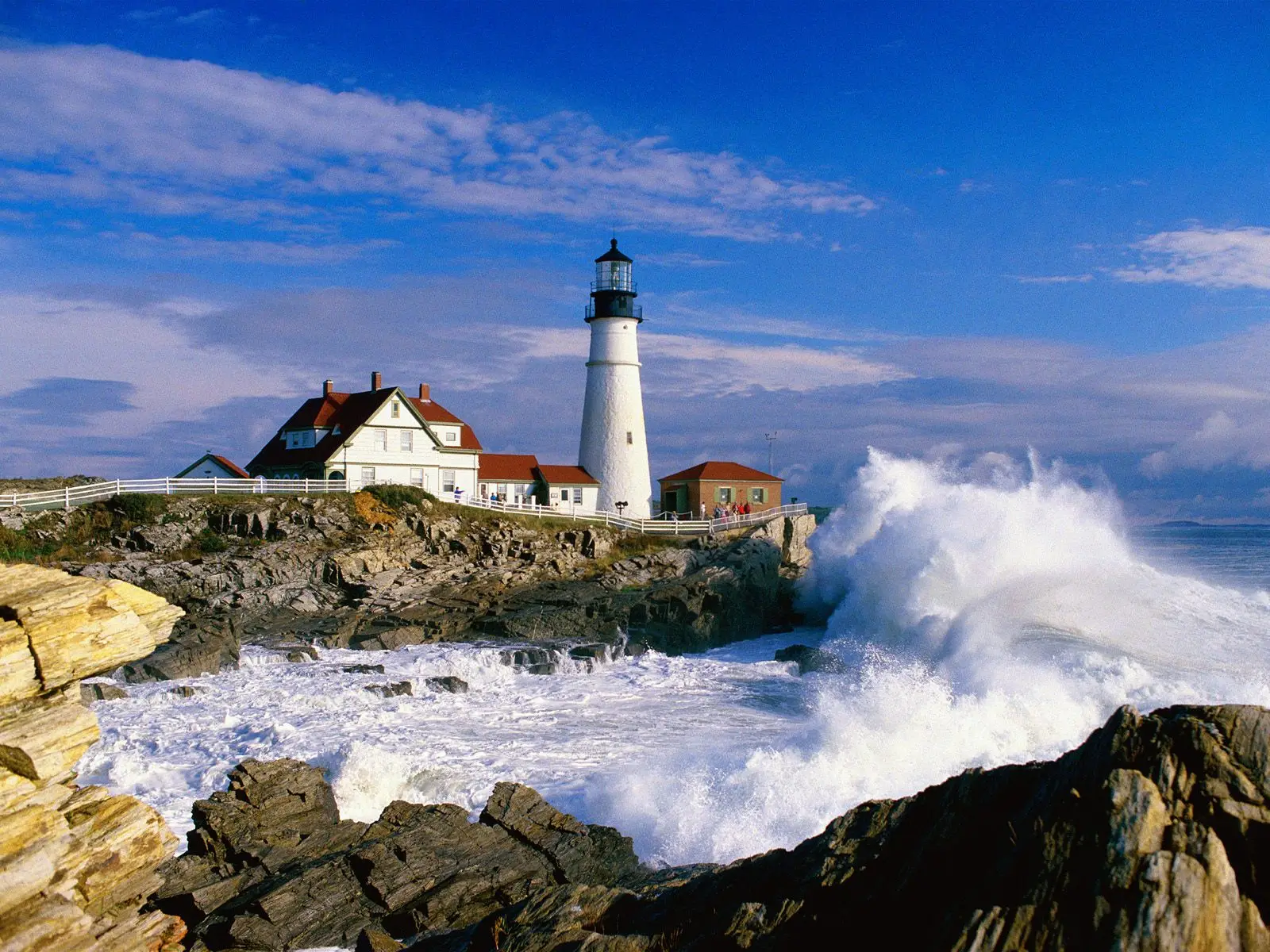
Portland Head Light
Portland Head Light is a historic lighthouse located in Cape Elizabeth, Maine, USA. It is one of the oldest and most photographed lighthouses in the country and is a popular tourist destination. The lighthouse, which dates back to 1791, sits atop a rocky cliff overlooking the Atlantic Ocean and offers stunning views of the coastline. Visitors can tour the lighthouse grounds and museum, walk along the nearby beaches, and enjoy picnics on the lawn.

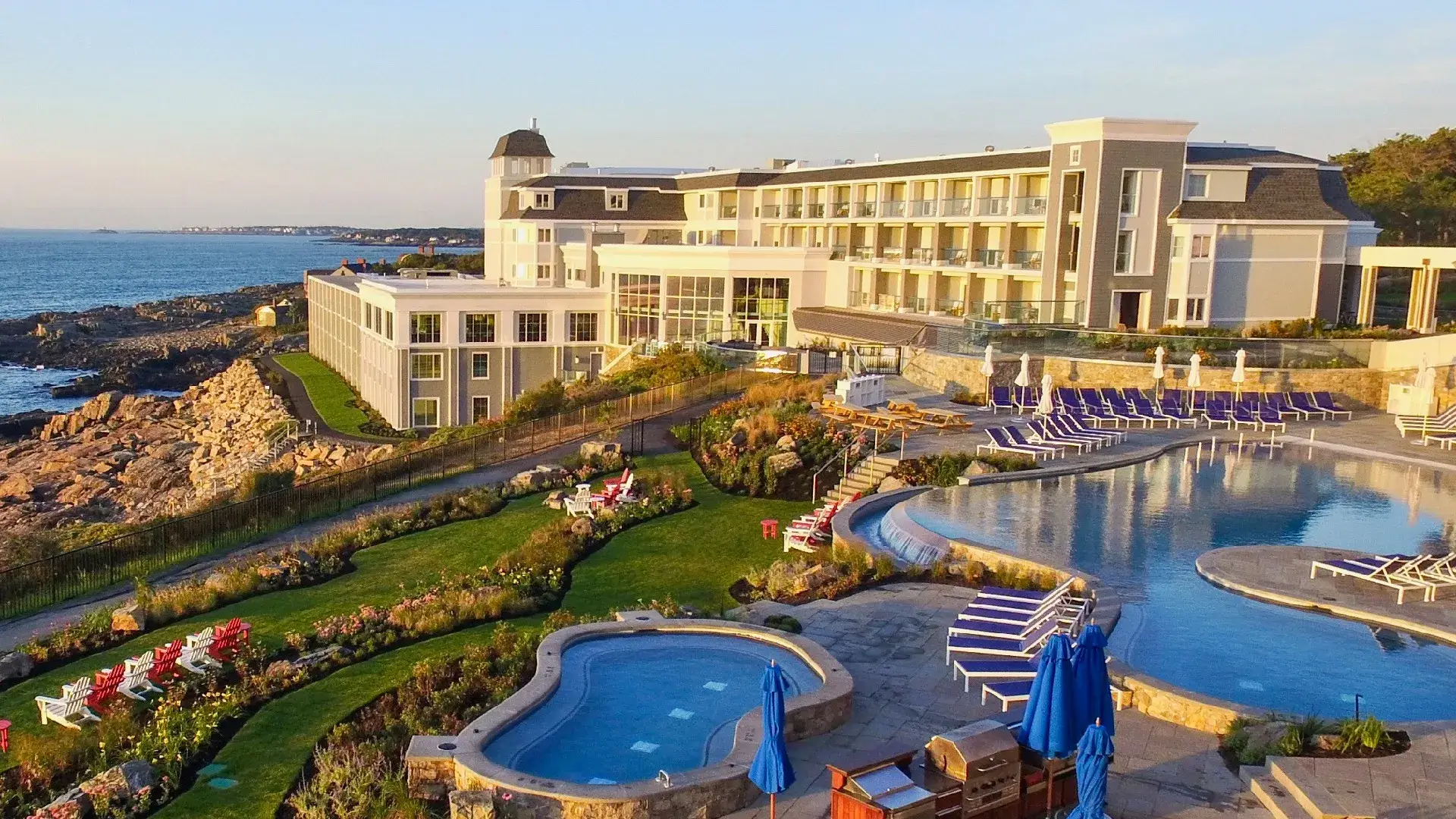
The Cliff House Resort & Spa
The Cliff House Resort & Spa is a luxurious oceanfront resort located in Cape Neddick, Maine. It features a wide range of accommodations, including rooms and suites with stunning ocean views.
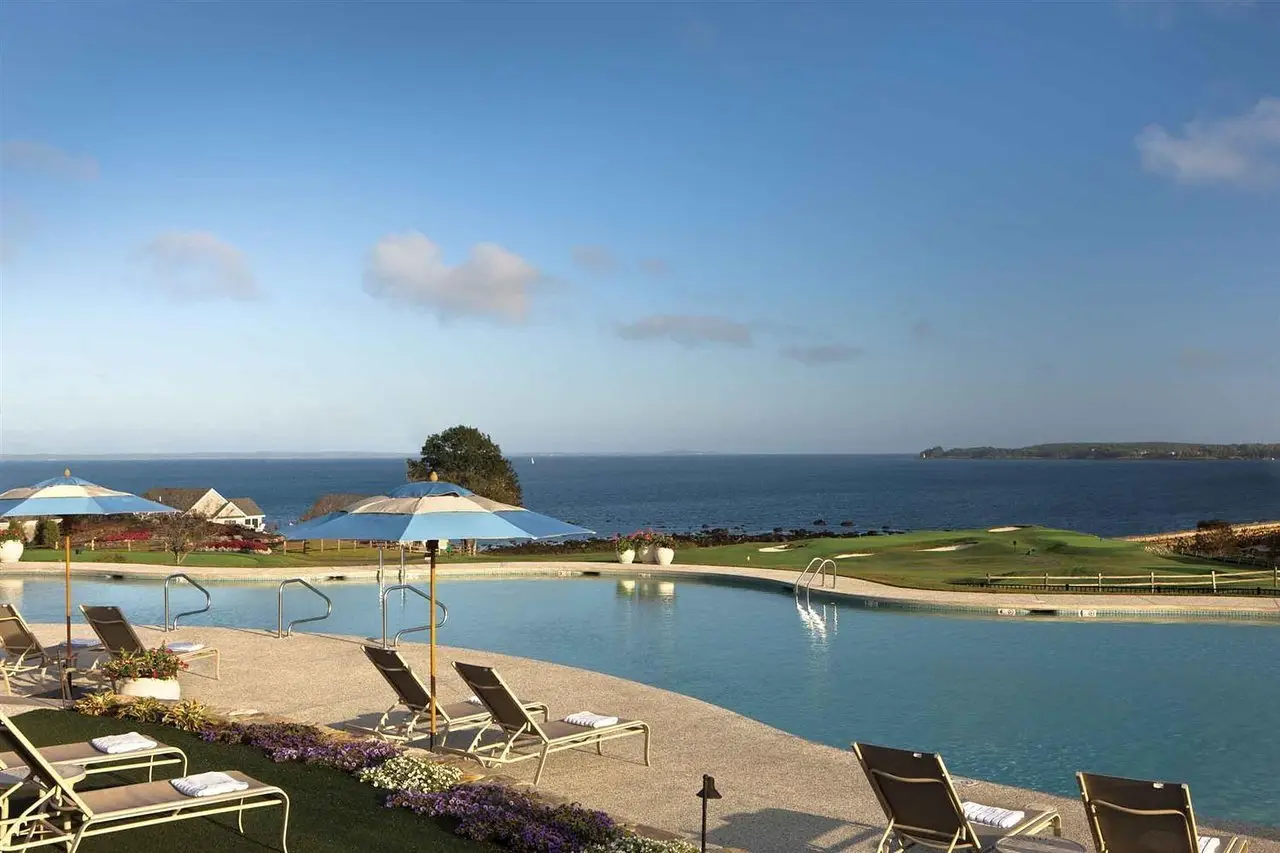
The Samoset Resort
The Samoset Resort is a classic, elegant resort located in Rockport, Maine. It offers a variety of rooms and suites, along with on-site dining options, a golf course, and a full-service spa.
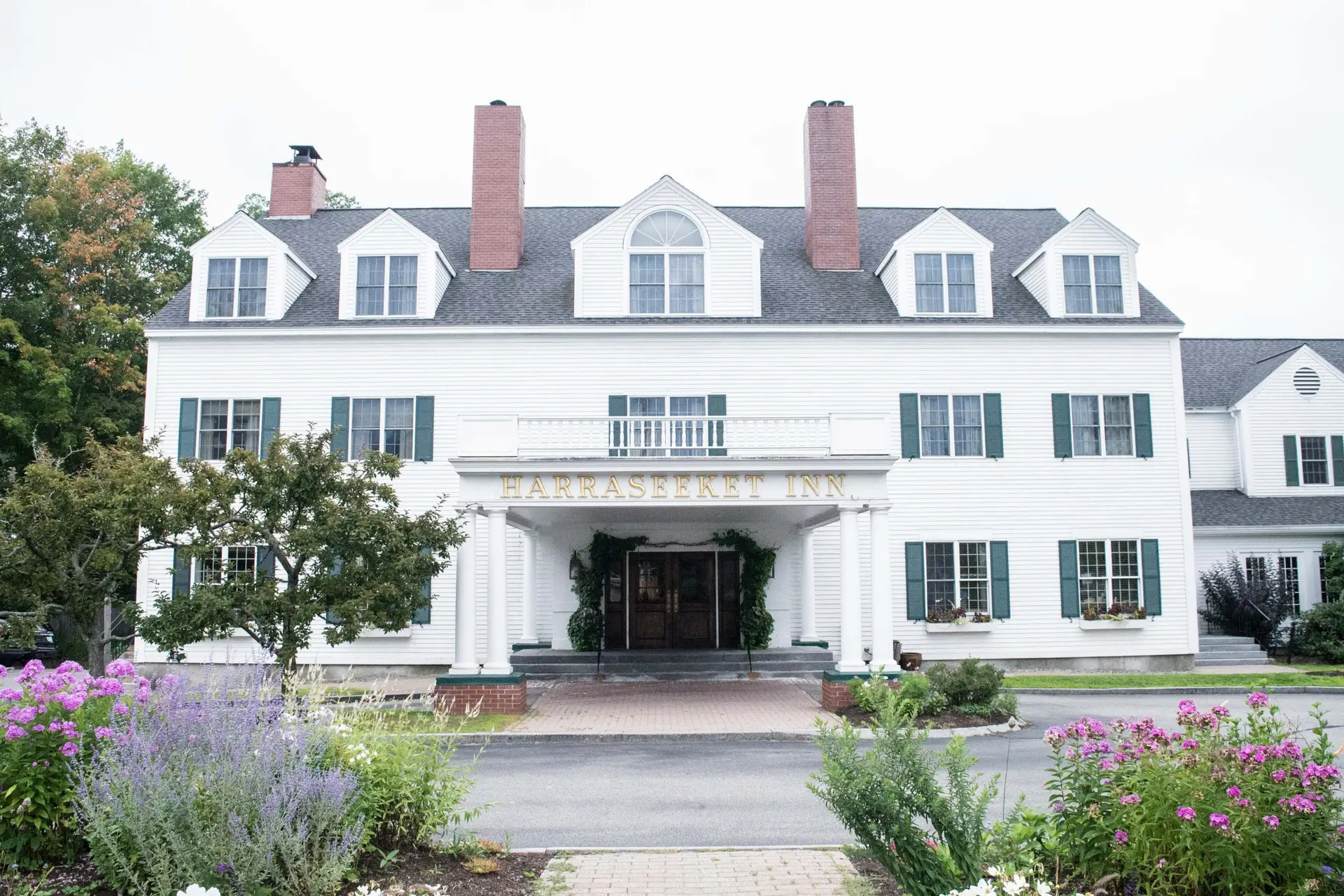
The Harraseeket Inn
The Harraseeket Inn is a charming, historic inn located in Freeport, Maine. It offers comfortable guest rooms, a restaurant, and a variety of activities, including whale watching and fishing trips.
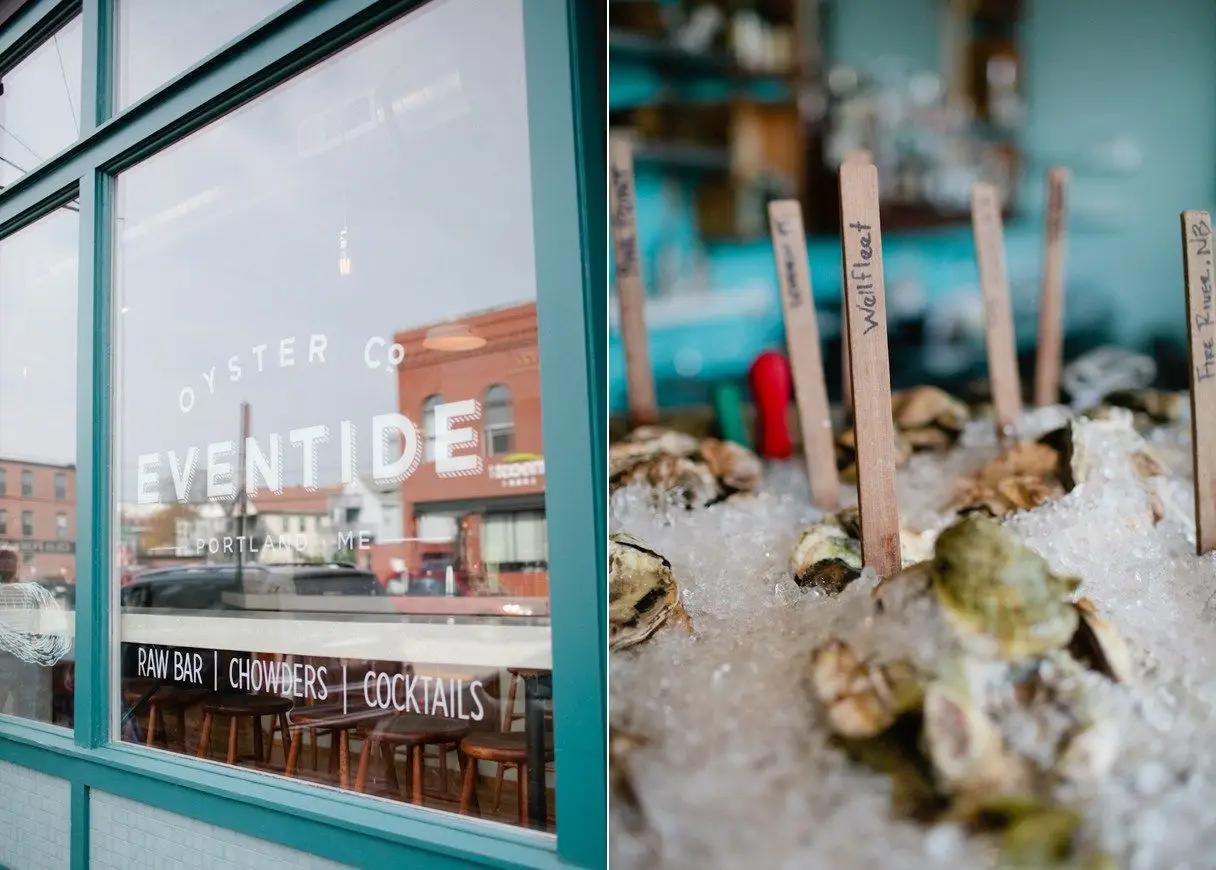
Eventide Oyster Co
Eventide Oyster Co. is a seafood restaurant located in Portland, Maine. It's known for its fresh, local seafood, including oysters, lobster, and other shellfish.
Fore Street Restaurant
Fore Street Restaurant is a farm-to-table restaurant located in Portland, Maine. It's known for its innovative cuisine, which is made with locally-sourced, seasonal ingredients.
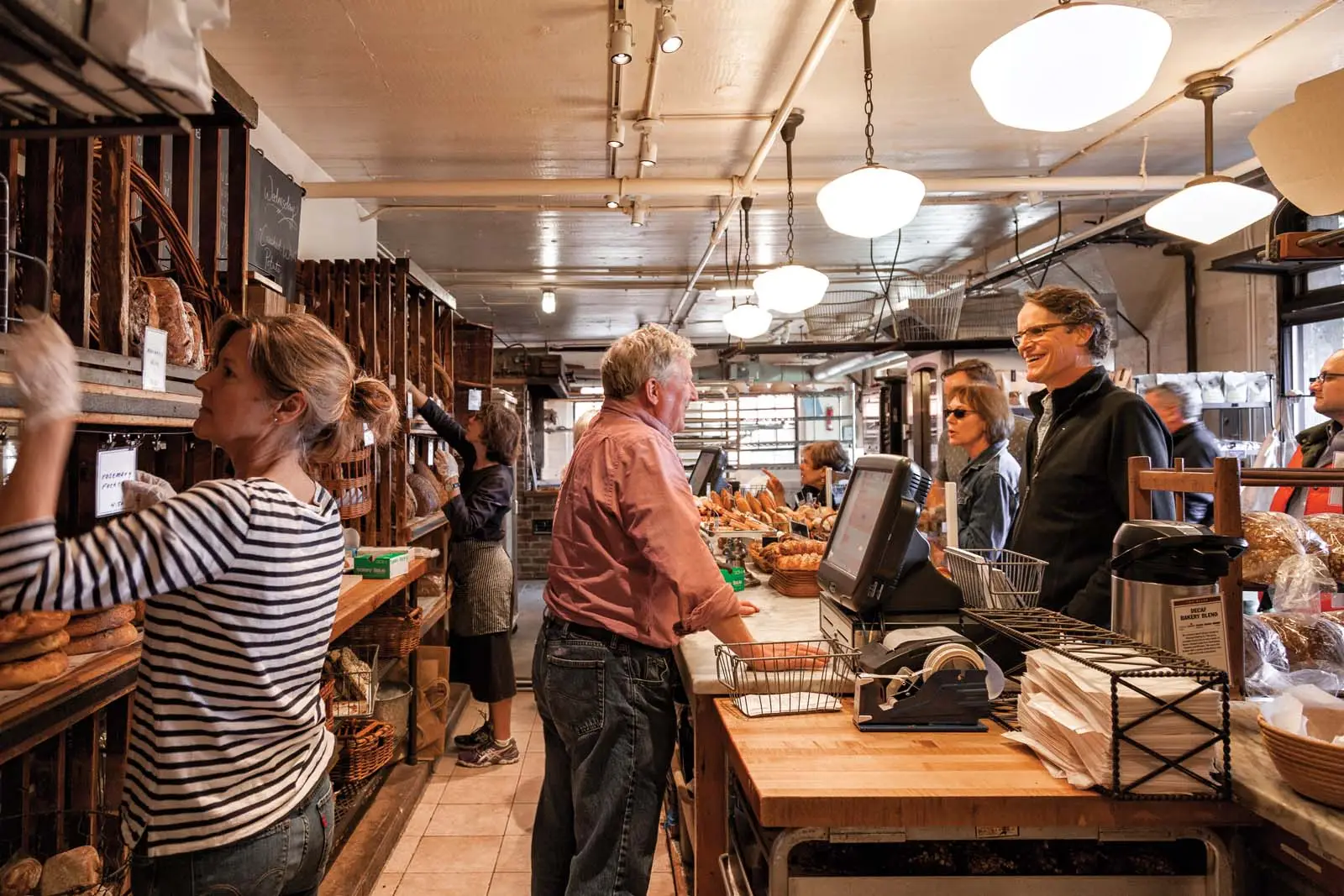
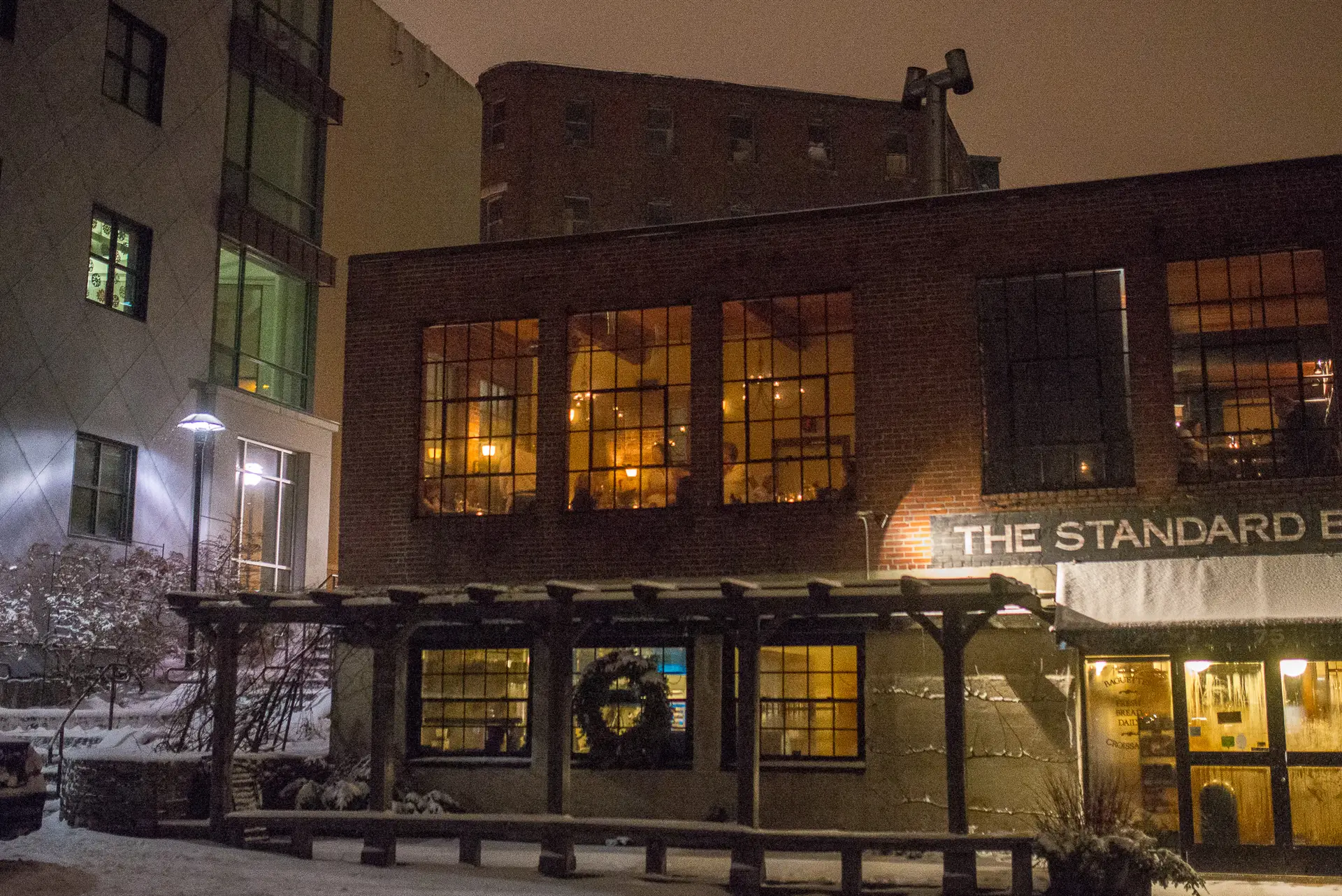
Standard Baking Co
Standard Baking Co. is a bakery and café located in Portland, Maine. It's famous for its delicious baked goods, including breads, pastries, and desserts.