
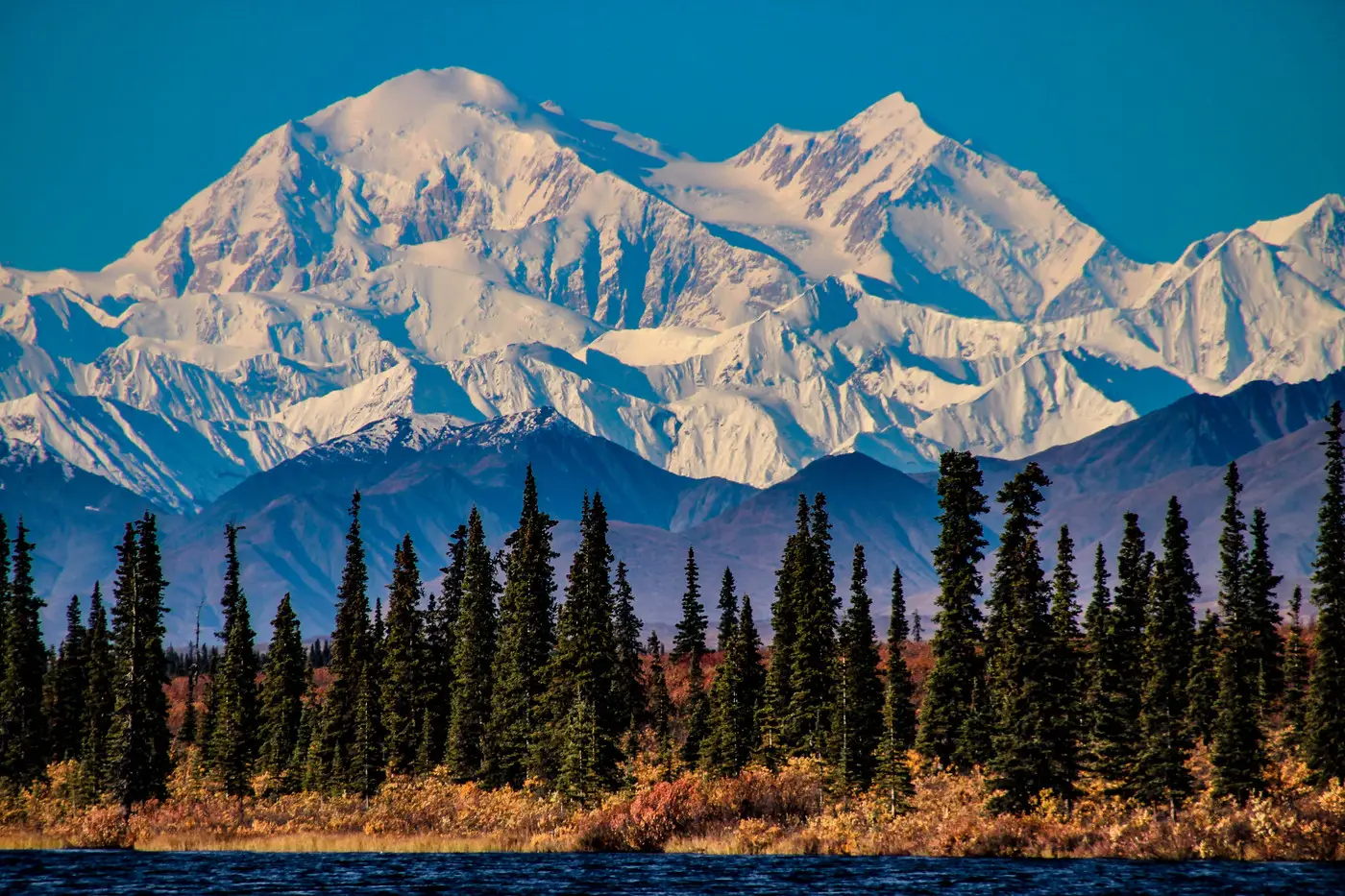
Denali National Park
Known for its stunning mountain landscapes and abundant wildlife, including grizzly bears, caribou, and moose.
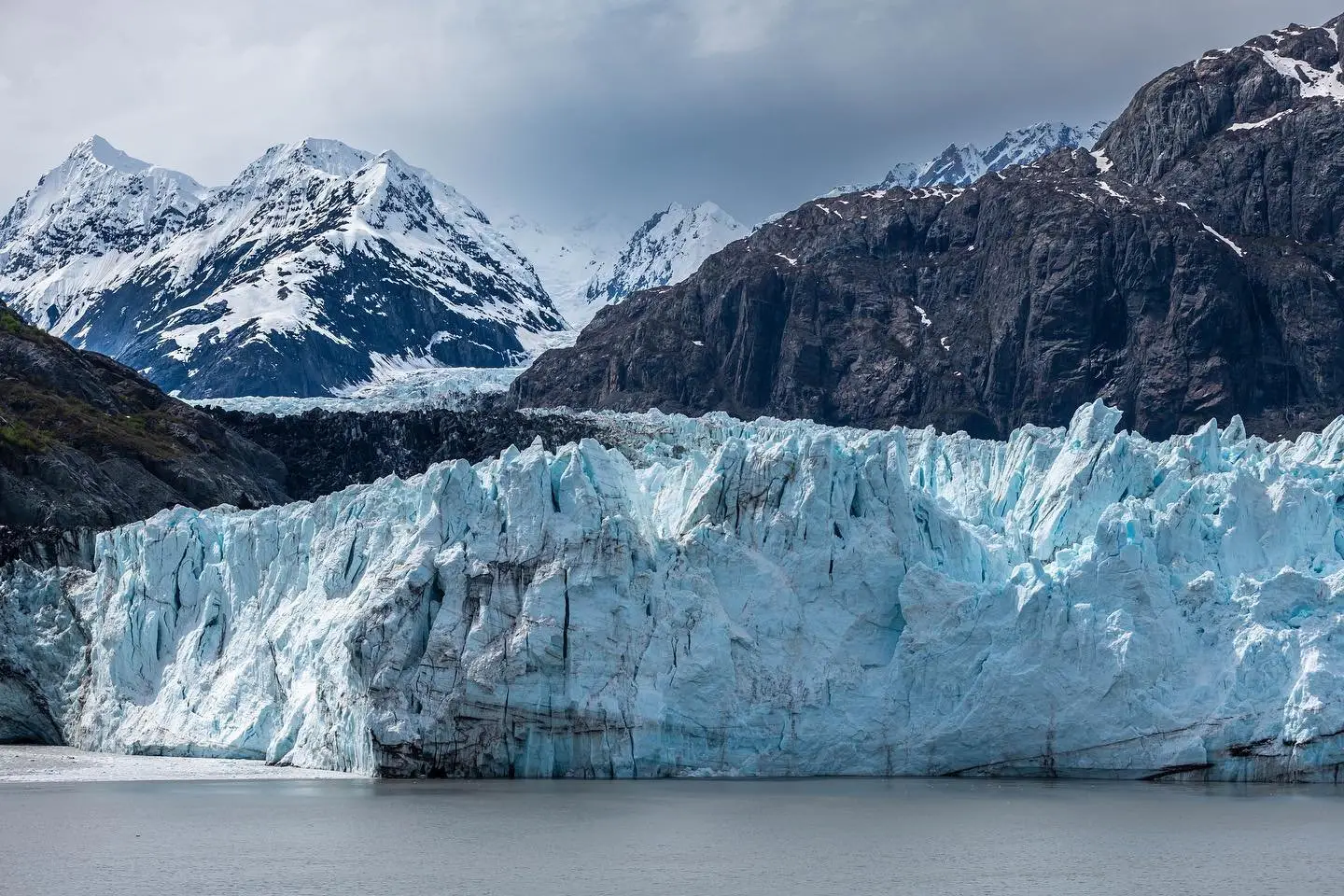
Glacier Bay National Park
A remote wilderness area of glaciers, ice fields, fjords, and coastal mountains.

ALASKA

WELCOM TO ALASKA

Entry Into Confederation

CAPITAL AND LARGEST CITY
Juneau
AREA
1,720,000 km2
POPULATION (2020)
731,545
official language
English86,3%ALASKA5,2%

Popular

Geography and Tourist Attractions

Information about the canton's tourist attractions, including popular destinations, events, and activities.

Denali National Park and Preserve

Denali National Park and Preserve is a vast wilderness area located in Alaska, famous for its tallest peak, Mount Denali (previously known as Mount McKinley), and abundant wildlife including grizzly bears, caribou, and moose. Visitors can explore the park through hiking, backpacking, camping, and scenic drives. The park offers breathtaking views of the Alaskan wilderness and a unique opportunity to experience the natural beauty of the region.
Glacier Bay National Park and Preserve

Denali National Park and Preserve is a vast wilderness area located in Alaska, famous for its tallest peak, Mount Denali (previously known as Mount McKinley), and abundant wildlife including grizzly bears, caribou, and moose. Visitors can explore the park through hiking, backpacking, camping, and scenic drives. The park offers breathtaking views of the Alaskan wilderness and a unique opportunity to experience the natural beauty of the region.
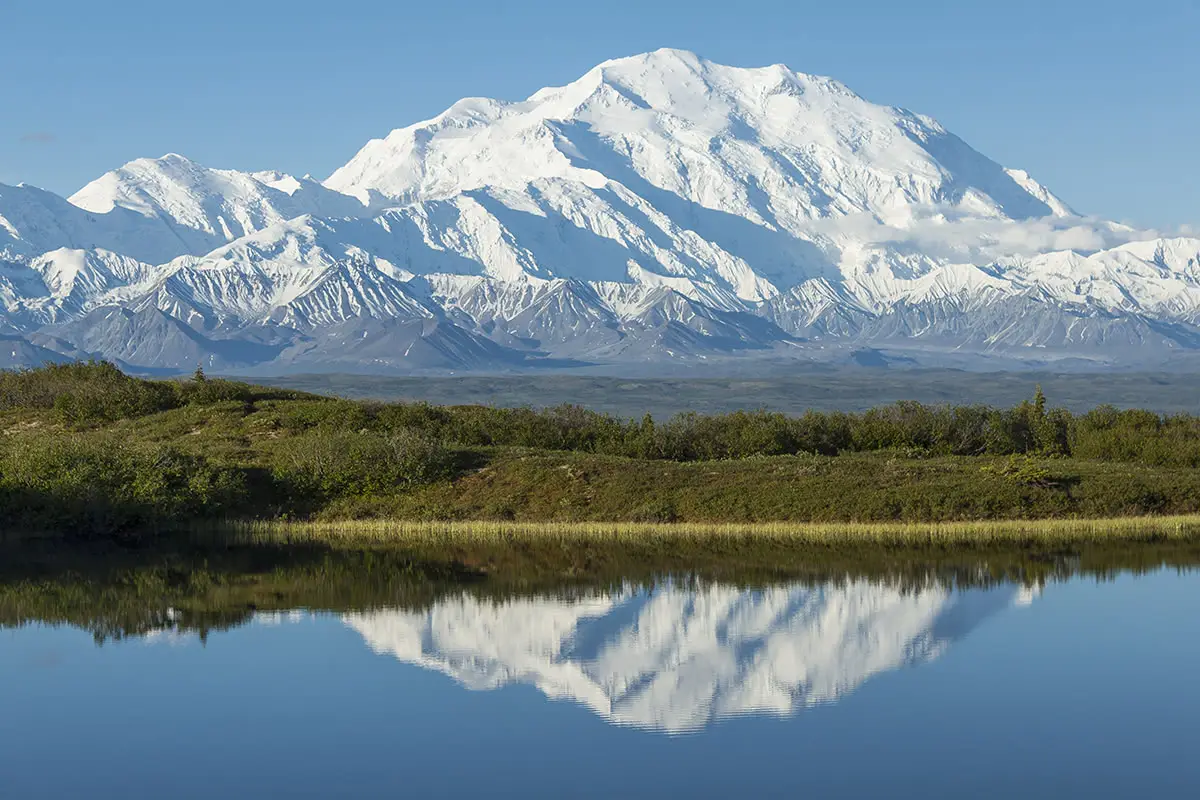
The Alaska Range

The Alaska Range is a mountain range in Alaska stretching over 700 miles, featuring North America's highest peak, Mount Denali. It is known for its stunning landscapes, including glaciers, tundra, and forests. The Alaska Range offers opportunities for outdoor activities such as hiking, camping, and mountaineering, as well as scenic views and wildlife watching. It is a popular destination for nature lovers and outdoor enthusiasts, drawing visitors from around the world.
Political

Economy and Government

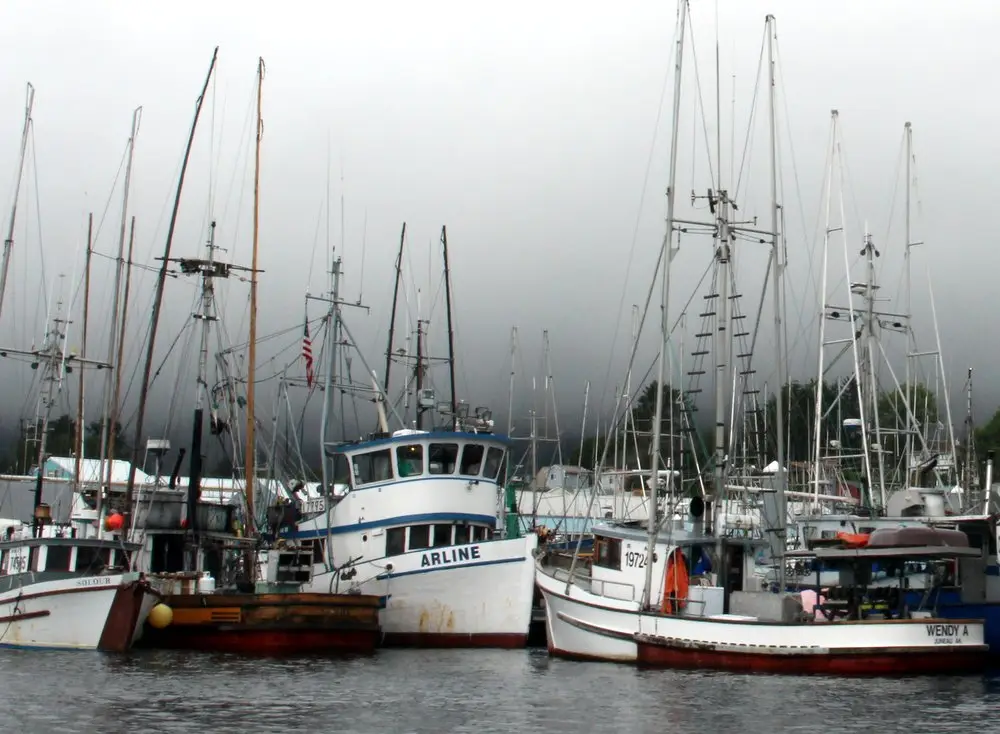
The economy of Alaska is primarily driven by natural resources such as oil, fishing, and tourism. The state is the largest oil-producing state in the US and oil revenues provide a significant portion of its budget. The fishing industry, producing seafood such as salmon, also plays a role in the economy. Alaska's scenic beauty and diverse wildlife attract millions of tourists each year, further boosting the state's economy.

Alaska is a US state with a democratic form of government, governed by a constitution similar to the other 49 states. The state has a governor and a legislative branch consisting of a Senate and a House of Representatives. The state also has a judiciary branch and various state and local agencies. Unlike other states, Alaska has a high degree of local autonomy, with many decisions made by boroughs and cities. The state also recognizes Native American tribes, which have their own governance structures.

In terms of government, Geneva operates as a democratic republic with a multi-party system. The canton has its own constitution and a legislature that consists of a single chamber, the Grand Council. The Grand Council is responsible for passing laws and regulations that apply specifically to the canton. The executive branch of the canton's government is the Council of State, which is composed of seven members and is responsible for executing laws and overseeing the administration of the canton.

In addition to its strong economy and well-developed government, Geneva is also known for its high standard of living and quality of life. The canton has a well-educated population, excellent healthcare system, and a range of cultural and recreational amenities that make it a popular place to live and work. With its favorable business climate, rich history, and vibrant cultural scene, Geneva is a top destination for both local and international residents.

History

History and Culture


Alaska has a rich and diverse history, dating back thousands of years to the indigenous peoples who first inhabited the region. Russian explorers arrived in the late 18th century, and Alaska became a US territory in 1867 through the Alaska Purchase. The discovery of gold in the late 19th century brought a wave of immigration, and Alaska became a US state in 1959.

Alaska's indigenous peoples, including the Tlingit, Haida, and Yup'ik, have a rich cultural heritage, with traditions passed down through generations. The state's Native culture is intertwined with its history and continues to play an important role in Alaska's identity today.

In addition to its Native cultures, Alaska has a diverse population, including immigrants from around the world. This diversity is reflected in the state's cultural events and traditions, including the annual World Eskimo-Indian Olympics, the Iditarod sled dog race, and the Alaska State Fair. These events showcase the state's rich history and cultural heritage, and provide opportunities for residents and visitors to celebrate and learn about Alaska's unique and diverse cultural identity.

TOP HOTELS​

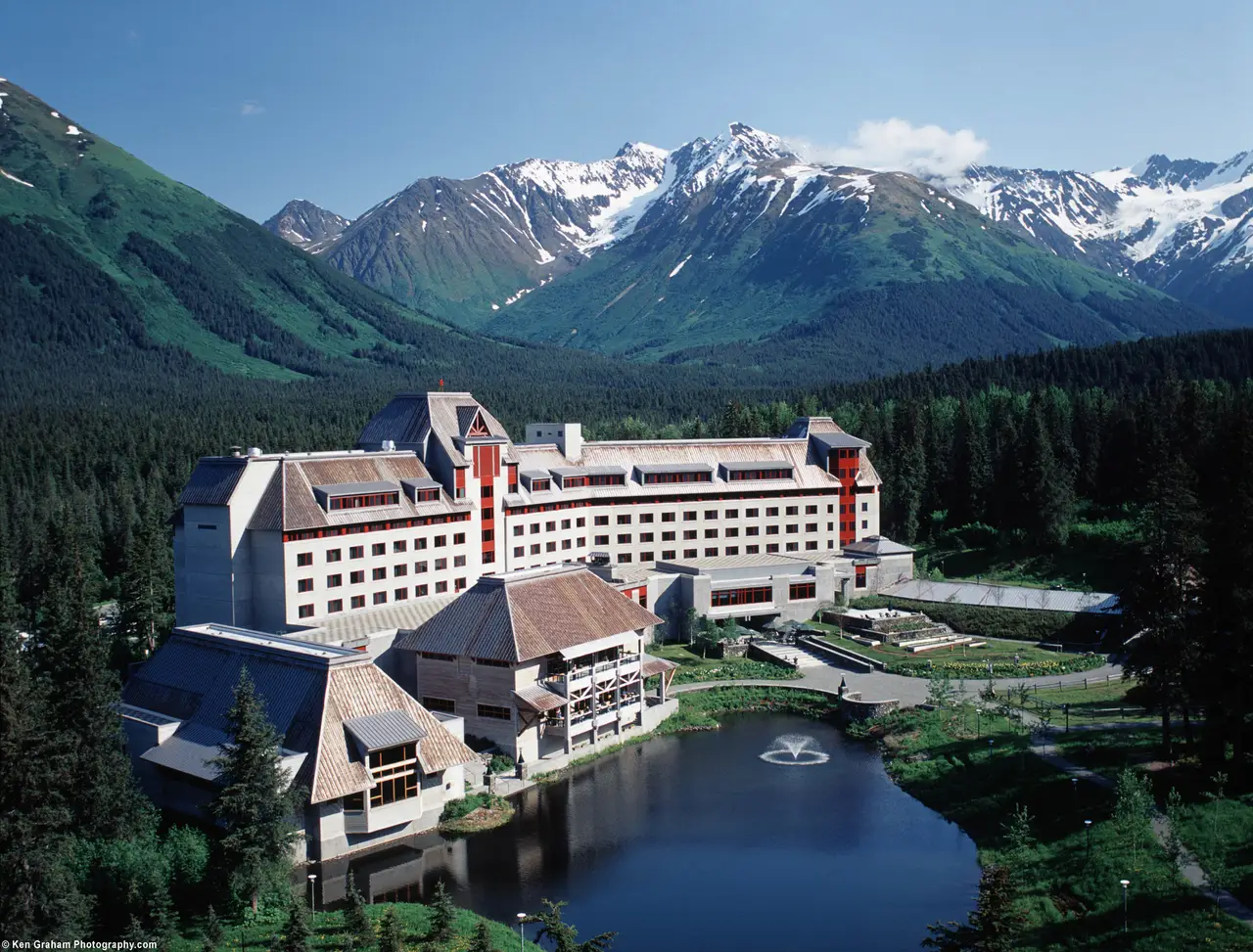
The Hotel Alyeska

A luxury ski resort in Girdwood, Alaska with stunning mountain views and a variety of on-site activities
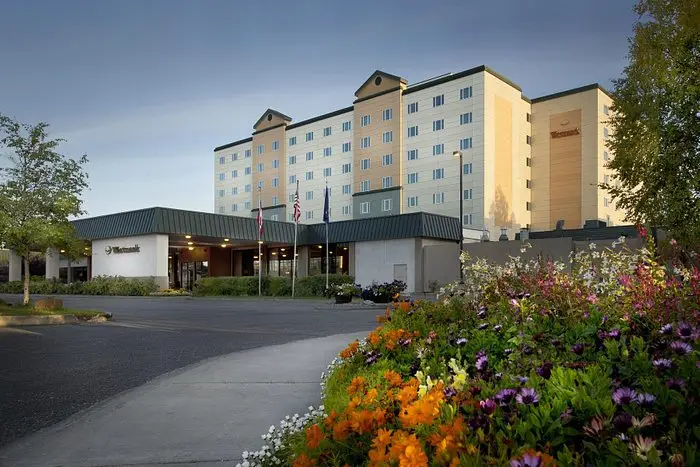
The Westmark Fairbanks Hotel

A centrally located hotel in Fairbanks with a restaurant, lounge, and fitness center.
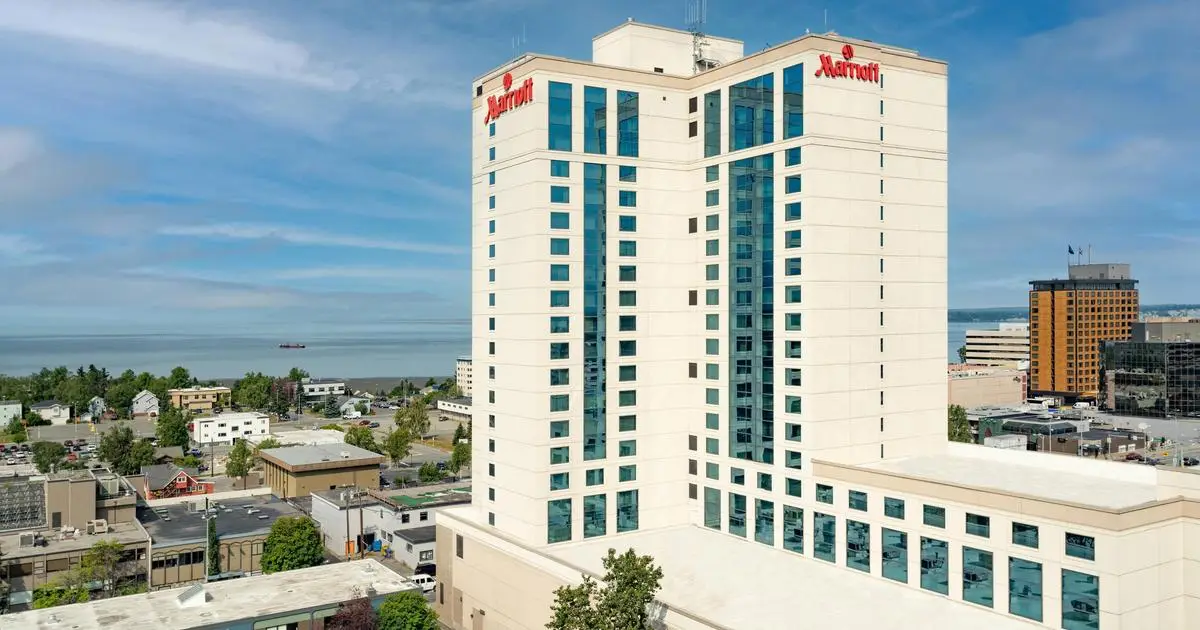
The Anchorage Marriott Downtown

A modern hotel in downtown Anchorage with a fitness center, restaurant, and convenient location near popular attractions.

RESTAURANTS​

The King and I Thai Cuisine

A Thai restaurant in Anchorage known for its authentic flavors and friendly service.
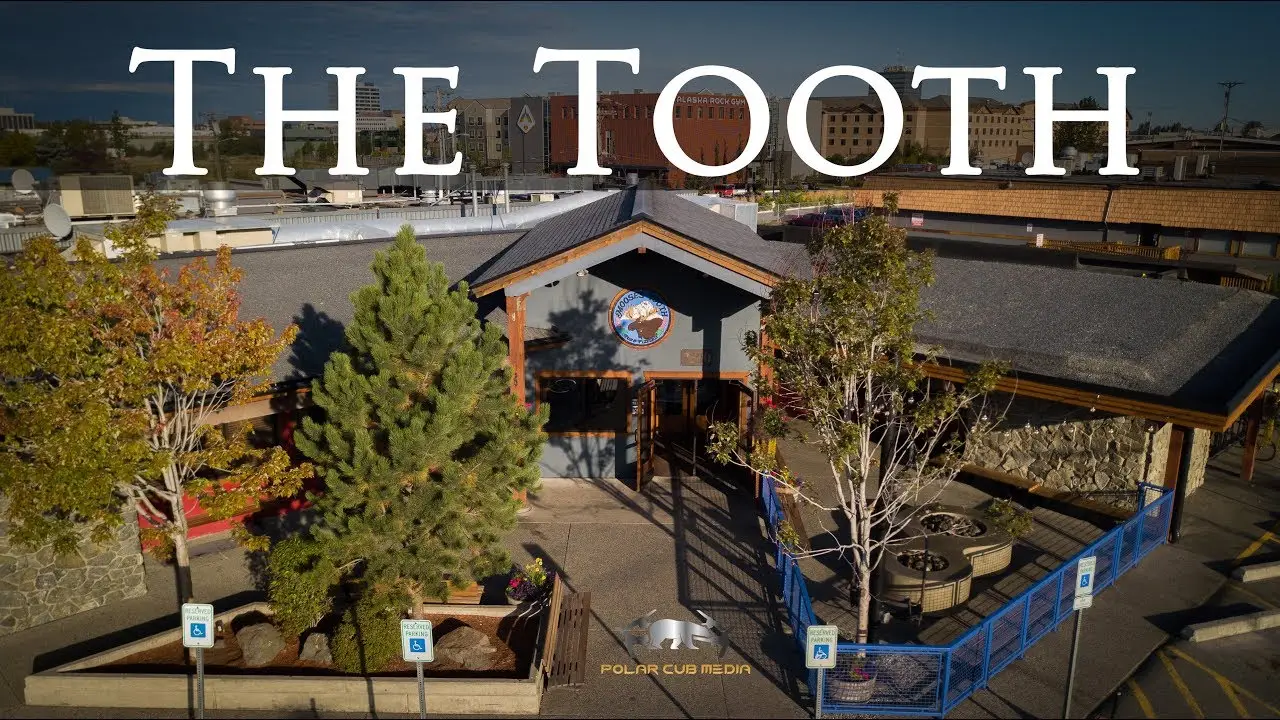
Moose's Tooth Pizza

A popular pizzeria in Anchorage with a wide selection of specialty pizzas and brews.
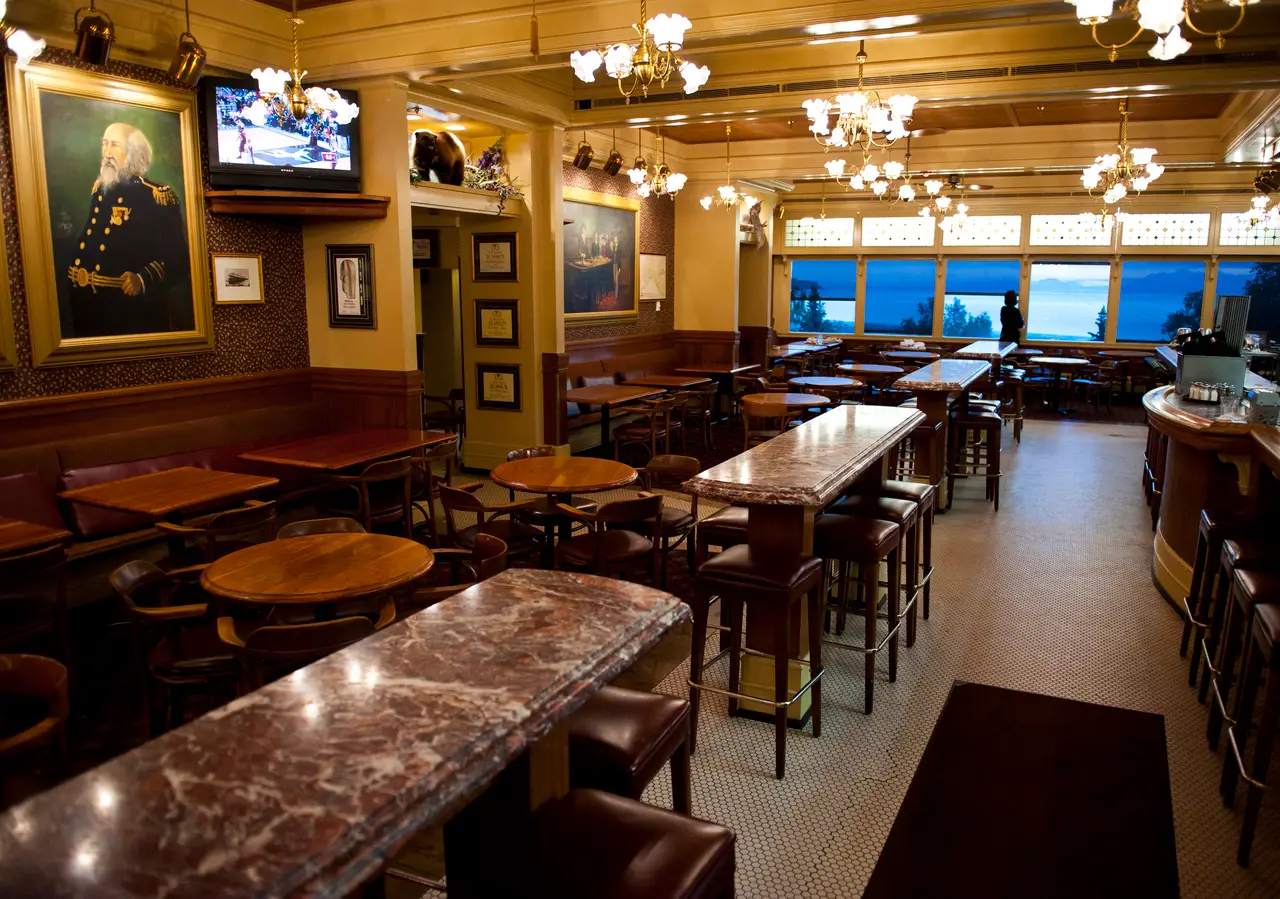
Simon & Seafort's

An upscale restaurant in Anchorage offering fine dining and breathtaking views of Cook Inlet.
Scroll to Top