

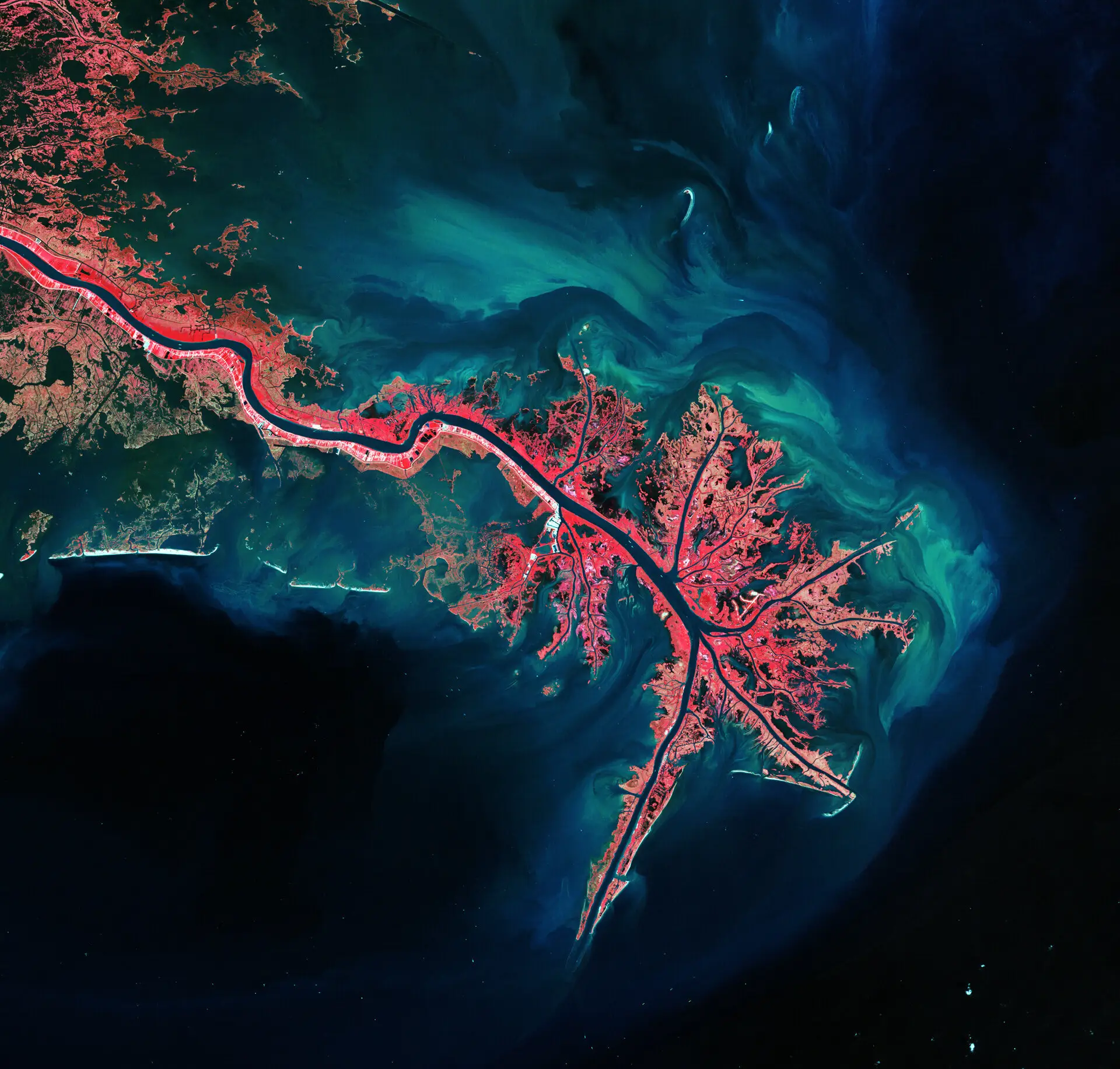
Mississippi River Delta
The Mississippi River Delta is a vast and dynamic region located in southeastern Louisiana, where the Mississippi River meets the Gulf of Mexico. It is home to some of Louisiana's most important wildlife habitats, including birding trails and alligator habitats, and is also an important area for oil and gas production, shipping, and fishing. The delta is constantly changing due to sedimentation from the river and coastal erosion, and is considered one of the most threatened regions in the United States due to sea level rise and land loss.
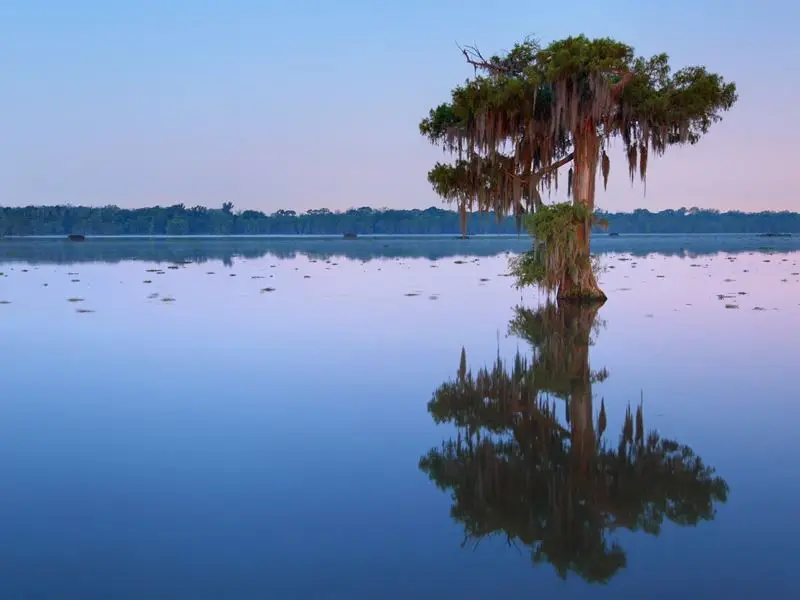
Bayou Country
Bayou Country is a region in Louisiana that is characterized by its winding waterways, cypress swamps, and scenic drives. The Bayou Country is a popular destination for kayaking, fishing, and wildlife viewing, and is known for its rich cultural heritage, including Cajun and Creole music, dance, and cuisine. The region is also home to several state parks and wildlife refuges, offering visitors the opportunity to explore the area's unique landscape and wildlife, including alligators, bald eagles, and hundreds of species of migratory birds.
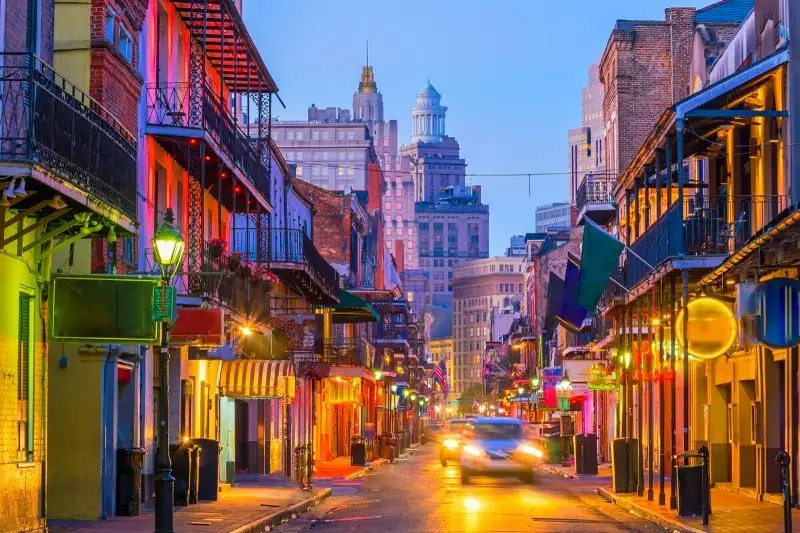
New Orleans French Quarter
The New Orleans French Quarter, also known as the Vieux Carré, is a historic neighborhood in New Orleans that is famous for its colonial architecture, street performers, and cuisine. The French Quarter is a must-visit destination for tourists visiting New Orleans, and is home to several iconic landmarks, including Bourbon Street, Jackson Square, and St. Louis Cathedral. The neighborhood is known for its vibrant nightlife, featuring live music, bars, and restaurants serving traditional Cajun and Creole cuisine. The French Quarter is also a hub for cultural events, including Mardi Gras, the French Quarter Festival, and the New Orleans Jazz & Heritage Festival.

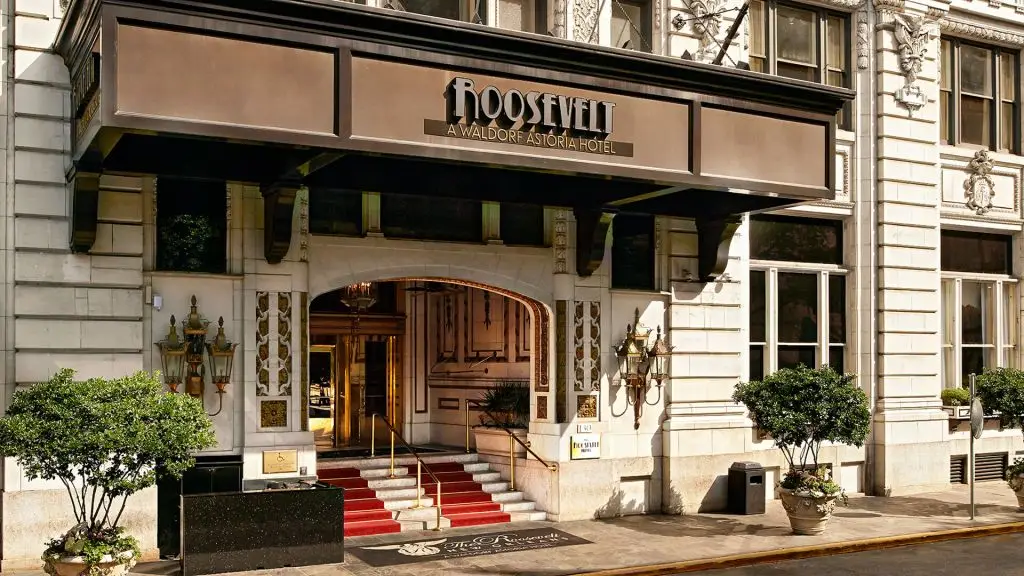
The Roosevelt New Orleans, A Waldorf Astoria Hotel
Located in the heart of New Orleans, this hotel offers luxury accommodations, including a rooftop pool, spa, and fine dining restaurants
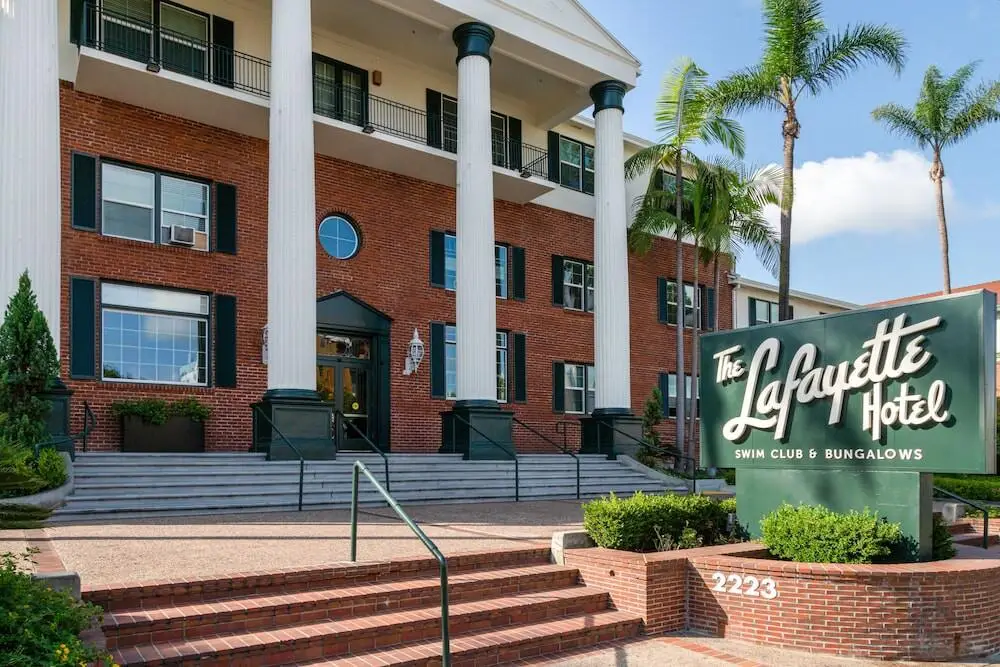
The Lafayette Hotel
Situated in the city of Lafayette, this hotel features a saltwater pool, a fitness center, and a on-site bar and restaurant.
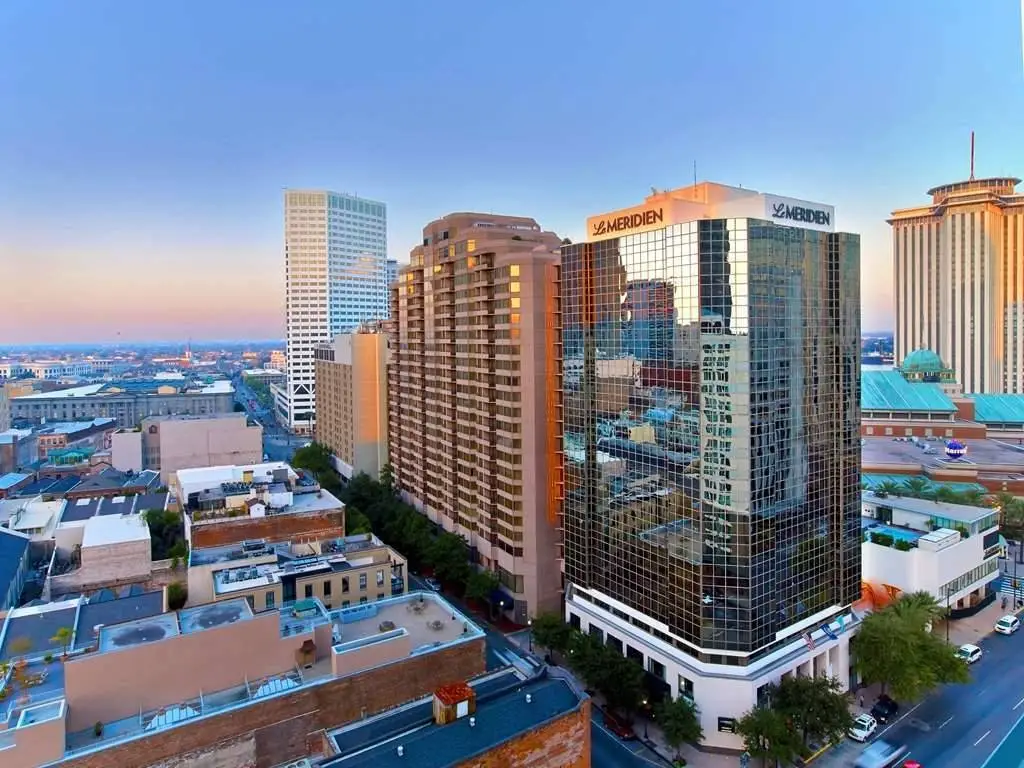
Le Meridien New Orleans
This hotel is located in the Warehouse District of New Orleans and offers a rooftop pool, a fitness center, and a restaurant serving Creole cuisine.
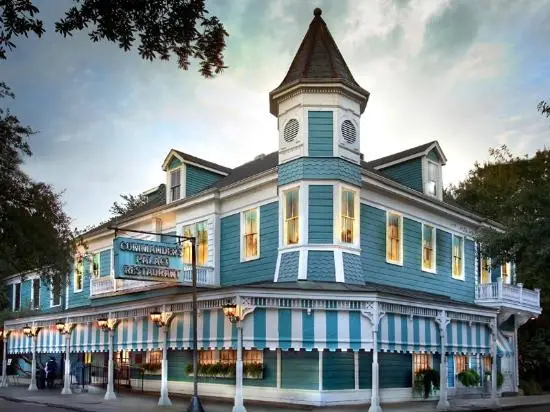
Commander's Palace
A New Orleans landmark known for its Creole cuisine and elegant ambiance.
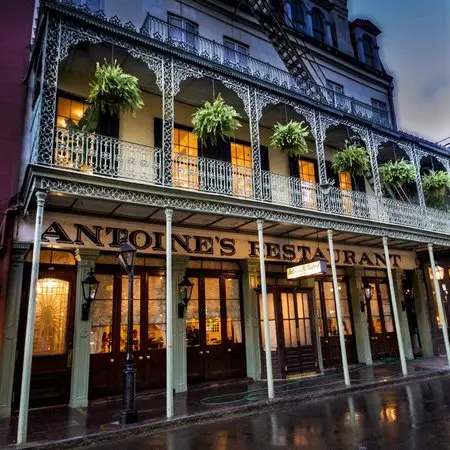
Antoine's Restaurant
Established in 1840, this restaurant is considered one of the oldest family-run restaurants in the US and serves classic Creole dishes.
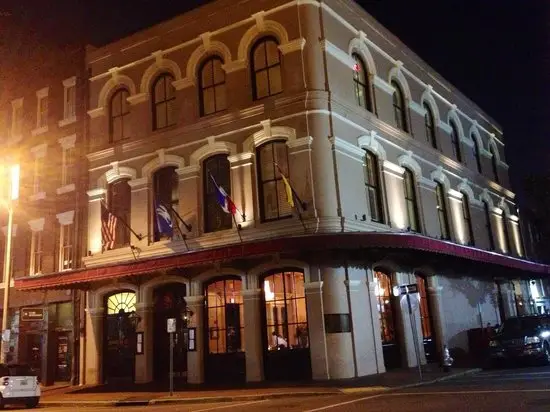
August restaurant new orleans
this restaurant serves contemporary Southern cuisine and has received accolades for its innovative menu and wine selection.