
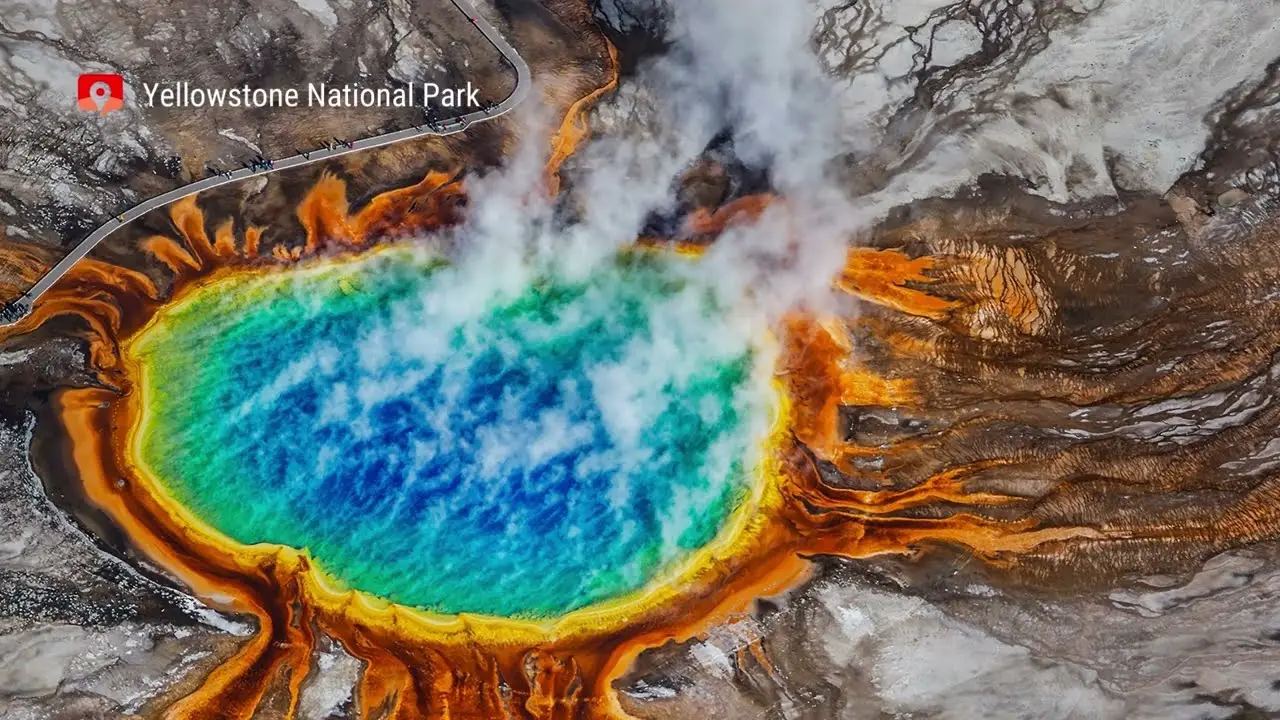
Yellowstone National Park
This iconic park is home to an incredibly diverse array of wildlife and geological wonders, including geysers, hot springs, and fumaroles, as well as stunning vistas, forests, and meadows. It's a must-visit destination for anyone interested in nature and outdoor recreation.
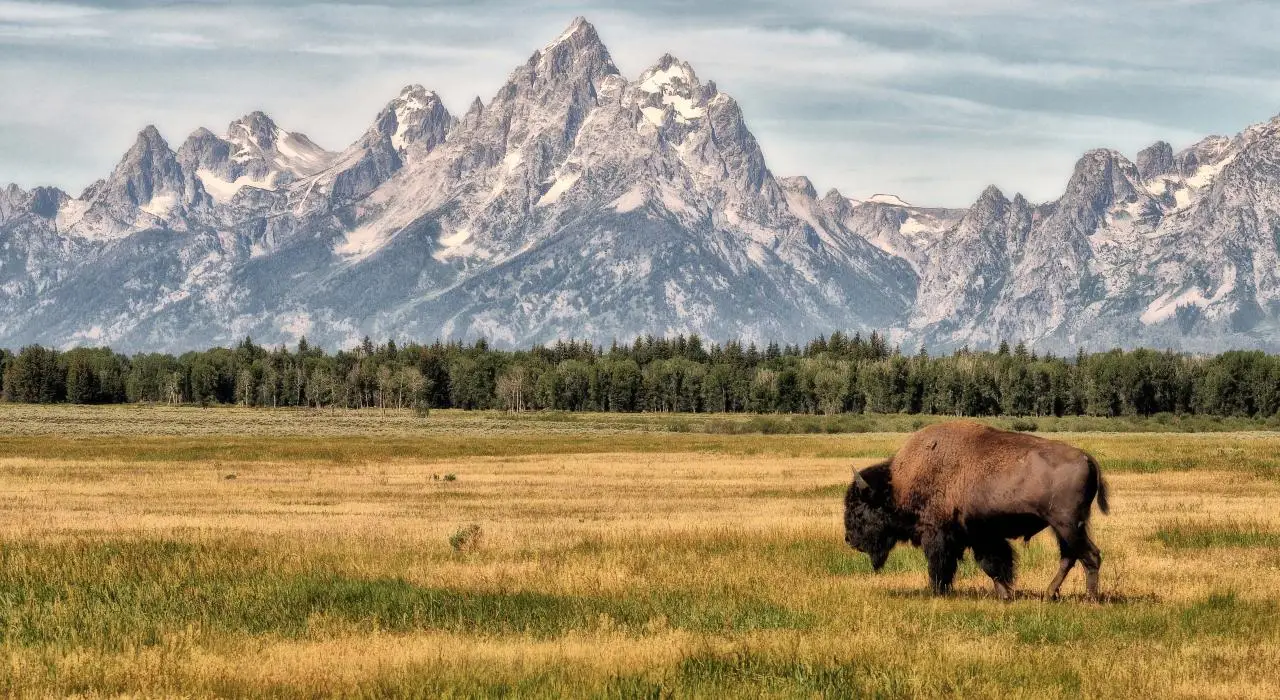
Grand Teton National Park
Set against the stunning backdrop of the Teton Mountain Range, this park offers breathtaking views and a wide range of outdoor recreational opportunities, including hiking, fishing, and wildlife watching. Whether you're a seasoned adventurer or simply looking for a peaceful retreat, Grand Teton is a must-visit destination.
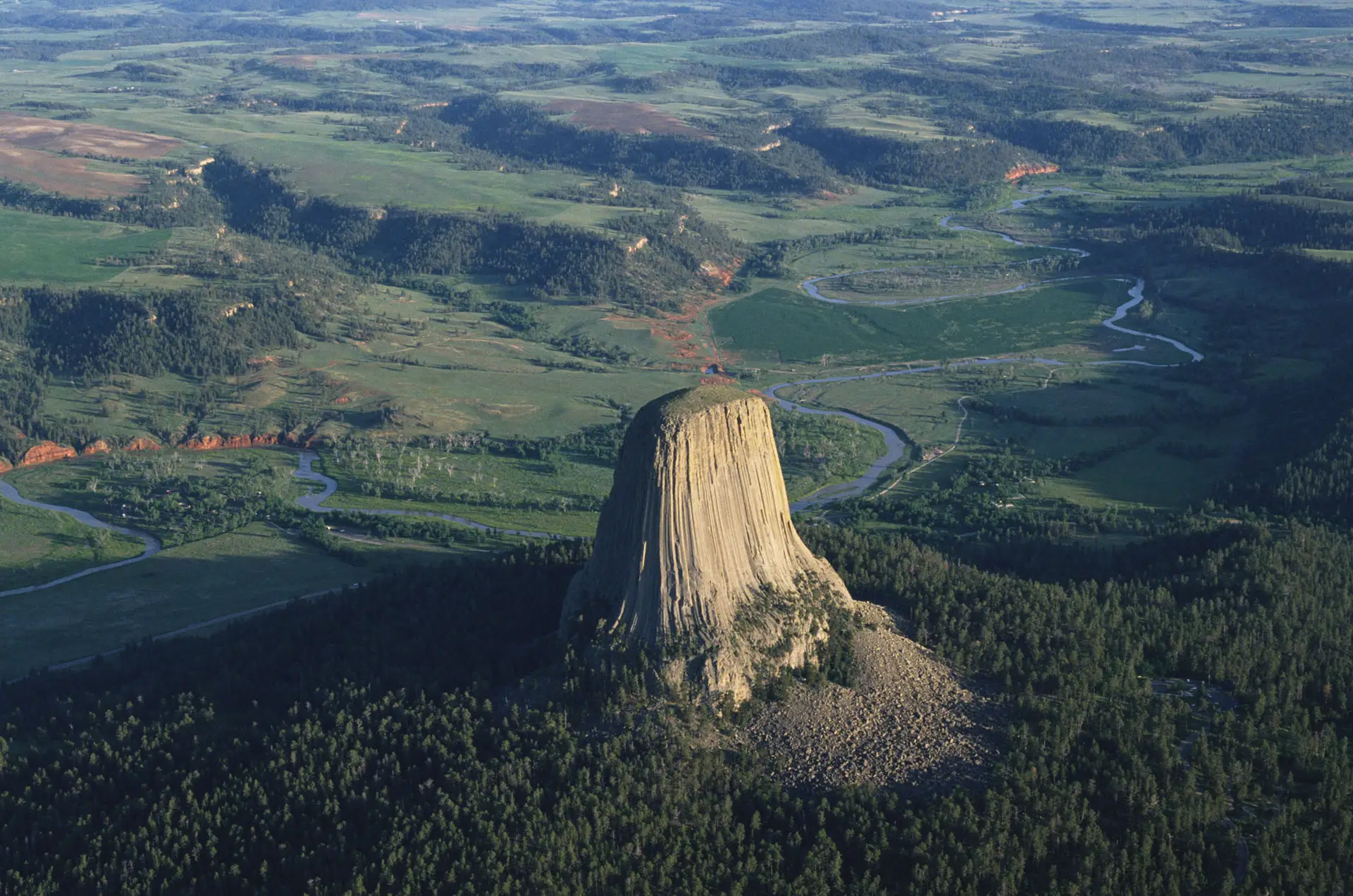
Devils Tower National Monument
This iconic rock formation is a popular destination for climbers and hikers, as well as those interested in Native American history and spirituality. Its nearly 1,267-foot height and unique appearance make it a truly awe-inspiring site, and its location in a pristine, remote area adds to its appeal.
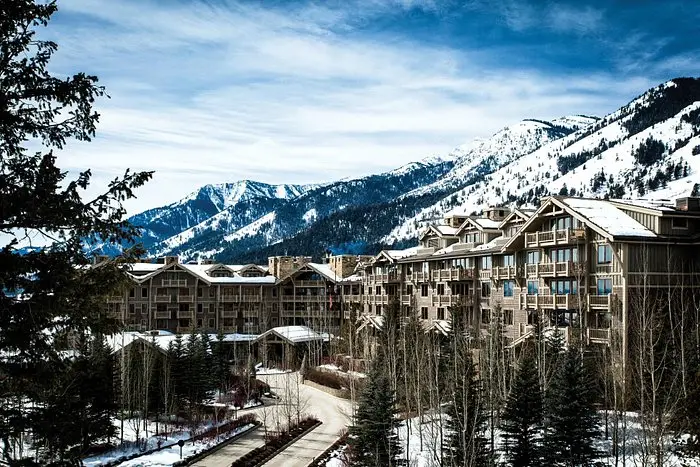
Four Seasons Resort Jackson Hole
A luxurious mountain resort located in the heart of Jackson Hole. It features spacious rooms, a full-service spa, and a range of dining options.
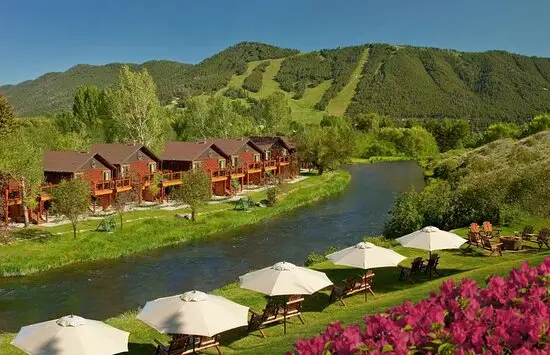
Rustic Inn Creekside Resort & Spa
A charming and rustic hotel located near the entrance of Grand Teton National Park. It offers cozy rooms, a hot tub, and a restaurant.
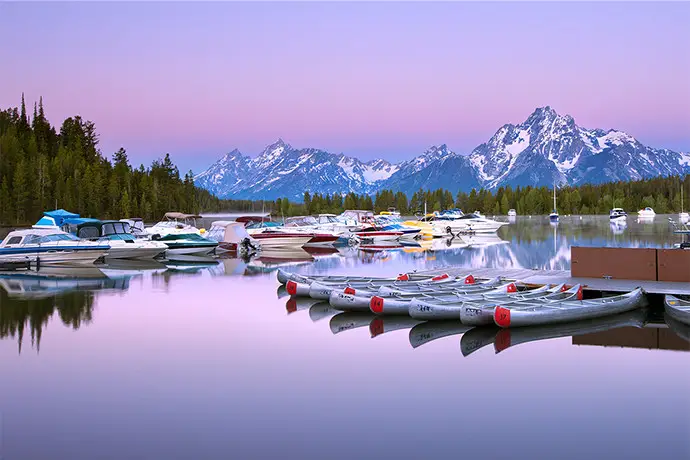
The Occidental Grand Teton Lodge
A historic lodge located within Grand Teton National Park. It features classic cabin-style rooms, a full-service restaurant, and stunning views of the Teton Mountains.
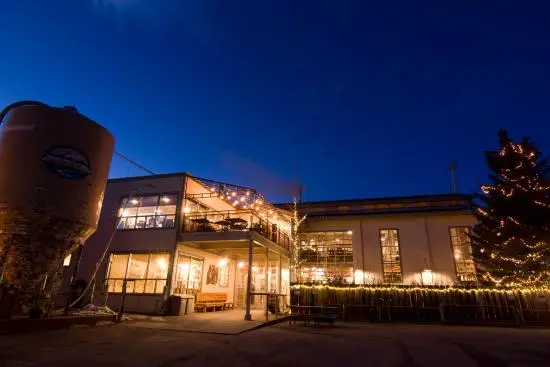
Snake River Brewing
A brewpub located in Jackson Hole, offering a selection of handcrafted beers and a menu of pub-style food.
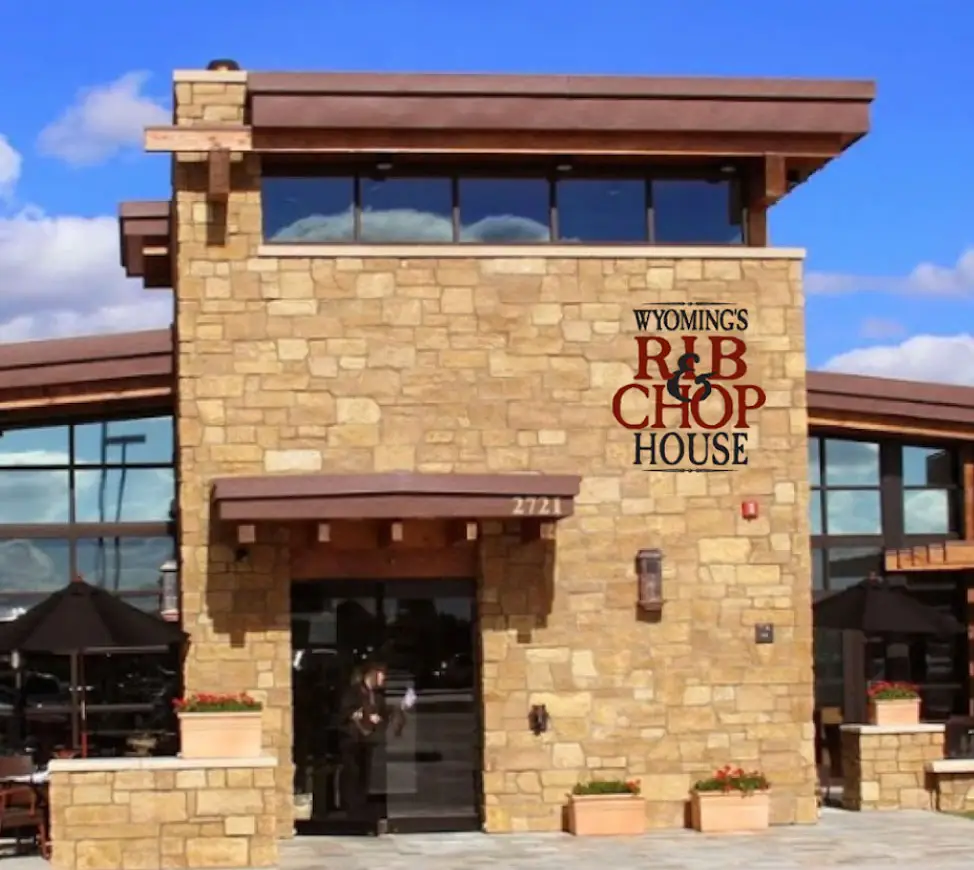
Rib & Chop House
A steakhouse chain with locations across Wyoming, serving up juicy cuts of meat, along with salads, sides, and cocktails.
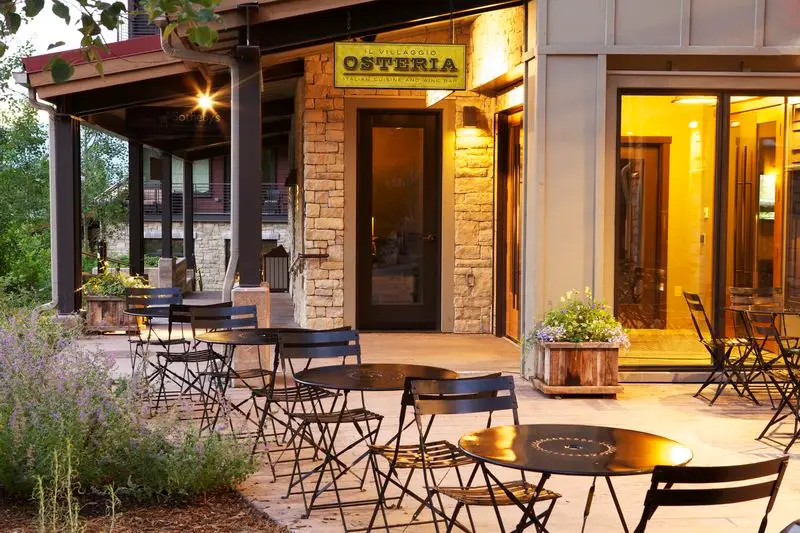
Il Villaggio Osteria
An Italian restaurant in Jackson Hole, serving classic dishes made with fresh, seasonal ingredients and paired with an extensive wine list.