

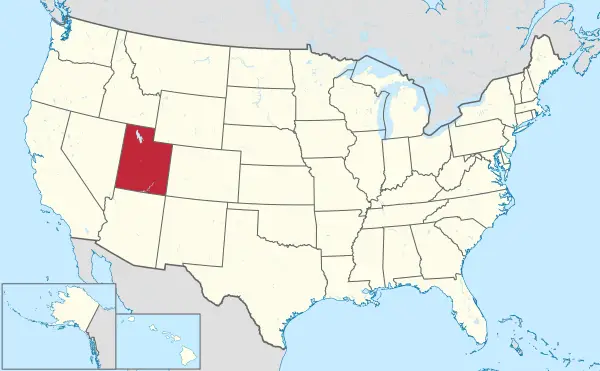

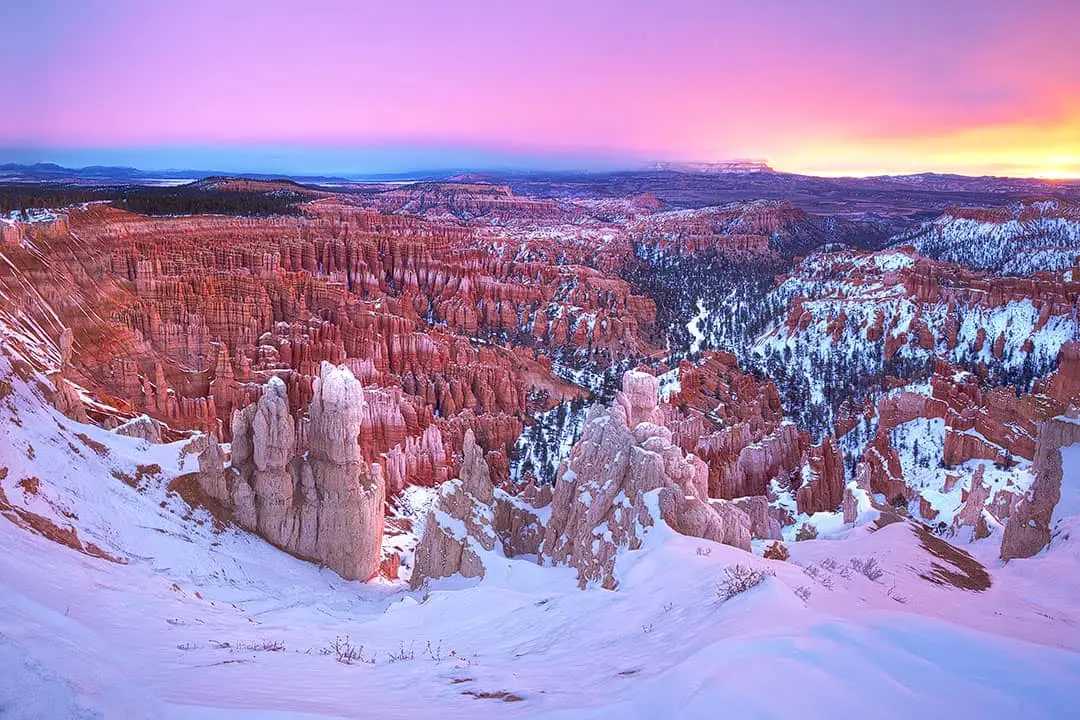
Bryce Canyon National Park
Bryce Canyon National Park is located in southwestern Utah and is famous for its unique hoodoos, towering rock formations made of red, orange, and white rock. The park offers breathtaking views and hiking trails that wind through the hoodoos and provide access to hidden valleys and amphitheaters. Visitors can take scenic drives, attend ranger-led programs, and explore the park's backcountry for a more immersive experience. Bryce Canyon is a must-visit destination for nature lovers, photographers, and anyone seeking to experience the natural beauty of the American West.
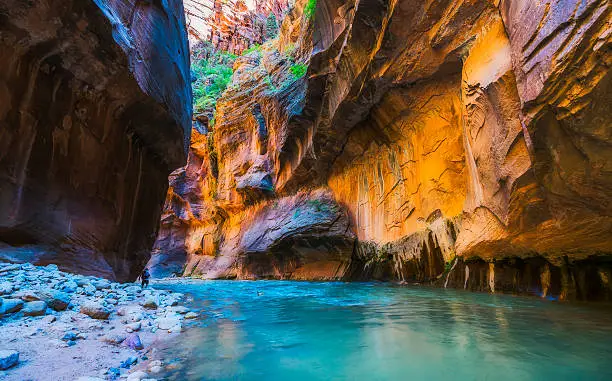
Zion National Park
Zion National Park is located in southwestern Utah and is known for its striking sandstone cliffs, deep canyons, and emerald pools. Visitors can hike the park's many trails, including the popular Angels Landing and Narrows trails, which offer breathtaking views of the landscape. Other popular activities include scenic drives, rock climbing, and river trips. Zion is a popular destination for outdoor enthusiasts and nature lovers and is considered one of the crown jewels of the National Park System. The park's unique combination of towering cliffs, narrow canyons, and abundant plant and animal life make it a must-visit destination.
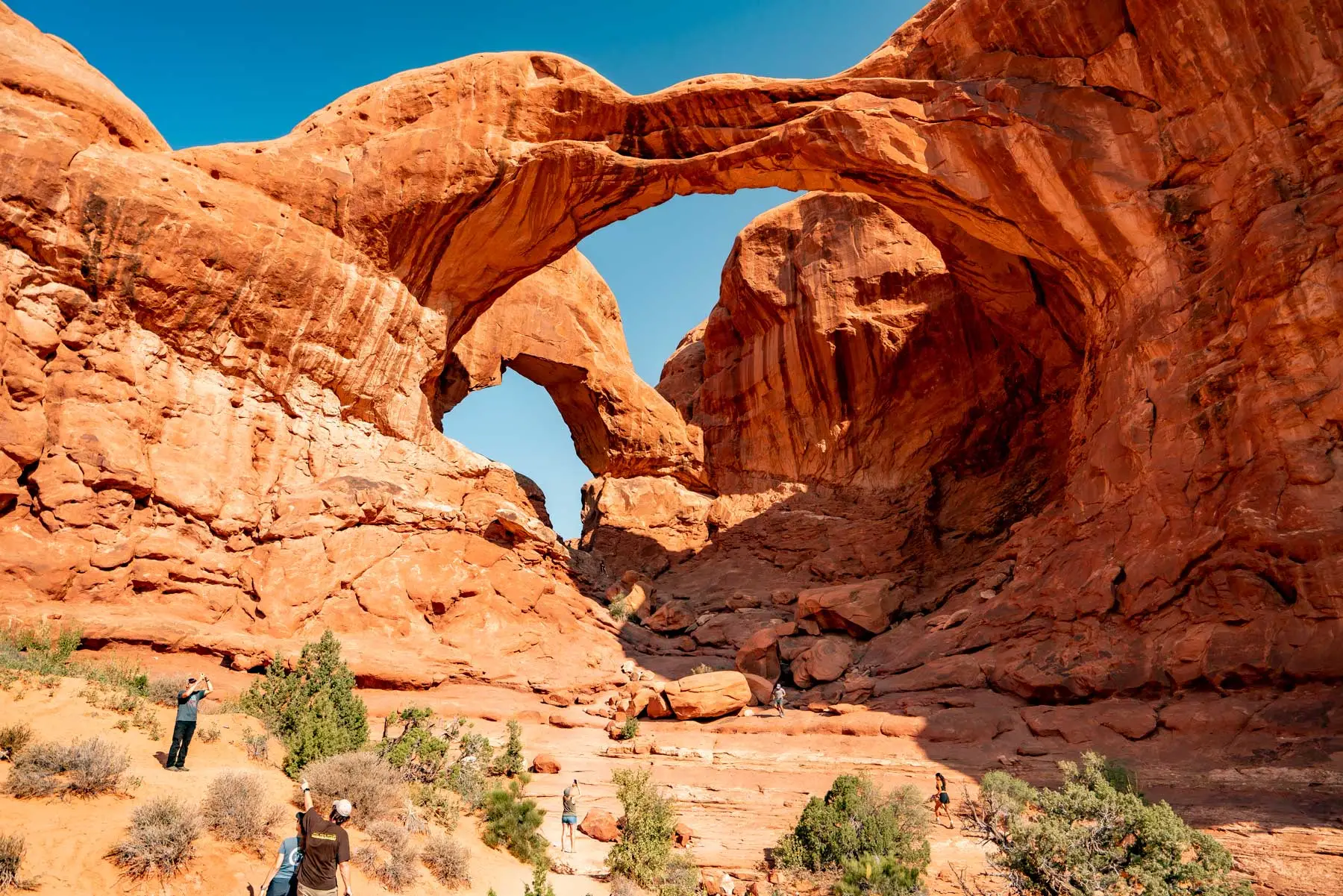
Arches National Park
Arches National Park is located in northeastern Utah and is home to over 2,000 natural sandstone arches. The park's iconic features, including the famous Delicate Arch, are the result of millions of years of erosion, weathering, and other geological processes. Visitors can hike the park's trails to see the arches up close, as well as take scenic drives to view the park's other geological wonders, such as spires, balanced rocks, and pinnacles. Arches National Park is a must-visit destination for anyone interested in geology, nature, and outdoor recreation. Its stunning scenery, easily accessible trails,

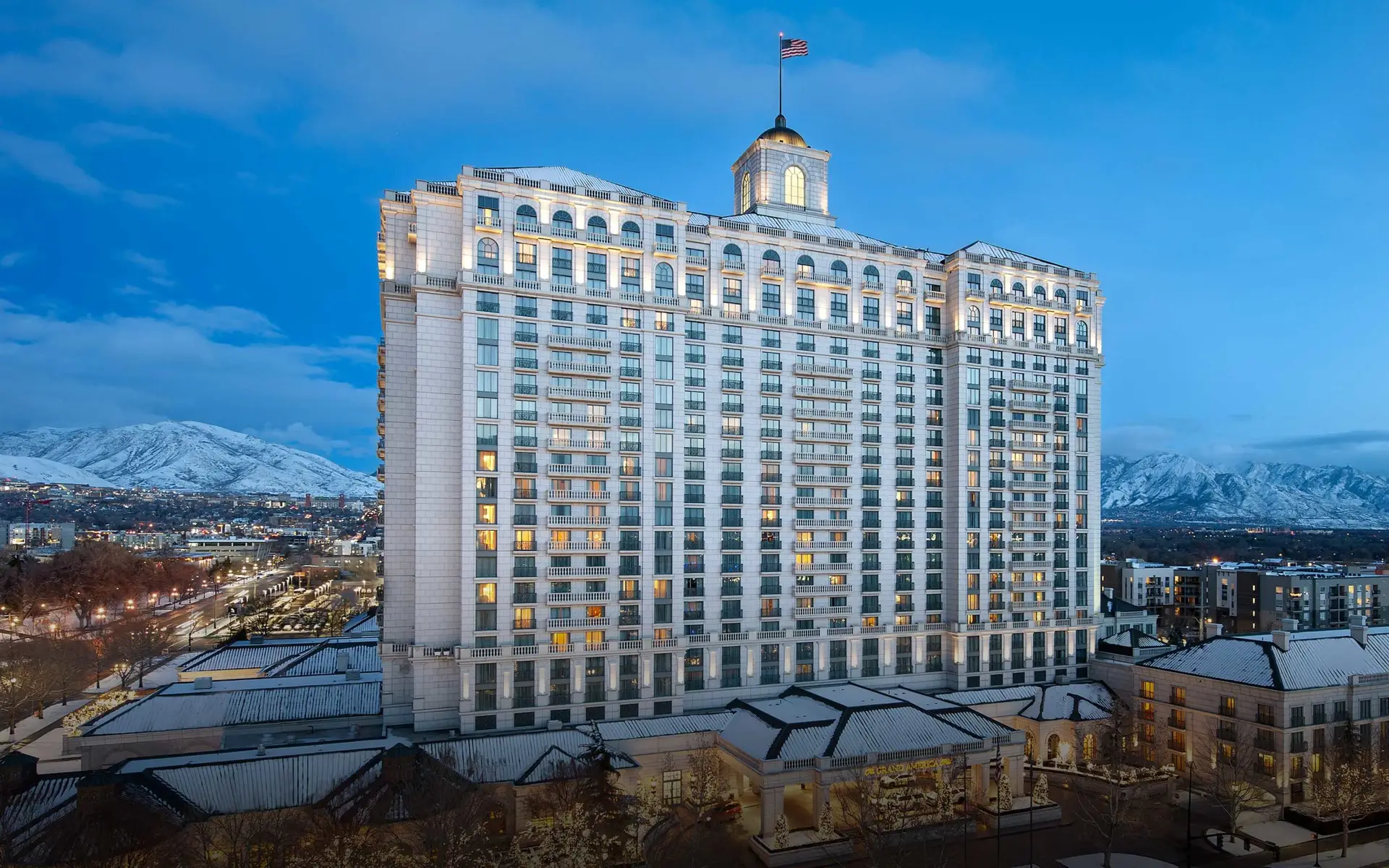
The Grand America Hotel
This luxury hotel is located in the heart of Salt Lake City and offers a luxurious and elegant stay with spacious rooms, excellent dining options, and a range of recreational amenities.
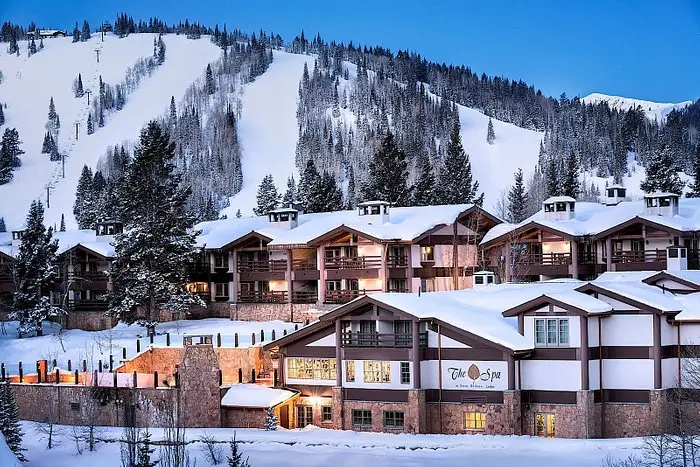
Stein Eriksen Lodge
This ski-in/ski-out resort is located in the mountains of Park City and offers a world-class ski experience, as well as a range of dining and spa options. The lodge's spacious rooms and suites feature elegant décor and provide stunning mountain views.
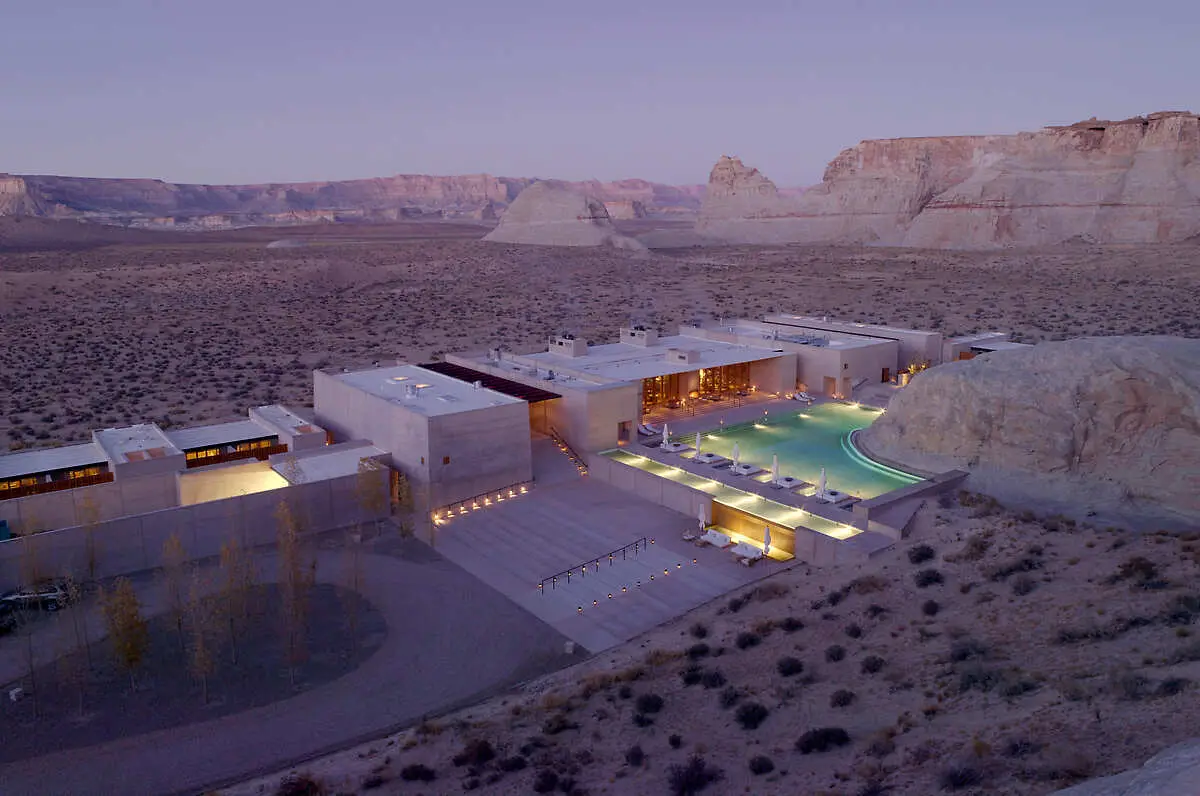
Amangiri Resort
This luxurious resort is located in the heart of Canyon Point and offers an unforgettable stay with spacious rooms, excellent dining options, and a range of recreational activities. The resort's serene setting and stunning views of the surrounding landscape make it an ideal destination for nature lovers and outdoor enthusiasts.

Forage
This farm-to-table restaurant is located in Salt Lake City and offers a menu that features locally sourced, seasonal ingredients. The restaurant is known for its creative and innovative dishes, as well as its relaxed and welcoming atmosphere.
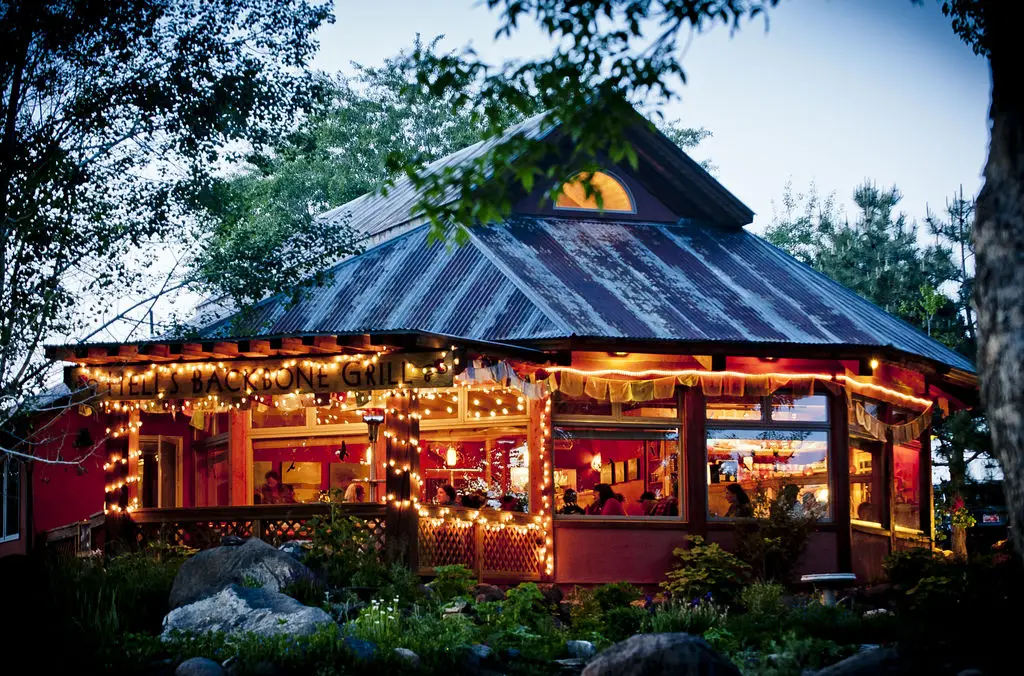
Hell's Backbone Grill
This unique restaurant is located in Boulder and offers a menu that features a blend of southwestern and farm-to-table cuisine. The restaurant is set in a stunning mountain setting and is known for its delicious food and friendly service.

Takashi
This sushi restaurant is located in Salt Lake City and is widely considered to be one of the best sushi restaurants in the state. The restaurant offers an extensive menu of traditional and contemporary sushi dishes, as well as a range of other Japanese-inspired cuisine. The restaurant is known for its exceptional food, elegant atmosphere, and friendly service.